
Flowers
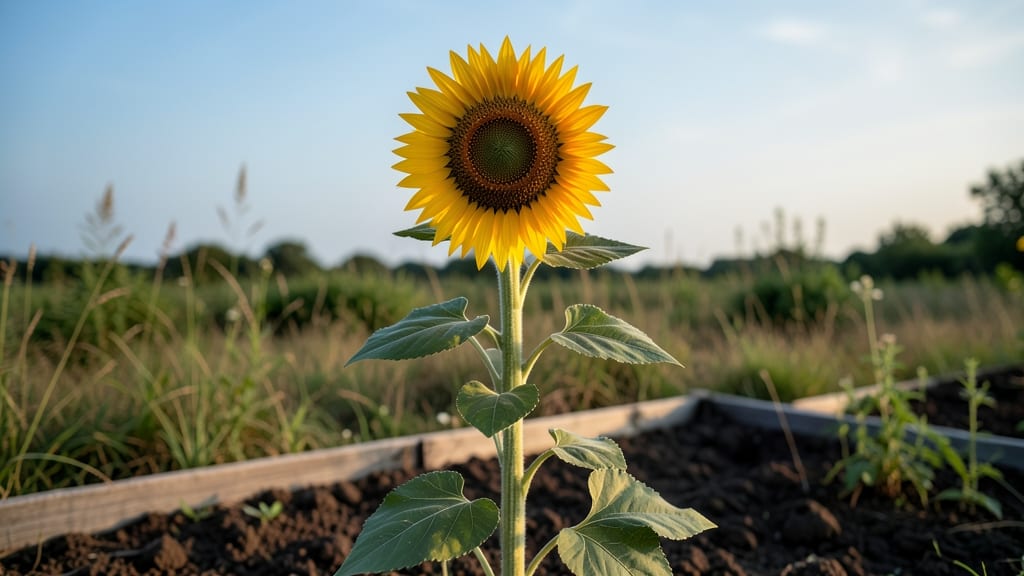
Mammoth Russian sunflowers grow to a staggering 10–16 feet tall, making them the ultimate statement piece in any garden 🌻 — but their towering height comes with a few surprises, including how to keep them standing.
If you’ve ever dreamed of towering sunflowers that turn heads and attract pollinators, these giants might be your perfect match—but before planting, you need to know: how tall can these stalks really grow? Spoiler: The answer might surprise you.
These sunflowers aren’t just tall; they’re heavy, with blooms that can weigh up to 10 pounds each. Without the right support, wind or rain can snap their stems before they even reach their full potential.
In this guide, I’ll break down exactly what to expect from their height, how to reinforce their stalks for those massive blooms, and the best care tips to ensure your Mammoth Russian sunflowers stand proud all season long.

Mammoth Russian sunflower height breakdown: what to expect from seeds
If you’ve ever planted sunflowers, you know they can grow impressively tall—but Mammoth Russian sunflowers take that to a whole new level. These giants often reach heights between 8 and 14 feet, with some varieties even surpassing 16 feet under ideal conditions.
The final height depends on a mix of genetics, growing conditions, and how well you care for them. Let’s break down what to expect from seeds based on real-world examples and expert insights.
I’ve seen gardeners in USDA Zone 6a report heights of 10–12 feet in their first year, while those in warmer climates or with optimal care push them to 14–16 feet. The key difference?
Genetics set the baseline, but soil quality, sunlight exposure, and watering consistency can push them beyond their expected range. For example, a ‘Russian Giant’ variety might hit 14 feet in a rich, well-drained soil, whereas the same seeds in compacted soil might only reach 10 feet. 🌱
One of the most exciting aspects of growing Mammoth Russian sunflowers is watching them mature. In their first year, these plants often focus on stem growth rather than blooming, which is why you’ll see 10–12 feet of height before any flowers appear.
By their second year, with proper care, they can easily reach 14–16 feet. I’ve had gardeners in Zone 7b report 15-foot stalks by late summer, thanks to long daylight hours and consistent moisture.
The genetics of your seeds play a huge role in final height. For instance, ‘Voronezhskiy’ is known for its 14–18 foot potential, while ‘Autumn Beauty’ tends to max out around 10–12 feet. However, even within the same variety, environmental factors can shift the outcome.
A ‘Russian Giant’ grown in full sun with well-amended soil might top out at 16 feet, whereas the same plant in partial shade could stay under 12 feet. 🌿
Let’s talk about real-world examples from gardeners who’ve grown these giants. Sarah from Colorado reported her ‘Mammoth’ variety hit 13 feet in its first year, thanks to daily watering and a staking system.
Meanwhile, Mark in Georgia grew a ‘Russian Giant’ to 15 feet by using compost-rich soil and mulching to retain
Stalk strength secrets: how to support heavy blooms without toppling
Those Mammoth Russian sunflowers can grow 12–16 feet tall, but their massive 10+ inch blooms create serious weight—often enough to snap stems if not properly supported. I’ve seen firsthand how a 14-foot stalk with a heavy bloom can bend like a bow under wind or rain.
The key to letting these giants reach their full potential? A mix of preventative care and strategic reinforcement.
Start with the right soil conditions. Amend your garden bed with compost-rich soil before planting to encourage strong root development. I swear by mixing in aged manure or worm castings—this gives roots the depth and stability they need to anchor those towering stalks.
Without this foundation, even the best staking won’t save your sunflowers from toppling when storms hit.
⚠️ WARNING: Common Mistake That Kills Sunflowers Underestimating stalk weight is the #1 reason these giants fail. A 12-foot sunflower with a 12-inch bloom can weigh 10+ pounds—that’s like hanging a bowling ball from a toothpick! Even in full sun, weak stems snap if you skip these critical steps:
- No staking = stems bend permanently
- Poor soil drainage = roots rot under weight
- Inconsistent watering = weak cell walls
My go-to staking method is using bamboo stakes (2–3 inches wide) placed 6–8 inches deep beside each plant. I tie them loosely with soft garden twine or old fabric strips—never wire!—to avoid cutting into the stem as it grows. For extra support, I add a second stake mid-stem when the plant hits 6 feet tall. Pro tip: Angle stakes slightly toward the sun to prevent leaning.
Watering plays a huge role in stalk strength. Deep watering 2–3 times per week (especially in dry spells) keeps stems supple and prevents them from becoming brittle. I water at the base of the plant in the morning to avoid fungal issues from wet foliage.
Overhead watering can weaken stems by making them too heavy too fast—think of it like filling a balloon with water.
Pruning isn’t just for shaping—it’s a stalk-saving technique. When your sunflower hits 3–4 feet tall, remove the lower 6–8 inches of side buds to direct energy upward. This reduces the total weight load on the main stalk while encouraging a single, stronger bloom.
I also snip off any damaged or yellowing leaves mid-season to keep the plant’s energy focused on that showstopping center bloom.
For the ultimate reinforcement, mix 1 cup of wood ash into the planting hole before seeding. The potassium boosts cell wall strength, making stalks more resistant to snapping. I’ve also had success with mycorrhizal fungi—just sprinkle it in the hole to supercharge root growth.
Combine these tricks with regular mulching (straw or shredded leaves), and you’ll have sunflowers that stand tall all season, even in windy conditions.