
How To
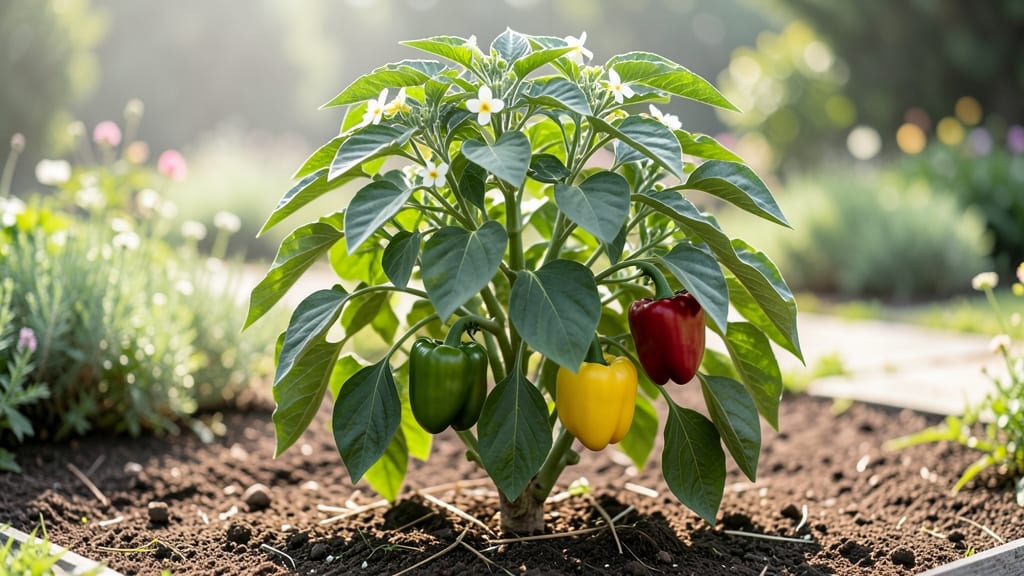
How tall do peppers grow can surprise even seasoned gardeners, ranging from waist-high bushes to towering plants that need trellises.
Wondering if your backyard—or even a sunny windowsill—can handle pepper plants? The height of pepper varieties ranges from tiny dwarf plants to towering giants, and knowing their growth habits is key to maximizing your harvest.
Some varieties, like the Snackable Baby Bella, stay under 2 feet, perfect for containers, while others, such as the Habanero, can reach 4 feet or more without support. The difference isn’t just about space—it’s about how you prune, train, and even where you plant them.
In this guide, I’ll break down the height ranges of popular peppers, how to choose the right variety for your space, and simple tricks to control their growth—so you can grow more peppers, no matter how small your garden.

Peppers by height: dwarf, compact, and giant varieties explained
When planning your pepper garden, one of the first questions I ask myself is: how tall do peppers grow? The answer varies dramatically—from 12-inch dwarf varieties perfect for windowsills to 6-foot giants that need sturdy trellises.
Understanding these height categories helps me choose varieties that fit my space while maximizing my harvest.
Pepper heights aren't just about aesthetics—they directly impact container choices, spacing needs, and even pruning requirements. A compact jalapeño might thrive in a 5-gallon pot, while a tall banana pepper could sprawl across your garden bed if left unchecked.
Let's break down the three main height categories and their best-growing conditions.
🌱 Summary Table: Pepper Heights by Variety
| Category | Height Range | Best Varieties | Container Needs | Spacing |
|---|---|---|---|---|
| Dwarf | 12-18" | 'Tiny Tim' bell, 'Mini Jalapeño', 'Thai Hot' | 3-5 gallon pots | 12" apart |
| Compact | 18-36" | 'Jupiter' bell, 'Apache' jalapeño, 'Lunchbox' habanero | 5-10 gallon pots | 18" apart |
| Standard | 36-48" | 'California Wonder', 'Carolina Reaper', 'Banana' | 10+ gallon pots or in-ground | 24" apart |
| Giant | 48-72+" | 'Mammoth' bell, 'Monster' banana, 'Bliss' habanero | In-ground with trellis | 36" apart |
Dwarf peppers like 'Tiny Tim' bell peppers are my go-to for small spaces or container gardening. These varieties stay under 18 inches tall and produce plenty of peppers despite their size. I've successfully grown them in 5-gallon fabric pots on my balcony, proving that height doesn't limit yield.
For compact varieties (18-36 inches), I recommend 'Jupiter' bell peppers or 'Apache' jalapeños. These work well in 10-gallon containers or garden beds with 18-inch spacing. The key with these is to prune regularly to encourage bushier growth and better air circulation, which prevents common diseases like powdery mildew.
When I plant standard-height peppers (36-48 inches), I always give them more space. Varieties like 'California Wonder' or 'Carolina Reaper' need 24-inch spacing in garden beds or 15-gallon containers. These plants benefit from cage supports or stakes to prevent them from toppling over when fruit-heavy.
Giant pepper varieties are the showstoppers of my garden—'Mammoth' bell peppers can reach 6 feet or taller! These need in-ground planting with trellis support and 36-inch spacing.
I've found that pruning the lower branches helps direct energy upward and makes harvesting easier. Just be prepared for heavy fruit loads that may require additional staking.
One factor that affects pepper height is pruning habits. I always prune suckers (the shoots that grow in the leaf axils) on my taller varieties to control height and improve airflow.
For dwarf varieties, I focus on removing spent flowers to encourage more fruiting rather than vertical growth. This simple technique can reduce height by 20-30% in some cases.
Sunlight also plays a crucial role in pepper height. All varieties need 6-8 hours of direct sun, but taller peppers often grow more aggressively in full sun.
If you notice your plants stretching toward the light, it's a sign of etiolation, which makes stems weak and prone to breaking. I've solved this by rotating containers regularly or adding grow lights for indoor plants.
Container size matters more than you might think. A
Space planning for pepper gardens: containers vs. in-ground planting
Choosing the right planting method for your pepper varieties depends entirely on their mature height and growth habits. Dwarf varieties like 'Tiny Tim' bell peppers thrive in 5-gallon containers, while tall varieties such as 'Carolina Reaper' need 6+ feet of vertical space or sturdy trellises.
The wrong setup can lead to poor airflow, stunted growth, or even disease. Let’s break down how to plan your space for maximum yield and plant health.
For container gardening, size matters more than you might think. A 1-gallon pot is perfect for bush varieties like 'Snackable' peppers, but tall, indeterminate types need at least 15-gallon containers to support their root systems.
In-ground planting, meanwhile, allows roots to spread freely, but spacing requirements vary dramatically—12 inches apart for dwarf peppers vs. 24+ inches for towering giants.
| Variety Type | Mature Height | Container Size | In-Ground Spacing | Support Needed |
|---|---|---|---|---|
| Dwarf (e.g., 'Tiny Tim') | 12-18 inches | 5-gallon pot | 12 inches apart | None |
| Compact (e.g., 'Jalapeño M') | 24-36 inches | 10-15 gallons | 18 inches apart | Optional stakes |
| Standard (e.g., 'Bell Pepper') | 36-48 inches | 15+ gallons | 24 inches apart | Sturdy cages |
| Tall (e.g., 'Carolina Reaper') | 48-72 inches | 20+ gallons | 36 inches apart | Trellis required |
When growing tall pepper varieties in containers, trellising is non-negotiable. Use bamboo stakes or tomato cages to guide vines upward, which also improves air circulation and reduces disease risk. For in-ground planting, mulch heavily around the base to retain moisture and prevent soil-borne pathogens from splashing onto leaves.
I’ve found that black plastic mulch works wonders for heat-loving peppers like habaneros.
Don’t overlook the sunlight requirements when planning your layout. Tall varieties cast significant shade, so place them on the north side of your garden (in the Northern Hemisphere) to avoid blocking sunlight for shorter plants.
If space is limited, consider vertical gardening—hanging pots or wall-mounted planters can free up valuable ground space while keeping peppers within reach for harvesting.
One of my biggest mistakes was crowding indeterminate peppers too closely, which led to fungal issues from poor airflow. Now, I always follow the spacing guidelines and prune lower branches to encourage upward growth.
For container growers, choose self-watering pots to prevent root rot—a common problem when soil stays too wet. A 5-gallon fabric pot with drainage holes is my go-to for dwarf varieties.
Remember, pepper height isn’t set in stone—pruning and training can influence it. Regularly pinch off sucker leaves (the small leaves that grow where stems meet) to encourage a bushier, more productive plant.
For tall varieties, focus on vertical growth by tying vines to supports as they grow. With the right setup, even small balconies can yield a bountiful pepper harvest! 🌱