
Light Requirements
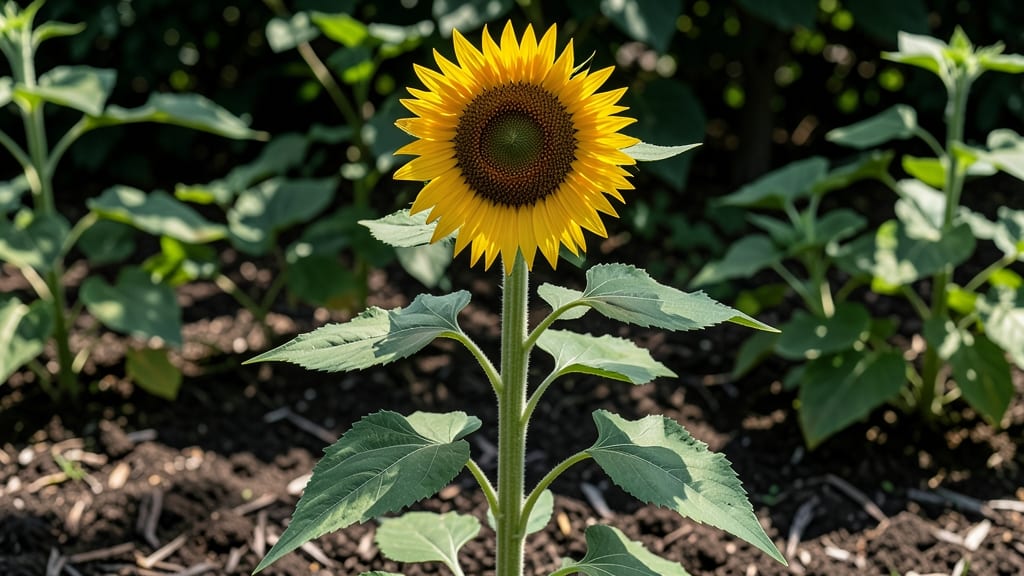
Sunflowers thrive best when you meet their sunflower sunlight requirements—they need at least 6 hours of direct sunlight daily to grow tall, vibrant, and full of life 🌻 — anything less, and you’ll miss out on those iconic towering blooms.
Picture this: you’ve just planted your sunflower seeds, full of excitement for the summer show they’ll put on. But by mid-season, your stalks are stretching thin, leaves are pale, and the blooms? Tiny and lackluster. That’s the sunlight shortfall talking — and it’s a common mistake even experienced gardeners make.
Sunflowers thrive in full sun, but not all gardens offer equal exposure. Whether you’re working with a backyard plot, balcony containers, or even a sunny windowsill, understanding their sunlight needs is the key to unlocking healthy growth and stunning blooms.
In this guide, I’ll break down exactly how much light sunflowers need, how to spot when they’re not getting enough, and even what to do if your space is less than ideal. Let’s get those sunflowers soaking up the rays!

How many hours of sunlight do sunflowers need for optimal growth?
Sunflowers thrive under full sun exposure, but their exact needs vary by variety. While most sunflowers demand at least 6 hours of direct sunlight daily, some dwarf varieties can tolerate slightly less.
The key is understanding how sunlight impacts their photosynthesis efficiency and bloom development. Too little light leads to weak stems and small flowers, while too much can stress plants in extreme heat.
Different sunflower types have unique sunlight tolerances. Giant varieties like 'Mammoth' need 8+ hours of sun to reach their full 12-14 foot height. Dwarf varieties like 'Teddy Bear' can thrive with 6-7 hours, making them better for containers or small gardens.
Even the stem structure (single vs. multi-stem) affects sunlight needs—multi-stemmed types may require slightly more light to support multiple blooms.
To calculate sunlight exposure in your garden, observe the sun path throughout the day. Use a sunlight tracker app or place a white board where you plan to plant—mark the shaded areas every hour.
Most gardens receive peak sunlight between 10 AM and 4 PM, so prioritize south-facing spots in the Northern Hemisphere. Even a few hours of morning shade can reduce overall light exposure significantly.
| Variety Type | Minimum Sunlight (Hours/Day) | Ideal Sunlight (Hours/Day) | Mature Height | Bloom Size |
|---|---|---|---|---|
| Giant (e.g., 'Mammoth') | 8+ | 10-12 | 10-14 ft | 12-16" |
| Standard (e.g., 'Autumn Beauty') | 6-7 | 8-10 | 5-9 ft | 8-12" |
| Dwarf (e.g., 'Teddy Bear') | 5-6 | 6-8 | 1-3 ft | 4-6" |
| Multi-Stem (e.g., 'ProCut') | 7+ | 9-11 | 3-5 ft (multiple stems) | 6-8" |
The photosynthesis threshold for sunflowers sits at 6 hours of direct light, but this is the bare minimum. Below this, plants struggle to produce chlorophyll efficiently, leading to etiolation—those stretched, weak stems you’ve likely seen.
For optimal growth, aim for 8-10 hours of sunlight, especially for giant varieties. This ensures robust stems, larger blooms, and higher seed production. Think of sunlight as their primary energy source—just like how we need food to grow, sunflowers need light to thrive.
Seasonal adjustments matter too. In summer months, sunflowers can handle 12+ hours of sunlight if given proper water and shade cloth during peak heat (12-3 PM). In spring or fall, when days are shorter, supplement with a reflective mulch or white garden markers to maximize light exposure.
My personal trick? Plant sunflowers near light-colored walls or fences—they reflect extra sunlight back onto the plants, boosting growth by up to 20%.
For container gardening, choose dwarf varieties and place pots in south-facing spots or on patio railings that get full sun. Rotate containers every few days to ensure even light exposure on all sides.
If your balcony only gets 4-5 hours of sun, consider grow lights (LED full-spectrum bulbs work best) for 4-6 hours daily. Just avoid placing sunflowers near west-facing windows—the intense afternoon sun can scorch leaves quickly.
One common misconception is that sunflowers can "make do" with partial shade. While they might survive with 4-5 hours of sun, their growth will be stunted, and blooms will be half the expected size.
For example, a 'Mammoth' sunflower might only reach 6 feet tall instead of its potential 12 feet. If you’re working with limited sunlight, opt for shade-tolerant annuals like zinnias or marigolds to complement your sunflower display without compromising their needs.
To test your garden’s sunlight, try this simple experiment: Place a white piece of paper in your planting spot for a full
Signs your sunflowers aren’t getting enough sunlight (and how to fix it)
If your sunflowers look more like sad, stretched-out twigs than the bold, cheerful giants you planted, your light conditions might be the culprit. Sunflowers are sun worshippers, and when they don’t get enough, they’ll stretch dramatically toward any available light—a condition called etiolation.
This weakens their stems and delays blooming, leaving you with underwhelming results instead of towering, golden displays.
Even if your garden gets plenty of sunlight, seasonal shifts or nearby structures can create unexpected shade.
For example, trees that were bare in spring may cast shadows in summer, or a new fence could block morning rays. Northern climates often have shorter daylight hours, while southern gardens might still face issues if plants are crowded or surrounded by taller neighbors.
⚠️ Sunlight Crisis Alert!
Sunflowers need 6+ hours of direct sunlight daily. Without it, they’ll show these warning signs:
- Leggy stems (stretching toward light)
- Small, pale blooms (or no flowers at all)
- Weak, floppy growth (prone to falling over)
- Delayed flowering (taking much longer to bloom)
One of the first signs your sunflowers are light-deprived is their stem elongation. Healthy sunflowers grow straight and sturdy, but when starved for light, they’ll stretch 2-3 times taller than normal while becoming thin and weak.
Check your plants’ height—if they’re already 6 feet tall with no blooms, they’re likely reaching for light instead of growing strong.
Another red flag is small, underdeveloped blooms. Sunflowers need full sun to produce large, vibrant flowers. If yours are tiny, green-tinged, or never fully open, they’re not getting enough light.
Even worse, they might bolt prematurely—producing seeds before the flower matures, leaving you with a sad, shriveled bloom instead of a showstopper.
For northern gardens, where summer daylight is shorter, consider supplemental grow lights (LED full-spectrum bulbs work best) for 4-6 hours daily during cloudy periods. In southern climates, focus on morning sun exposure, as afternoon shade can still cause issues.
If your garden has partial shade, try reflective mulch (like white gravel or aluminum foil) to bounce extra light onto the plants.
Move your sunflowers to a sunnier spot immediately—even a few extra hours of light can make a dramatic difference. If relocating isn’t an option, thin out nearby plants to reduce competition for sunlight.
And remember: patience is key. Once they get the light they need, your sunflowers will rebound quickly, often blooming within 2-3 weeks of proper care.