
Planting
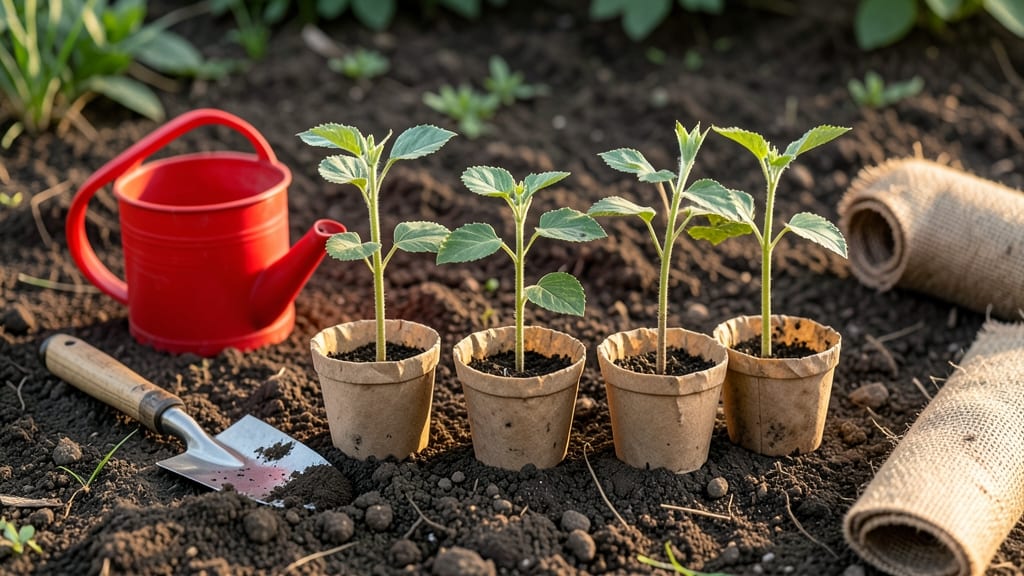
Transplanting sunflower seeds at the right time ensures your 🌻 towering blooms thrive instead of struggling—soil warmth and your hardiness zone are the key.
Picture this: you’ve nurtured your seedlings indoors, only to watch them wilt after transplanting too soon. That’s why timing matters—waiting for soil to hit at least 50°F (10°C) is non-negotiable, or you risk stunted growth.
In Zone 6a, like most of the U.S., aim for late April to early May, after the last frost. Coastal areas can transplant earlier, while inland zones may need to wait until June to avoid heat stress.
Below, I’ll break down soil temperature tests, zone-specific windows, and how to tell when your seedlings are truly ready—so you can skip the guesswork and grow sunflowers that reach their full potential.


Ideal soil temperature for transplanting sunflower seeds
Sunflowers are warm-season plants that thrive when soil temperatures rise, but transplanting too early can stunt their growth. The minimum safe soil temperature for sunflower seedlings is 50°F to 60°F, though they perform best when soil reaches 65°F or warmer.
At cooler temperatures, roots struggle to establish, leading to weak stems and poor flowering. Understanding this range helps you avoid common mistakes like transplanting after a late frost or when soil is still chilly from winter.
Soil warmth is more critical than air temperature because roots absorb heat directly from the earth. For example, in USDA Zone 5, you might see air temperatures in the 60s°F while soil remains below 55°F—this discrepancy can shock seedlings.
Always prioritize soil temperature over air temperature when deciding transplant timing. A simple soil thermometer (or even a DIY finger test) can save your seedlings from transplant shock.
🌱
| Soil Temperature Range | Transplant Readiness | Risk Level | Action Required |
|---|---|---|---|
| Below 50°F | Not ready | High (root rot, stunted growth) | Wait 1-2 weeks or use row covers |
| 50°F–60°F | Marginally ready | Moderate (slow growth) | Transplant in morning, mulch heavily |
| 60°F–65°F | Ready | Low (optimal growth) | Proceed with transplanting |
| Above 65°F | Ideal | None (fast establishment) | Best time to transplant |
Testing soil temperature is simpler than you think. A soil thermometer (available for under $10) gives precise readings, but if you don’t have one, the finger test works surprisingly well.
Push your finger about 2 inches deep into the soil—if it feels cooler than your wrist but not icy, the soil is likely in the 50°F–60°F range. For warmer soil (ideal for sunflowers), it should feel comfortably warm, like a lukewarm bath.
This method is especially useful for gardeners in cooler climates like Zones 3–5.
Another trick is to monitor nearby lawn or garden plants. If clover or dandelions are already sprouting vigorously, your soil is likely warm enough. Conversely, if cool-season crops like peas or lettuce are bolting (flowering prematurely), your soil may be warming too quickly—time to transplant!
Pay attention to these natural indicators to sync with your sunflowers’ needs.
🌡️
If you’re transplanting in containers or raised beds, soil warms up faster than in-ground soil. This means you can transplant 1–2 weeks earlier in these environments.
For example, in USDA Zone 7, in-ground soil might hit 60°F in late April, while a raised bed could reach the same temperature by mid-April. Always adjust your timeline based on your specific growing setup.
Black plastic mulch can also accelerate soil warming by 5–10°F, making it a great tool for extending your transplant window.
One common mistake is assuming that air temperature reflects soil temperature. In spring, air can feel warm (e.g., 70°F) while soil remains chilly (50°F).
To avoid this, check soil temperature at the same time every day, ideally in the late afternoon when soil has absorbed the most heat. Consistency in timing helps you track trends accurately.
For instance, if your soil hits 55°F for 3 consecutive days, it’s a good sign your sunflowers are ready.
For gardeners in warmer climates (Zones 8–10), the challenge shifts to avoiding heat stress. Soil temperatures above 85°F can damage young roots, so aim to transplant in early morning or late afternoon when soil is slightly cooler.
Providing light shade cloth for the first week can also help seedlings acclimate. In these zones, timing your transplant for spring rains (which cool the soil) can give your sunflowers a smoother start.
🪴
Finally, remember that soil type affects temperature. Sandy soil warms up faster than clay or loam, while organic-rich soil retains heat longer. Amending your soil with compost or aged manure before transplanting can improve warmth retention and provide nutrients for your sunflowers.
If your soil is slow to warm, consider planting sunflowers in a south-facing bed, where they’ll receive more direct sunlight and heat. This simple adjustment can make a 2–3 week difference in your transplant timing.
Best transplant timing by USDA hardiness Zones (with charts)
Sunflowers thrive when transplanted at the right moment—too early and frost will kill them, too late and they’ll struggle to establish before winter. Your USDA hardiness zone determines the perfect window, but coastal areas often have 2-4 week earlier transplant dates than inland regions due to milder microclimates.
For example, Zone 3 gardeners should wait until late May, while Zone 10 can start as early as February.
Always check your last frost date and wait until soil temperatures consistently reach 50°F (10°C)—use a soil thermometer for accuracy. Coastal zones like Zone 7b near San Francisco may transplant 3 weeks earlier than inland Zone 7b in Kansas because of ocean temperature moderation.
Inland areas with hotter summers can transplant slightly later, but avoid July heat for seedlings.
Key rule: Transplant after your average last frost date but before summer heat stress hits. For Zones 4-6, aim for mid-May to early June, while Zones 8-10 can start as early as February-March. Always harden off seedlings for 5-7 days before transplanting to prevent shock.
If you’re in a coastal zone, like Zone 7b in Oregon, you can transplant 3-4 weeks earlier than inland areas because ocean breezes delay frost and moderate soil temperatures. Inland Zone 7b in Texas, however, may need to wait until mid-May due to hotter, drier conditions.
Always monitor local weather forecasts—unpredictable late frosts can still occur even in mild zones.
For container gardening, transplant timing shifts slightly—you can start 2 weeks earlier since pots warm up faster. Use black containers to absorb heat if your zone has slow-warming soils.
In Zones 3-5, consider using row covers for an extra 2-week extension of your transplant window by protecting seedlings from late frosts.
Remember: Sunflowers hate soggy soil. If your zone has wet springs (like Pacific Northwest Zones 7-8), wait until the ground is dry enough to crumble before transplanting. In arid zones (like Zone 9 in Arizona), prioritize evening transplanting to reduce water loss during the day.