
Flowers
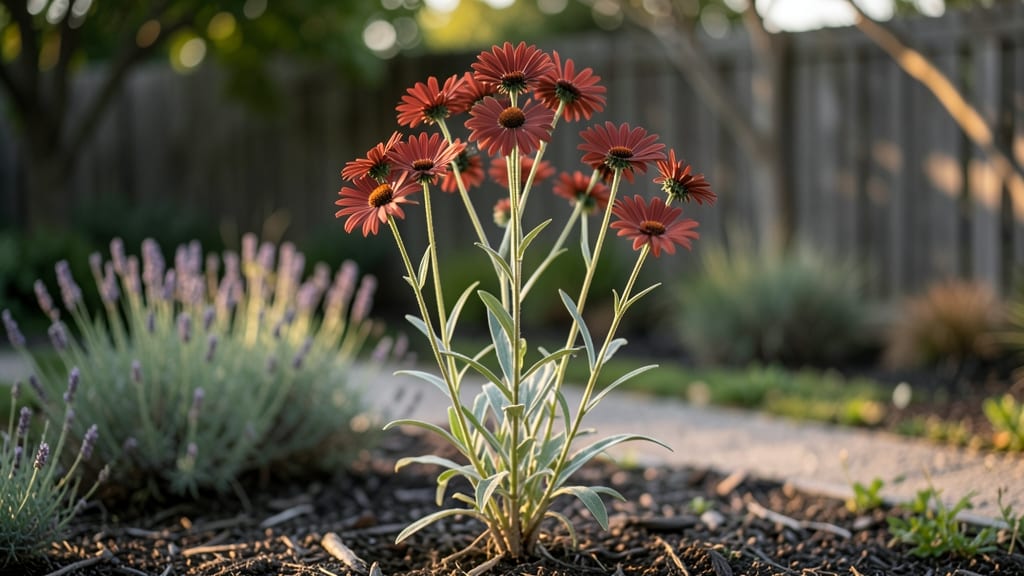
Strawflowers grow anywhere from 1 to 4 feet tall, depending on the variety and growing conditions — a range that makes them incredibly versatile for gardeners.
Imagine a border that stays neat and tidy with dwarf varieties like 'Dwarf Red' at just 12 inches, while 'Moonbeam' or 'Limelight' reach 3 feet or more, creating dramatic height in mixed plantings. That flexibility is why they’re a favorite for both cut flowers and low-maintenance garden beds.
But here’s the catch: their height isn’t set in stone. Sunlight, soil, and pruning can push them taller or keep them compact. For example, a 'Mojave' strawflower 🌼 in full sun might stretch to 36 inches, while the same plant in partial shade could stay under 2 feet.
Getting the spacing right saves you from overcrowded blooms later.
In this guide, I’ll break down exact heights by variety, share spacing tips for your garden layout, and reveal the simple tricks to control their growth—so you can plan your beds with confidence.

Strawflower height ranges by variety: compact vs. tall cultivars
Choosing the right strawflower variety depends entirely on your garden space and design goals. Some cultivars stay under 12 inches—perfect for window boxes and containers—while others reach 36 inches, making them ideal border plants.
Understanding these height differences helps you avoid overcrowding and creates stunning visual balance in your landscape.
Strawflowers (Helichrysum bracteatum) are incredibly versatile, with dwarf varieties thriving in tight spaces and tall cultivars adding drama to back-of-border plantings. Whether you're growing them for cut flowers or seasonal color, selecting the right height ensures your garden looks intentional from spring through fall.
If you're working with limited space, the 'Dwarf Red' variety is my go-to for containers and patio gardens. Its 12–18-inch height fits perfectly in 12-inch pots, while still delivering bold crimson blooms that last all summer.
For cut flower arrangements, I recommend 'Moonbeam' or 'White Lady'—their 15–28-inch stems hold up beautifully in vases and dry well for long-lasting bouquets.
For gardeners with larger borders, taller varieties like 'Orange King' and 'Mojave' create stunning vertical interest. These 24–36-inch cultivars thrive when planted in groups, adding seasonal height to mixed perennial beds. Their deep colors also provide excellent contrast against lighter foliage plants like lavender or salvia.
One common mistake I see is planting tall strawflowers too close together, which leads to overcrowding and reduced airflow. Always space 30–36-inch varieties at least 18–24 inches apart to prevent disease and encourage fuller growth. For dwarf types, maintain 12-inch spacing between plants to allow air circulation.
Pro tip: If you're growing strawflowers for cut flowers, choose varieties with longer stems like 'Orange King' or 'Limelight'. Their 24–30-inch height provides ample stem length for arrangements, while still being manageable in most garden settings.
For dried flower arrangements, all varieties work well, but taller ones create more dramatic displays.
Remember that sunlight exposure can slightly affect height—plants in full sun may grow 10–15% taller than those in partial shade. If you're in a cooler climate, consider starting seeds indoors to give your strawflowers a head start, which can also influence their mature height.
For urban gardeners with balconies or rooftops, I recommend 'Dwarf Red' or 'Moonbeam'—their compact stature makes them ideal for small-space gardening. Even in 5-gallon containers, these varieties will thrive and produce abundant blo
How strawflower height affects garden design and spacing
Strawflowers (Helichrysum bracteatum) grow between 12 inches and 4 feet tall, depending on the variety and growing conditions. Their height directly impacts where you plant them—whether in containers, mixed borders, or cut flower gardens.
Taller varieties like 'Orange King' (36 inches) make stunning backdrops, while dwarf types like 'Dwarf Red' (12 inches) thrive in pots and window boxes. Understanding these height differences helps you create balanced, visually appealing designs while ensuring proper airflow and sunlight access.
Proper spacing is critical for strawflowers because their woody stems and papery blooms need room to breathe. Crowding leads to fungal diseases and reduced flowering. For example, a 3-foot-tall strawflower should have 18-24 inches between plants, while dwarf varieties can sit just 12 inches apart.
This spacing also prevents taller plants from shading shorter ones, which is especially important in mixed borders where sunlight exposure varies.
| Height Range | Best For | Spacing Needs | Sunlight Needs |
|---|---|---|---|
| 12-18 inches (Dwarf) | Containers, window boxes | 12 inches apart | Full sun (6+ hours) |
| 24-30 inches (Medium) | Mixed borders, front of beds | 18 inches apart | Full sun (6-8 hours) |
| 36-48 inches (Tall) | Back of borders, cut flowers | 24 inches apart | Full sun (8+ hours) |
When designing with strawflowers, their height also influences companion plant selection. Pair tall varieties like 'Moonbeam' (3 feet) with low-growing perennials such as lavender or salvia to create height contrast. For containers, mix dwarf strawflowers with trailing plants like sweet potato vine or calibrachoa to fill space without overcrowding.
Always place taller strawflowers at the back of beds to avoid blocking sunlight from shorter plants.
Seasonal pruning plays a key role in managing strawflower height and airflow. After the first blooming cycle, cut back stems by one-third to encourage bushier growth and prevent legginess. This is especially important for taller varieties, which can become top-heavy without support.
Prune in early spring to shape plants and remove dead blooms, ensuring they maintain their intended height for the season. Regular pruning also improves air circulation, reducing the risk of powdery mildew.
In container gardens, strawflower height affects pot size and drainage needs. Dwarf varieties thrive in 5-7 gallon containers with well-draining soil, while taller types require 10+ gallon pots to support their woody stems.
Always use pots with drainage holes and place containers where they’ll receive at least 6 hours of sunlight daily. For example, a 3-foot-tall strawflower in a container needs a pot 12-14 inches deep to prevent root binding and ensure stability.
Finally, consider strawflower height when planning for cut flower arrangements. Taller varieties like 'Limelight' (36 inches) produce longer stems, ideal for bouquets, while dwarf types offer shorter, compact blooms perfect for small arrangements.
To maximize stem length, deadhead spent blooms regularly and provide consistent sunlight. This encourages continuous flowering and longer stems for cutting, making strawflowers a versatile choice for both garden beds and floral displays.