
How To
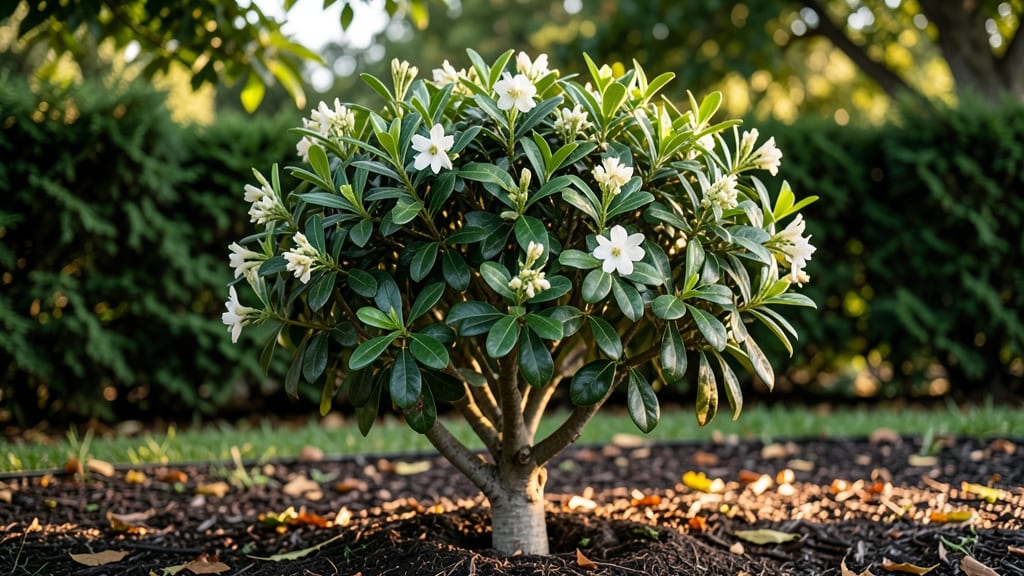
How tall do tea olives grow? They reach a mature height of 6 to 12 feet in ideal conditions, making them a versatile choice for both small and larger gardens.
If you’re eyeing a shrub that stays manageable but still delivers big on beauty and fragrance, you might be surprised to learn that tea olives can be pruned to stay within a 4 to 6-foot range—perfect for urban spaces or containers.
Native to regions like USDA Zone 6a and beyond, these drought-resistant shrubs thrive in full sun and well-drained soil, but their growth rate depends heavily on pruning and spacing.
Below, I’ll break down how to control their height, the best care tips for compact growth, and whether they’re the right fit for your garden’s size and climate.

Tea olive height and growth habits: what to expect in small gardens
If you’re considering tea olives (Osmanthus burkwoodii) for your small garden, you’ll love their compact yet elegant growth habits.
These shrubs typically mature between 3 to 5 feet tall with a spread of 4 to 6 feet, making them ideal for urban spaces, foundation plantings, or even large containers.
Their slow-to-moderate growth rate means you won’t see rapid sprawl, but they’ll steadily fill out over 3 to 5 years with proper care.
One of their biggest charms is their neat, rounded shape, which stays proportional even as they age. Unlike fast-growing shrubs that can quickly outgrow their space, tea olives grow at a predictable pace, allowing you to plan your garden layout with confidence.
Their silvery foliage and delicate white flowers add texture and fragrance without overwhelming smaller yards.
Here’s what you can expect in terms of height and spread based on growing conditions and care:
| Growth Stage | Height (ft) | Spread (ft) | Growth Rate | Pruning Needs |
|---|---|---|---|---|
| Year 1 | 1–2 ft | 2–3 ft | Slow | Minimal |
| Year 3 | 3–4 ft | 4–5 ft | Moderate | Light shaping |
| Mature (5+ years) | 4–5 ft | 5–6 ft | Slow | Annual pruning |
While tea olives naturally stay under 5 feet tall, their spread can be controlled with pruning in late winter. If you notice leggy growth or uneven branches, trim back by one-third to encourage a bushier form.
This is especially useful in small gardens where you want to maintain a balanced silhouette without sacrificing their natural beauty.
For container gardening, choose a pot that’s at least 18 inches wide to accommodate their root system. Tea olives in containers will grow slightly slower but can still reach 3 to 4 feet tall with regular pruning.
Just ensure the pot has drainage holes to prevent root rot, which can stunt growth.
Another key factor in their height is sunlight exposure. While they tolerate partial shade, tea olives grown in full sun (6+ hours daily) will have denser foliage and a more compact shape.
In shadier spots, they may stretch slightly taller but with fewer flowers. Pair them with drought-tolerant companions like lavender or Russian sage to create a cohesive, low-maintenance border.
If you’re concerned about their mature size, don’t worry—tea olives are naturally tidy and rarely need drastic pruning. A quick trim after flowering ensures they stay within your desired dimensions. Their slow growth also means you won’t have to replace them often, making them a long-term investment for small gardens.
One common misconception is that tea olives will outgrow their space quickly. In reality, their natural growth rate is slow enough that you can easily shape them over time. For example, if you plant one near a patio or walkway, its mature height won’t obstruct views or pathways.
To maximize their compact form, mulch around the base with 2–3 inches of organic mulch (like shredded bark) to retain moisture and suppress weeds. This also encourages a neater growth habit by directing energy toward foliage rather than unwanted shoots.
Avoid over-fertilizing, as this can lead to excessive leafy growth at the expense of flowers.
In summary, tea olives are the perfect shrub for small gardens due to their manageable height, elegant shape, and low-maintenance nature. With a little pruning and proper spacing, they’ll thrive for years while adding year-round interest to your landscape. 🌿
How to maximize tea olive growth in limited spaces
Tea olives (Osmanthus burkwoodii) are the unsung heroes of small gardens—compact yet striking with their silver-green foliage and sweetly fragrant blooms. The key to keeping them thriving in tight spaces lies in understanding their growth habits and how to guide them naturally.
Unlike fast-growing shrubs, tea olives grow at a moderate pace, reaching 3–5 feet tall and 4–6 feet wide in ideal conditions. With the right care, you can encourage a denser, bushier form perfect for containers or narrow garden beds.
One of the biggest misconceptions about tea olives is that they’re high-maintenance. In reality, they’re drought-tolerant and low-fuss once established. The secret to maximizing their growth in limited spaces? Sunlight, soil, and strategic pruning.
Let’s break down how to create the perfect conditions for a thriving, compact tea olive that fits seamlessly into your urban or suburban garden.
🌱 Did You Know? Tea olives typically grow 3–5 feet tall but can be pruned to stay under 2–3 feet for containers. Their spread (4–6 feet) is often wider than their height, making them ideal for hedges or foundation plantings in small yards. With regular pruning, you can shape them into a neat, rounded bush perfect for tight corners.
Start by placing your tea olive in a spot with at least 6 hours of sunlight daily. While they tolerate partial shade, full sun ensures vibrant foliage and abundant blooms.
If you’re growing in a container, choose a 15–20 gallon pot with drainage holes to prevent root rot. Use a well-draining soil mix—think equal parts potting soil, perlite, and compost—to mimic their native rocky soils. This combination keeps roots aerated and healthy, even in hot, dry climates.
Pruning is where you’ll have the most control over your tea olive’s size. Light pruning in late winter or early spring encourages denser growth and prevents legginess. Use clean, sharp shears to trim back overgrown branches by one-third to maintain shape.
For a more compact form, prune just above a leaf node or bud. Avoid heavy pruning in fall, as new growth won’t harden off before winter.
With consistent pruning, you can keep your tea olive at your desired height—whether that’s 2 feet for a container or 4 feet for a hedge.
Companion planting can also boost your tea olive’s growth by improving soil health and deterring pests. Pair it with lavender or rosemary to repel insects naturally, or plant dwarf boxwood nearby for a structured, layered look.
Both plants share similar sun and water needs, making them ideal neighbors. Mulch around the base with wood chips or gravel to retain moisture and suppress weeds, especially in the first year when roots are establishing.
Finally, don’t underestimate the power of seasonal care. In spring, feed with a balanced fertilizer (10-10-10) to encourage new growth, but skip fertilizing in fall and winter. Water deeply once a week during dry spells, but avoid soggy soil—tea olives hate waterlogged roots.
With these tips, your tea olive will grow lush, compact, and full of life, proving that even the smallest gardens can host stunning, low-maintenance shrubs.