
How Tall Do Hydrangea Trees Grow: Mature Height Guide by Variety

How To

How Tall Do Hydrangea Trees Grow: Mature Height Guide by Variety

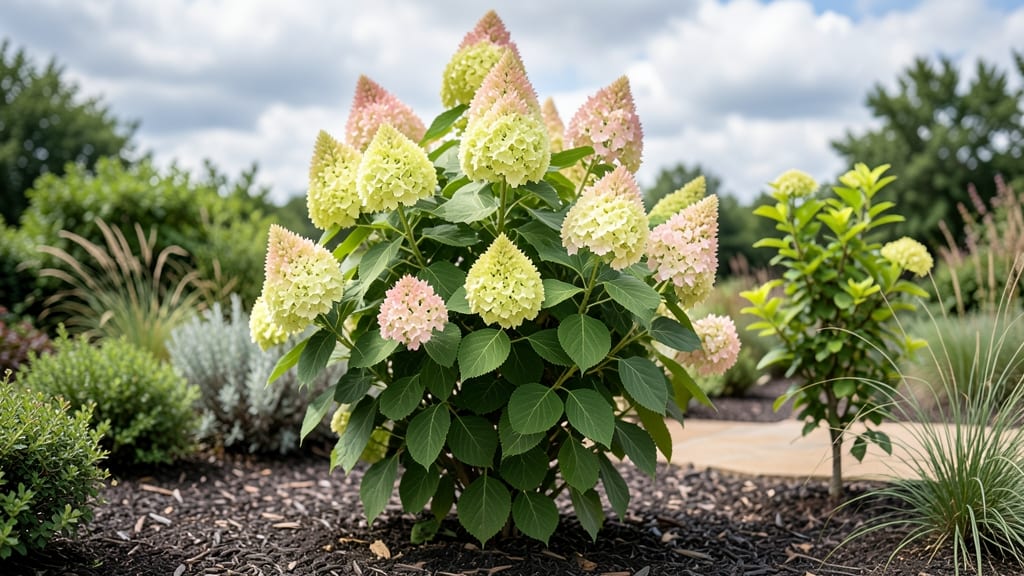
A hydrangea tree can grow tall in a stunning range of heights, from just 3 feet to over 20 feet, depending on the variety you choose—so picking the right one for your space is key.

If you’re dreaming of a lush, shade-providing hydrangea tree but aren’t sure which variety fits your yard’s size, you’re not alone—many gardeners underestimate just how dramatically these trees can vary in height.

Some, like the compact ‘Little Lime’ panicle hydrangea, stay under 5 feet tall, making them perfect for small gardens or containers. Others, such as the oakleaf hydrangea, can stretch up to 15 feet or more, providing dramatic vertical interest for larger landscapes.

In this guide, I’ll break down the height expectations for popular varieties, share pruning tips to control growth, and help you match the perfect hydrangea tree to your space—whether you want a privacy screen or a focal-point shrub.

Hydrangea Tree Height Range
6 ftto15 ft
0 ft 3 ft 6 ft 9 ft 12 ft
🌱 Medium Shrub (Tree-like)

Hydrangea tree height by variety: from compact to towering giants

Choosing a hydrangea tree for your landscape means balancing beauty with space—because these woody shrubs can range from compact 6-foot wonders to 30-foot shade giants. The right variety ensures your yard stays lush without overwhelming your patio or driveway.

I’ve grown everything from dwarf hydrangeas in containers to towering oakleaf varieties, and the size differences are staggering.

Your yard’s layout and sunlight dictate which hydrangea thrives best. Smaller varieties like Hydrangea paniculata ‘Little Lime’ stay under 8 feet, perfect for foundation plantings, while oakleaf hydrangeas can stretch to 20 feet if left unpruned.

Let’s break down the height spectrum so you can pick the perfect fit for your space—whether you want a privacy screen or a container-friendly accent.

Pro Tip: Most hydrangea trees grow 1–2 feet per year, but aggressive varieties like Hydrangea arborescens ‘Annabelle’ can surge 3 feet annually if given ideal conditions. Pruning in late winter controls height, but timing matters—cut too early, and you risk sacrificing blooms.

Variety Mature Height (ft) Growth Rate Sun Needs Best For
Hydrangea paniculata 'Little Lime' 6–8 ft 1–2 ft/year Full sun–partial shade Containers, small yards
Hydrangea arborescens 'Annabelle' 4–6 ft 2–3 ft/year Partial shade Foundation plantings
Hydrangea quercifolia (Oakleaf) 12–20 ft 1–2 ft/year Partial shade Shade trees, large yards
Hydrangea macrophylla 'Endless Summer' 3–5 ft 1 ft/year Partial shade Borders, patio edges
Hydrangea paniculata 'Grandiflora' 8–12 ft 2 ft/year Full sun Privacy screens
Hydrangea petiolaris (Climbing) 20–30+ ft 3–5 ft/year Partial shade Trellises, fences
Hydrangea paniculata 'Limelight' 6–8 ft 1–2 ft/year

How to control hydrangea tree height: pruning tips for small yards

Pruning your hydrangea tree isn’t just about keeping it tidy—it’s the key to controlling its height and encouraging lush blooms.

Whether you’ve planted a dwarf variety like Hydrangea paniculata ‘Little Lime’ (which tops out at 6 feet) or a towering Hydrangea quercifolia (reaching 20 feet), the right pruning strategy makes all the difference.

I’ve learned that timing and technique are everything—prune at the wrong time, and you might accidentally stunt growth or remove next year’s flowers.

The best time to prune depends on your hydrangea type. For panicle hydrangeas (like ‘Little Lime’), late winter or early spring is ideal—this encourages vigorous growth and abundant blooms. Meanwhile, oakleaf hydrangeas (Hydrangea quercifolia) should be pruned in late winter to avoid cutting off next year’s flower buds.

Always use clean, sharp pruners to make precise cuts just above a leaf node or bud, which promotes healthier regrowth.

Step-by-Step Pruning Guide
  1. Step 1: Identify your hydrangea type—panicle, oakleaf, or smooth—to determine the best pruning time.
  2. Step 2: Prune panicle hydrangeas in late winter/early spring (Feb–March) to shape and encourage new growth.
  3. Step 3: For oakleaf hydrangeas, prune in late winter (Jan–Feb) to avoid cutting off flower buds.
  4. Step 4: Cut back 1/3 of the oldest stems to the ground for rejuvenation, especially in overgrown trees.
  5. Step 5: Remove dead, diseased, or crossing branches first to improve airflow and reduce pests.
  6. Step 6: Shape the tree by trimming outward-facing branches to maintain an open, airy form.
  7. Step 7: Apply pruning sealant only to large cuts (over 1 inch) to prevent disease entry.

If your hydrangea tree is too tall for your space, don’t panic—gradual pruning works wonders. Start by cutting back the longest branches by 1/3 each year until you reach your desired height.

For example, if your Hydrangea quercifolia is 15 feet tall but you want it at 10 feet, reduce it by 1 foot annually over 5 years. This method prevents shock and keeps the tree healthy while slowly reshaping it.

Pair this with annual fertilizing in spring to support new growth.

One mistake I see often is over-pruning in summer, which can stress the plant and reduce flowering. Instead, focus on light maintenance pruning during the growing season—just remove spent blooms or stray shoots.

For dwarf varieties, a little extra care goes a long way: pinch back new growth in early summer to encourage bushier, more compact growth. This works especially well for Hydrangea paniculata ‘Limelight’ or ‘Little Lime,’ keeping them at a manageable 4–6 feet.

After pruning, give your hydrangea tree a deep watering to help it recover. Mulch around the base with 2–3 inches of organic mulch (like shredded bark) to retain moisture and suppress weeds. This step is crucial in small yards, where competition for resources is fierce.

With consistent care, even a 20-foot oakleaf hydrangea can be tamed into a more manageable size—just be patient and prune strategically each year.

Remember, the goal isn’t just to shrink your hydrangea tree—it’s to shape it for health and beauty. A well-pruned tree will have better airflow, more vibrant blooms, and a structure that fits your landscape perfectly.

Whether you’re working with a dwarf panicle hydrangea or a tall oakleaf giant, these techniques will keep your tree thriving without overwhelming your space. Happy pruning! 🌿✂️

★★★★★4.6(10 reviews)
Categories How To