
How To
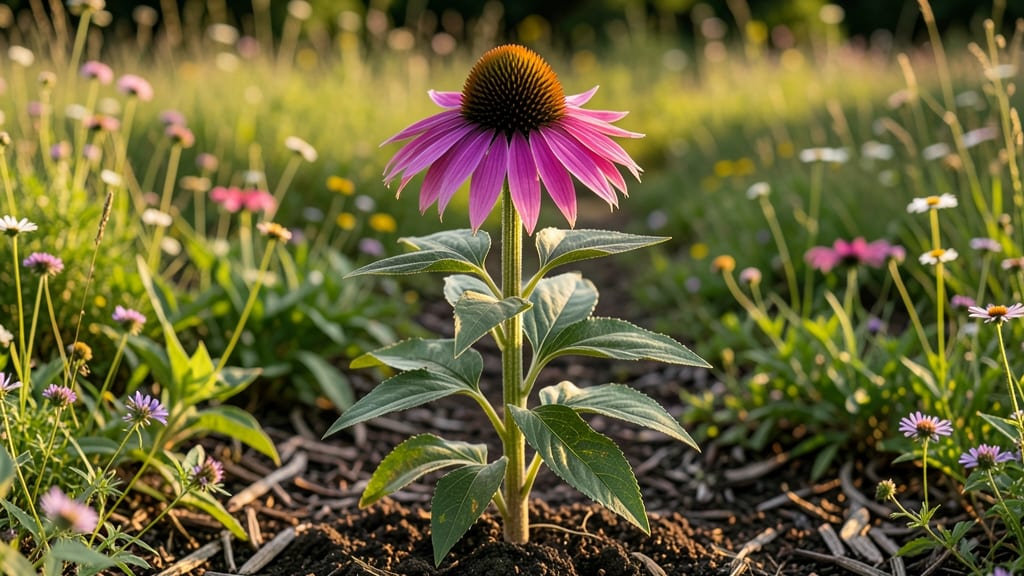
Coneflowers grow between 1 and 5 feet tall, depending on the variety and growing conditions, making them a versatile choice for any garden layout.
If you're planning your garden layout, knowing the exact height of coneflowers is crucial—plant them too close, and they’ll crowd your perennials; too far apart, and you’ll waste valuable space. Here’s the definitive guide to spacing these stunning blooms by variety.
From the dwarf varieties that top out at just 1-2 feet to the towering 5-foot giants, each type thrives in different spaces. Purple coneflower (Echinacea purpurea), the most common, typically reaches 2-4 feet, while white coneflower (Echinacea pallida) stays shorter at 1-3 feet.
Below, you’ll find exact spacing recommendations, tips for controlling height, and how to pair them with other plants for a balanced, low-maintenance garden design.

Coneflower height by variety: exact growth ranges for garden planning
When planning your perennial garden, coneflower height determines whether they’ll become the stunning focal point or get lost in the background. These hardy Echinacea varieties range from dwarf varieties under 2 feet to towering 5-foot giants, making precise spacing essential for airflow and blooms.
Let’s break down the exact mature heights by popular variety so you can design with confidence.
Most coneflowers thrive in full sun conditions (6+ hours daily), but their height can vary by 1-2 feet depending on sunlight exposure. In partial shade, expect slightly shorter growth—sometimes as much as 20% less—while rich, well-draining soil can encourage taller stems.
Always check your specific variety’s growth habits before planting.
🌼 Summary Table: Coneflower Height by Variety
For dwarf varieties like 'Kim’s Knee High' or Echinacea paradoxa, their compact size makes them perfect for front-of-border plantings or container gardens. These 1-2 footers thrive in 12-inch spacing, allowing you to mix them with salvias or black-eyed Susans without overcrowding.
Medium-height coneflowers like 'Magnus' or 'White Swan' reach 2-4 feet and work beautifully as mid-border accents. Space them 18-24 inches apart to prevent competition for nutrients while ensuring optimal airflow—critical for reducing powdery mildew risk. In partial shade, reduce spacing by 20% to compensate for slower growth.
The tallest varieties, such as 'Green Envy', can reach 5 feet and need 24-30 inches of space to support their heavy flower heads. These make dramatic backdrop plants behind shorter perennials like bee balm or daylilies. If growing in windy areas, stake them early to prevent flopping.
Pro tip: Adjust spacing based on your garden’s mature plant density. If surrounding perennials like Russian sage or lavender stay under 3 feet, you can plant taller coneflowers closer (18 inches apart) without sacrificing airflow. Always group similar-height varieties together for a cohesive look.
For container gardening, choose dwarf varieties in 5-gallon pots to avoid root-bound stress. Even medium-height coneflowers can work in 15-gallon containers if pruned back by one-third after flowering to encourage bushier regrowth. Always use well-draining potting mix to prevent root rot.
Remember, soil fertility plays a key role in height. Over-fertilizing with high-nitrogen mixes can lead to taller but leggy stems. Instead, use a balanced 10-10-10 fertilizer in early spring and avoid feeding after mid-summer to promote compact, sturdy growth.
🌱
How to space coneflowers for optimal airflow and blooms
Proper spacing ensures your coneflowers thrive with better airflow and longer-lasting blooms. Crowding stunts growth, while over-spreading wastes space. I’ve learned that air circulation prevents fungal diseases like powdery mildew, which can ruin your plants before they even bloom.
The key is balancing plant size and garden layout—here’s how I do it.
Most coneflower varieties reach 3-5 feet tall at maturity, but spacing depends on their growth habit. Dwarf varieties like 'White Swan' stay compact at 1-2 feet, while tall types like 'Magnus' can tower to 5 feet.
I always check the mature height label before planting to avoid surprises. For example, placing a 5-foot coneflower too close to a 2-foot shrub will block sunlight and create a messy look.
🌼 Spacing Guidelines by Coneflower Height
- Dwarf varieties (1-2 ft): Space 12-18 inches apart in borders or containers. Ideal for front-of-bed planting or rock gardens.
- Medium varieties (2-3 ft): Plant 18-24 inches apart in mixed borders. Pair with daylilies or black-eyed Susans for balanced height.
- Tall varieties (3-5 ft): Give 24-36 inches of space for full airflow. Use as backdrop plants or in wildflower meadows.
- Container gardening: Use 1 plant per 5-gallon pot (dwarf) or 1 plant per 10-gallon pot (tall). Ensure pots have drainage holes to prevent root rot.
💡 Pro Tip: Add 3 inches of mulch around stems to retain moisture and discourage weeds.
Adjust spacing for windy areas—coneflowers can flop if stems aren’t supported. I stake tall varieties in exposed spots and reduce spacing by 10-15% to create a natural windbreak. In crowded borders, I interplant with low-growing perennials like creeping thyme to fill gaps without competition.
For container gardens, choose dwarf varieties or prune tall stems to half their height mid-season.
Common spacing mistakes include planting too close in full sun, which causes leaf scorch, or overcrowding in shade, leading to leggy growth. I once planted purple coneflowers 18 inches apart in partial shade—they grew tall but floppy, and the blooms were sparse.
After moving them to full sun and increasing spacing to 24 inches, they thrived with bold, upright stems.
For pollinator gardens, I space coneflowers 18-24 inches apart in clusters of 3-5 plants. This creates a continuous nectar source for bees and butterflies while maintaining airflow. Avoid planting in tight rows—instead, use a staggered pattern to mimic natural meadows.
If your garden has limited space, opt for 'White Swan' or 'Green Envy', which stay compact yet produce abundant blooms.
Finally, prune spent blooms in early fall to encourage new basal growth for next year. This helps maintain a neat, bushy shape without requiring drastic spacing adjustments. With the right spacing, your coneflowers will reward you with vibrant blooms from summer to frost—and happy pollinators all season long! 🌿