
How To
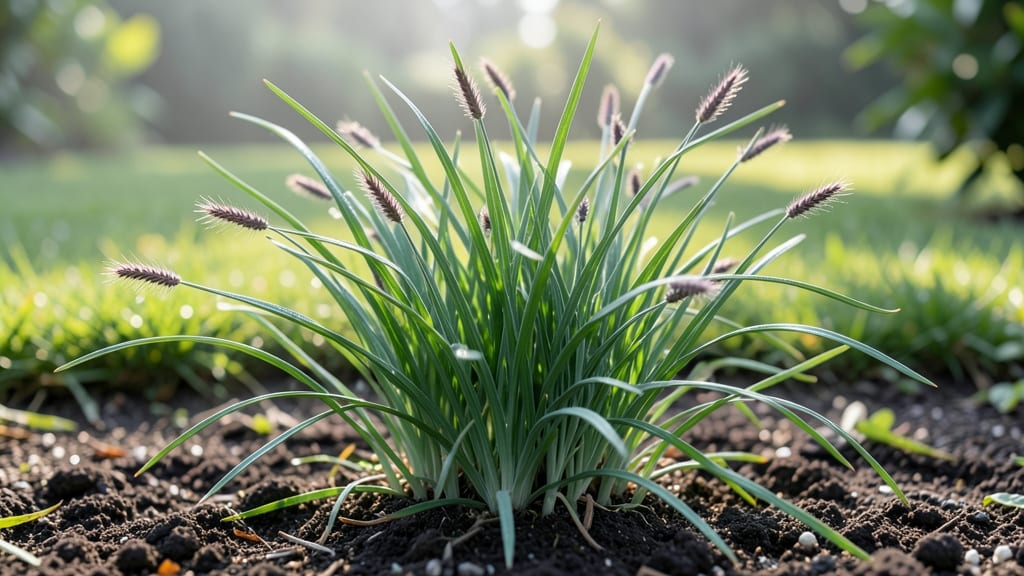
Ryegrass grows between 6 inches and 2 feet tall, depending on the variety and growing conditions 🌱 — a range that makes it perfect for lawns, erosion control, or temporary meadows.
Picture this: you’ve just seeded your yard, dreaming of a lush green carpet, only to realize some types of ryegrass reach nearly waist-high while others stay neatly trimmed at ankle level. The difference comes down to whether you’re planting annual or perennial types, and how you manage it afterward.
Annual ryegrass, like the fast-growing 'Marshall,' can shoot up to 2 feet tall in just 60 days, making it ideal for quick cover or sports fields. Perennial varieties, such as 'Baron,' stay shorter—around 6-12 inches—and thrive for years with the right care.
Climate and soil play a role too: rich, well-drained soil and full sun will push heights toward the upper limit, while shade or poor soil keeps it compact.
In this guide, you’ll learn how to pick the right variety for your needs, control its height with simple mowing tricks, and avoid common mistakes that turn your neat lawn into a wild meadow overnight.

Ryegrass height by variety: tall vs short growing types explained
Choosing the right ryegrass variety depends entirely on your height expectations. Some types like 'Marshall' stay compact at just 3-6 inches, perfect for overseeding lawns, while others like 'Baron' can reach 12-24 inches—ideal for erosion control or temporary meadows.
The difference isn't just aesthetics; it impacts growth speed, mowing frequency, and even climate tolerance.
Annual ryegrass varieties typically grow faster but shorter (6-12 inches), making them great for quick lawn coverage. Perennial types, however, develop deeper roots and can reach up to 2 feet when mature.
Your local climate also plays a role—cooler regions may see slower growth, while warmer areas can push ryegrass to its maximum height within 60 days.
Here's the key difference: Annual ryegrass is your fast-growing temporary solution, while perennial ryegrass offers long-term stability but requires more maintenance. For example, 'Citation' (annual) hits 8-12 inches in 30 days, while 'Penncross' (perennial) takes 60 days to reach 12-18 inches but stays green through winter.
If you're planting ryegrass for lawns, stick to shorter varieties like 'Marshall' or 'Great Plains'—they stay under 6 inches when mowed regularly. For erosion control on slopes, taller types like 'Baron' develop deeper roots and reach 2 feet, providing better soil stabilization.
My personal experience shows that perennial ryegrass handles heavy foot traffic better due to its thicker growth.
Climate matters too. In cooler northern states, ryegrass may only reach 50% of its potential height due to shorter growing seasons. But in southern climates, varieties like 'Citation' can grow 20% taller with proper watering and fertilization.
Always check your USDA zone—if you're in Zone 5 or below, opt for hardy perennial types like 'Penncross'.
For turf farms, height consistency is critical. 'Great Plains' stays 6-12 inches year-round, making it ideal for commercial sod production. Meanwhile, 'Marshall' is my go-to for home lawn overseeding because it blends seamlessly with existing grass at 3-6 inches.
The trade-off? 'Marshall' only lasts one season, while <
How fast does ryegrass grow to full height? Seasonal growth patterns
Ryegrass is one of the fastest-growing grasses, and its speed depends on temperature, sunlight exposure, and soil conditions. Most varieties reach their full height of 6-24 inches within 30-60 days after germination, making it ideal for quick lawn coverage or erosion control.
The growth rate can vary significantly between annual and perennial types, with annual ryegrass often growing faster in warm seasons.
Understanding these growth patterns helps you plan for mowing schedules, overseeding projects, or landscaping timelines. For example, if you're planting ryegrass in early fall, it may reach full height by late fall, while spring plantings can mature by early summer.
Let’s break down the key stages and what influences growth speed.
- Germination: 3-7 days in ideal conditions (60-75°F, moist soil). Sprouts appear quickly with proper watering.
- Seedling Stage: 1-2 weeks to reach 2-3 inches tall. Rapid growth occurs with full sun exposure.
- Vegetative Growth: 2-4 weeks to reach 6-12 inches. Best growth happens in 60-80°F temperatures.
- Maturity: 30-60 days to full height (6-24 inches). Perennial types continue growing seasonally.
- Winter Dormancy: Growth slows or stops below 40°F. Resumes with warmer spring temperatures.
Temperature plays a critical role in ryegrass growth speed. In summer months, when temperatures exceed 85°F, growth can slow due to heat stress. Conversely, spring and fall provide optimal conditions for rapid growth, often resulting in faster maturation and denser coverage.
For instance, planting in late summer ensures strong root establishment before winter.
Sunlight is another key factor—full sun (6+ hours daily) accelerates growth, while shady conditions can stunt it, leading to slower height development. If you’re planting ryegrass in partial shade, expect 10-15% slower growth compared to sunny areas.
Well-draining, fertile soil with a pH of 6.0-7.0 also supports faster height gain.
Seasonal differences matter too. In winter climates, ryegrass may go dormant, halting height growth until spring. However, in mild winter regions, some varieties continue growing slowly.
For example, annual ryegrass planted in fall can reach full height by late winter in southern USDA zones, while northern zones may see slower growth until spring.
To maximize growth speed, I recommend regular watering (1/2 inch weekly), light fertilization every 4-6 weeks, and consistent mowing at 1.5-3 inches. These steps ensure your ryegrass reaches its full height quickly and maintains a healthy, dense appearance throughout the growing season.