
How To
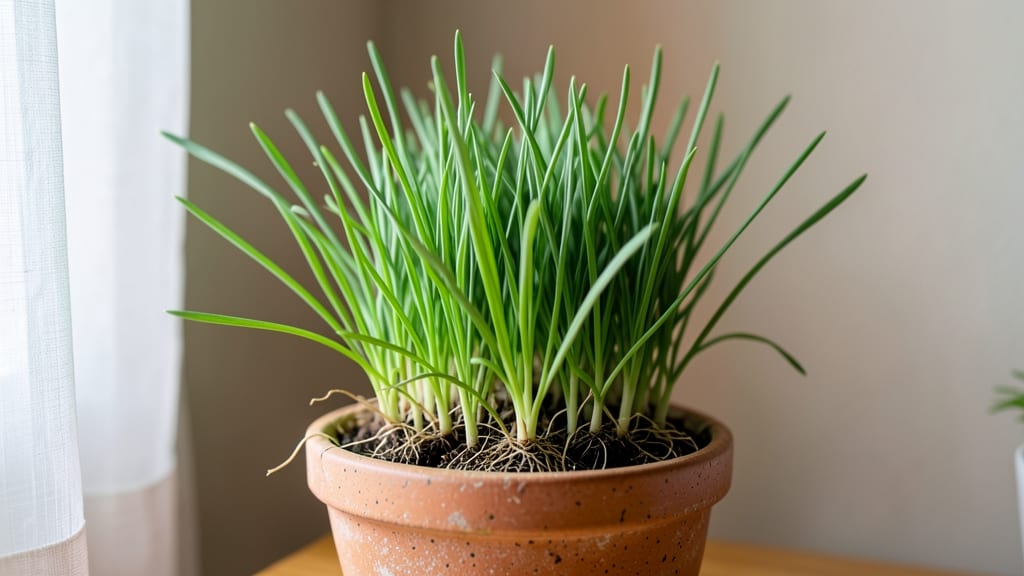
How tall does wheatgrass grow? It typically reaches a height of 4 to 12 inches, depending on variety and growing conditions, making it a compact yet nutrient-packed green for your garden or kitchen.
You might picture wheatgrass as a delicate, wispy plant, but the right conditions turn it into a fast-growing powerhouse—taller than a houseplant but still manageable for home harvests.
Whether you’re growing it for juicing, forage, or ornamental purposes, height isn’t just about aesthetics; it’s about timing your harvest for peak nutrition.
Outdoor wheatgrass in full sun can reach the upper end of that range, while indoor varieties or those in containers stay shorter unless you’re using a dwarf strain.
The key to controlling height lies in sunlight, soil quality, and when you decide to harvest—cut it too late, and you’ll end up with bitter, seed-bearing stalks instead of tender blades.
Below, I’ll break down how to maximize height for your needs—whether you want a lush, waist-high patch or a controlled indoor crop—plus the exact signs to watch for when it’s ready to harvest.

Wheatgrass height by variety: what to expect from different strains
Wheatgrass isn’t one-size-fits-all—its height varies dramatically by variety and genetic strain. Whether you’re growing it for juicing, ornamental purposes, or forage, knowing these differences helps you set realistic expectations.
Some strains stay compact while others reach impressive heights under ideal conditions. Let’s break down what to expect from the most popular types.
Most gardeners assume wheatgrass tops out around a foot, but the truth is far more nuanced. Standard wheatgrass (the most common type) typically reaches 12–18 inches when grown outdoors, while dwarf varieties may only hit 6–10 inches.
The key difference lies in their genetic growth potential, which is influenced by centuries of selective breeding for specific traits like leaf density or early maturity.
Here’s where things get interesting: Hybrid strains (crosses between wheatgrass and other grasses) often bridge the gap, growing 15–24 inches tall. These are popular among commercial growers because they offer a balance between yield and harvest window.
Meanwhile, Red wheatgrass and Blue wheatgrass varieties tend to stay shorter (8–14 inches) but pack a more intense flavor profile.
🌱
If you’re growing wheatgrass in containers, expect heights to shrink by 20–30% compared to outdoor plots. This happens because root restriction limits nutrient uptake and stem elongation.
For example, a Standard wheatgrass variety might only reach 8–12 inches indoors, even with perfect light. The trade-off? Container growth often results in thicker, more nutrient-dense leaves—ideal for juicing.
Genetics aren’t the only factor—environmental conditions play a huge role. For instance, Blue wheatgrass can grow 30% taller in full sun compared to partial shade. Similarly, Hybrid strains may bolt (send up seed stalks) prematurely if they don’t get enough cool-season growing time.
That’s why late-spring plantings often yield shorter, bushier growth.
For gardeners in cooler climates (USDA Zones 3–5), Red wheatgrass is a smart choice because it matures faster and stays shorter, avoiding the bolting risk that plagues taller varieties in hot summers.
In contrast, Hybrid strains thrive in warmer zones (6–10) where they can leverage longer growing seasons to reach their full 15–24 inch potential.
One common misconception is that taller wheatgrass is always
Key factors that determine wheatgrass height: light, soil, and harvest timing
Wheatgrass thrives when given the right conditions, but its final height depends heavily on three key factors: sunlight exposure, soil quality, and harvest timing. Each plays a critical role in whether your wheatgrass reaches its ideal 6–12-inch range or falls short—or worse, bolts too early.
Let’s break down how to optimize each for maximum growth.
First, sunlight is non-negotiable. Wheatgrass craves 6+ hours of direct sun daily, but too little light stunts growth, while partial shade can reduce height by up to 50%.
For example, a south-facing windowsill or open garden bed ensures robust growth, while a north-facing spot may yield grass no taller than 3–4 inches. Even indoor grow lights (12+ hours/day) can mimic full sun if positioned 6–12 inches above the tray.
Next, soil nutrients—especially the nitrogen-to-phosphorus ratio—directly influence height. A 5-5-5 balanced fertilizer (equal parts NPK) promotes steady growth, but too much phosphorus can cause leggy, weak stems. My trick? Mix 1 tbsp of compost per square foot at planting, then top-dress with worm castings every 2 weeks.
Avoid synthetic fertilizers high in phosphorus (like 10-20-10), which prioritize root depth over blade length.
⚠️ callout warning
Wheatgrass roots rot in soggy soil, halting vertical growth. Water only when the top inch feels dry—never on a schedule. Containers without drainage holes are a height killer. Use a spray bottle for light misting in mornings to avoid fungal issues.
💧 Pro Tip: Check soil moisture by touch—if it springs back slowly, it’s time to water.
Harvest timing is where most gardeners go wrong. Cutting too early (under 4 inches) means lower nutrient density, while waiting too long (over 12 inches) triggers bolting (seed head formation), which ruins the tender blades.
I harvest at 6–8 inches for the sweet spot: maximum chlorophyll and minimal bitterness. Use clean sharp scissors and cut just above the soil line to encourage regrowth—your second harvest will often be 20% taller than the first.
For container growing, depth matters. Wheatgrass needs at least 4 inches of soil to develop strong roots, but deeper trays (6+ inches) let it grow 1–2 inches taller.
I use recycled takeout containers with drainage holes punched in the bottom—cheap, effective, and reusable. Just avoid plastic that retains too much moisture, which can drown roots and stunt height.
Finally, temperature swings can sabotage growth. Wheatgrass prefers 60–75°F and struggles below 50°F or above 85°F. In hot climates, provide afternoon shade to prevent wilting, and in cold snaps, move containers indoors near a sunny window.
These adjustments ensure your wheatgrass stays lush, green, and waist-high—not stunted or stressed.