
Flowers
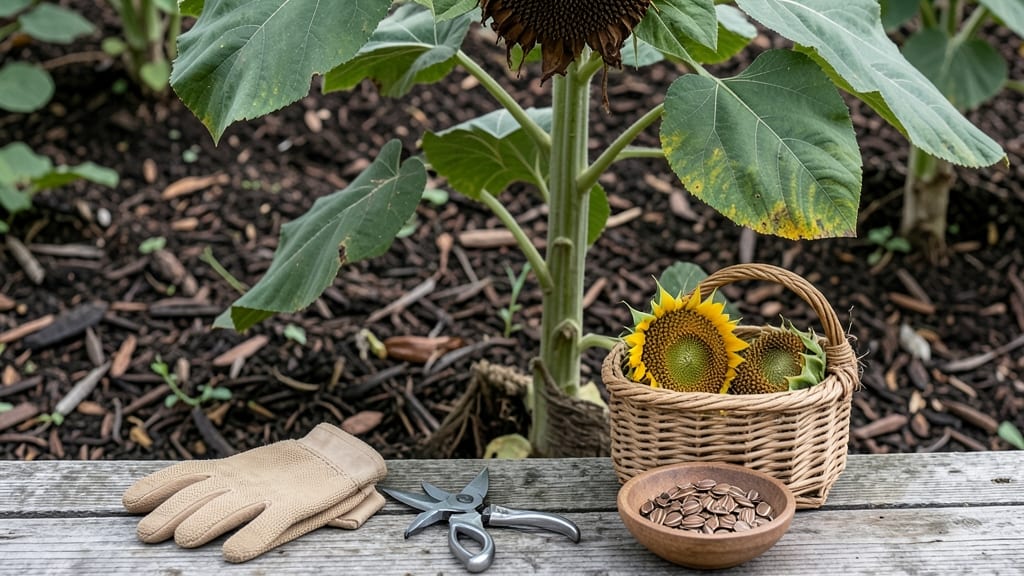
Sunflowers are ready to harvest when their back turns brown and papery 🌻 — a simple but critical detail that separates great seeds from bitter disappointment.
Picture this: you’ve nurtured your towering 🌻 sunflowers all summer, only to pick them too soon and end up with seeds that taste like sawdust. Or worse, you wait too long and miss the perfect window entirely. The good news? There’s a foolproof way to tell—right at your fingertips.
Most gardeners focus on the petals, but the real clues are hidden in the flower head’s texture and color. A dry, rattling seed pod and a drooping center mean it’s time to act. Skip this step, and you’ll either waste your harvest or struggle with storage issues later.
Below, I’ll walk you through the back-of-hand test and other easy tricks to nail the timing—so you can enjoy your sunflowers at their peak, whether you’re saving seeds, making bouquets, or just admiring nature’s golden masterpieces.

The back-of-hand test: sunflower ripeness explained step-by-step
Sunflowers reach their peak ripeness when their seed heads and petals show specific visual cues. The back-of-hand test is a simple tactile method to confirm ripeness without guessing.
This technique combines visual inspection with touch to ensure you harvest seeds at their sweetest, most flavorful stage—just before birds or frost ruin your crop.
Harvesting too early means bland, underdeveloped seeds, while waiting too long risks bitter, shriveled seeds or mold. The key is timing: most sunflower varieties take 70–120 days to mature, but environmental factors like temperature and humidity can shift that window. Here’s how to nail it every time.
- 1 Observe Petal Droop: Look for wilted, drooping petals (not fully fallen). Bright, upright petals mean the flower isn’t ready yet.
- 2 Check Back-of-Head Color: The reverse side of the seed head should turn brown and papery. If it’s still green or yellow, wait 3–5 more days.
- 3 Perform the Back-of-Hand Test: Gently press your knuckles against the seed head. If the seeds feel dry and firm (like a light tap), they’re ready. Soft or squishy seeds need more time.
- 4 Listen for Seed Rattle: Shake the head near your ear. A loud, hollow rattle means seeds are dry and mature. A dull thud means they’re still moist and unripe.
- 5 Cut the Stem Cleanly: Use clean pruners to snip the stem 2–3 inches below the head. Leave a small stem to prevent the head from splitting open during drying.
Why does the back-of-hand test work? Sunflower seeds mature from the outer edges inward, so the firmness you feel is a direct indicator of seed viability. Overripe seeds lose moisture and flavor, while underripe seeds lack the oil content that makes them delicious for roasting or pressing.
Common mistakes include harvesting when petals are fully fallen (seeds may already be scattered) or ignoring the seed head’s texture. For example, Mammoth sunflowers often take longer to mature than Teddy Bear dwarf varieties, so always check the seed head, not just the petals.
Pro tip: Harvest on a dry, sunny morning to avoid mold during storage.
If you’re growing sunflowers for bird feeders, harvest when the back turns fully brown—this ensures maximum seed yield. For edible seeds, aim for a light brown, papery back with a firm but not hard texture.
Store harvested heads in a cool, dry place for up to 2 weeks before shelling seeds.
For oil-seed varieties, wait until the seed head splits open naturally—this signals peak oil content. But be quick: once the head cracks, seeds scatter fast.
If you miss the window, don’t despair—sunflower seeds stay viable for 1–2 years if stored in a sealed container away from light and pests.
Remember, patience pays off. Rushing the harvest means bland, shriveled seeds, while waiting too long risks mold or seed loss. The back-of-hand test is your secret weapon for perfectly ripe sunflowers every time—no guesswork required!
Sunflower variety matters: harvest times by type (giant, dwarf, oil-seed)
Not all sunflowers mature at the same time, and their harvest windows depend on whether you're growing them for flower arrangements, bird feeders, or edible seeds.
Giant varieties like Mammoth or Russian Giant take the longest to reach maturity, while dwarf types like Teddy Bear or Sunspot can be ready in as little as 70 days. Even oil-seed varieties have unique timing for peak seed production.
For flower arrangements, you’ll want to cut sunflowers when their petals are fully open but still vibrant. However, if you’re after seeds for eating or bird feeders, you’ll need to wait until the back of the head turns brown and papery.
This timing can vary by 10-20 days depending on the variety and growing conditions.
If you’re growing oil-seed varieties like NuSun or Sunrich, aim for harvest when the seed heads are fully brown and the seeds rattle inside. These varieties are bred specifically for high oil content, so timing is critical for optimal flavor and nutritional value.
For flower arrangements, cut stems when the buds are just starting to open—this ensures longevity in vases.
Giant sunflowers like Mammoth often require staking to support their weight, which can slightly delay maturity. Meanwhile, dwarf varieties like Teddy Bear are perfect for small gardens or containers and mature faster, making them ideal for early-season harvests.
Always check the seed packet for specific variety details, as growing conditions can shift harvest windows by up to 2 weeks.
Pro tip: Mark your planting dates and use a garden journal to track maturity. This helps you adjust future plantings for continuous blooms throughout the season. For example, if you plant dwarf varieties in early June, you might get a second harvest in late August!
Remember, the back-of-hand test works for all varieties—just press a seed lightly. If it gives slightly, it’s ready! For edible seeds, roast them immediately after harvest for the best flavor.