
Flowers
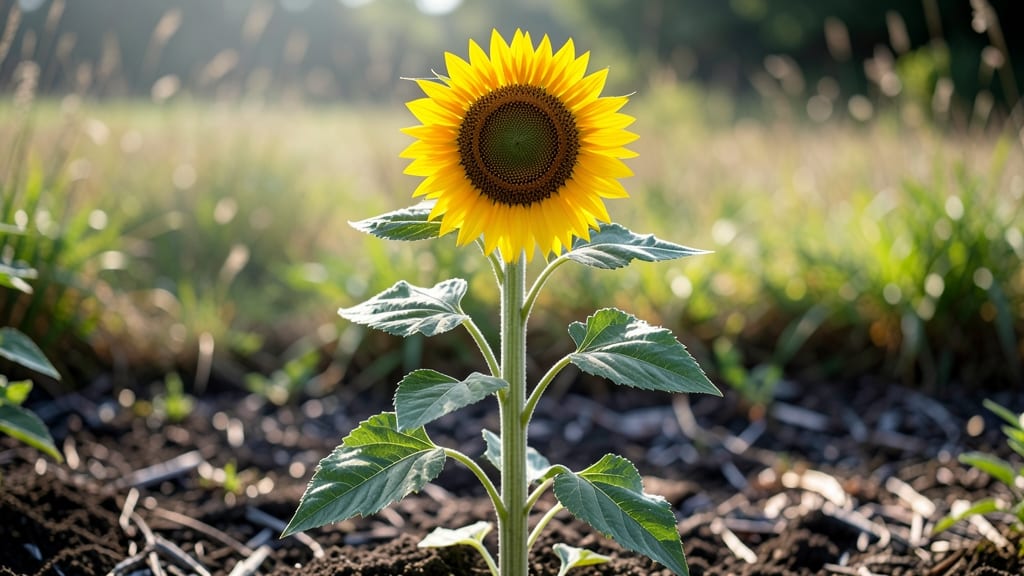
Growing Mammoth sunflowers from seed to those jaw-dropping 10- to 16-foot blooms takes about 90 to 120 days—a timeline that feels like watching a skyscraper rise overnight.
If you’ve ever dreamed of cultivating sunflowers that dwarf your garden fence—Mammoth sunflowers could be your next obsession—but first, you need to know exactly how long they’ll take to reach their towering glory.
From the first green shoot popping through the soil to the moment those massive blooms turn toward the sun, every stage matters. Germination happens in 7 to 14 days, but the real magic unfolds in the vegetative phase, where stems thicken and leaves spread like a sun-loving canopy.
Below, I’ll break down the exact milestones—from seed to full bloom—and share the key factors (like soil, sunlight, and water) that can speed up or slow down your sunflower’s journey to becoming the garden’s star attraction.

Mammoth sunflower growth timeline: seed to full bloom stages
If you're planning to grow mammoth sunflowers, understanding their growth timeline is key to success. These giants typically take 90 to 120 days from seed to full bloom, but several factors can speed up or slow down this process.
Let’s break down each stage so you can track progress and adjust care accordingly.
From the moment you plant your sunflower seeds, the journey begins with germination, followed by rapid vegetative growth, and finally the stunning flowering phase. Each stage has unique requirements to ensure your plants reach their towering heights—often 10 to 16 feet tall—without delays.
| Stage | Timeframe | Key Milestones | Care Tips |
|---|---|---|---|
| Germination | 5–14 days | Sprouts emerge; first true leaves appear | Keep soil 60–70°F; water lightly |
| Vegetative Growth | 20–40 days | Stems thicken; leaves grow rapidly (up to 6 ft) | Provide 6+ hours sun; fertilize lightly |
| Bud Formation | 40–60 days | Bud swells to 2–4 inches; back turns yellowish | Reduce water; stake if needed |
| Flowering | 60–90 days | Blooms open fully (12–20 inch diameter) | Water deeply; protect from pests |
| Seed Maturity | 90–120 days | Petals wilt; seeds harden in head | Harvest seeds; cut stems for drying |
During the germination stage, your seeds need consistent moisture and warm soil temperatures (ideally 60–70°F) to sprout within 5–14 days. Plant seeds 1 inch deep in loose, well-draining soil after the last frost date—typically in April or May in most U.S. zones.
Once sprouted, the vegetative growth phase kicks in, where your sunflowers can grow 2–3 inches per day under ideal conditions. This phase lasts 20–40 days, during which they’ll develop a sturdy stem and broad leaves. Ensure they receive full sun exposure (6+ hours daily) to avoid leggy growth.
Around 40–60 days, you’ll notice the bud formation stage, where the iconic sunflower head begins to swell. This is when the back of the bud turns yellowish-brown, signaling it’s nearing bloom.
Reduce watering slightly during this phase to prevent bud rot, and consider staking if stems wobble in wind.
The flowering stage is the crowning achievement, occurring between 60–90 days after planting. Your mammoth sunflower will unfurl a 12–20 inch bloom, attracting pollinators and adding drama to your garden. Water deeply at the base to support the heavy head, and watch for pests like aphids or beetles.
Finally, the seed maturity stage (days 90–120) marks the end of the cycle. Petals will wilt, and the seed head will dry out. Harvest seeds by cutting the head and hanging it upside down in a dry, dark place for 2–3 weeks to fully mature.
Save seeds for next year or use them for bird feeders!
Under optimal conditions—full sun, well-draining soil, and consistent watering—your mammoth sunflowers will reach their full height and bloom on schedule. Adjust care based on your local climate, and don’t hesitate to provide extra support if needed.
With patience and the right conditions, you’ll be rewarded with sunflowers that stand taller than you and bring joy from July through September. Happy growing! 🌻
Factors that speed up or slow down mammoth sunflower growth
Mammoth sunflowers are fast growers, but their growth speed can vary dramatically based on environmental conditions. While most varieties reach maturity in 90-120 days, some may bloom earlier or take longer depending on how you care for them.
Understanding these key factors will help you optimize their growth for taller stems and earlier blooms.
One of the biggest influences is soil quality. Mammoth sunflowers thrive in well-draining, nutrient-rich soil with a pH between 6.0 and 7.5. Poor soil can stunt growth, while amended soil with compost or a balanced fertilizer can accelerate their development by up to 20%.
I always recommend testing your soil before planting to avoid delays.
Another critical factor is sunlight exposure. These sun-loving plants need at least 6-8 hours of direct sunlight daily. Insufficient light slows growth, while full sun exposure can push them to reach maturity 10-15 days faster.
If you're growing them in containers, place them in the sunniest spot available.
⚠️ WARNING: Common Mistakes That Stunt Growth Mammoth sunflowers are sensitive to overcrowding, inconsistent watering, and temperature extremes. Plant seeds 6-12 inches apart to avoid competition for nutrients. Water deeply every 3-5 days—never let the soil dry out completely, but avoid waterlogging.
Temperatures below 50°F or above 90°F can slow growth significantly. If you're in a cooler climate, consider using black plastic mulch to warm the soil and speed up germination.
Watering frequency also plays a huge role. While mammoth sunflowers are drought-tolerant once established, young plants need consistent moisture to grow quickly. I recommend watering in the early morning to reduce evaporation and fungal risks.
Overwatering, however, can lead to root rot, which stunts growth and may even kill your plants.
Temperature ranges are another key factor. Mammoth sunflowers grow best in warm weather between 70°F and 85°F. Cooler temperatures slow growth, while extreme heat can cause bolting (premature flowering) or stress the plant.
If you're in a hot climate, provide afternoon shade during peak summer months to prevent wilting and maintain steady growth.
Finally, fertilizer type and timing can make a big difference. Use a balanced 10-10-10 fertilizer every 4-6 weeks during the growing season. Avoid high-nitrogen fertilizers, which promote leafy growth at the expense of flower development.
I’ve seen plants grow 3 feet taller in a single season with the right fertilization schedule!