
How To
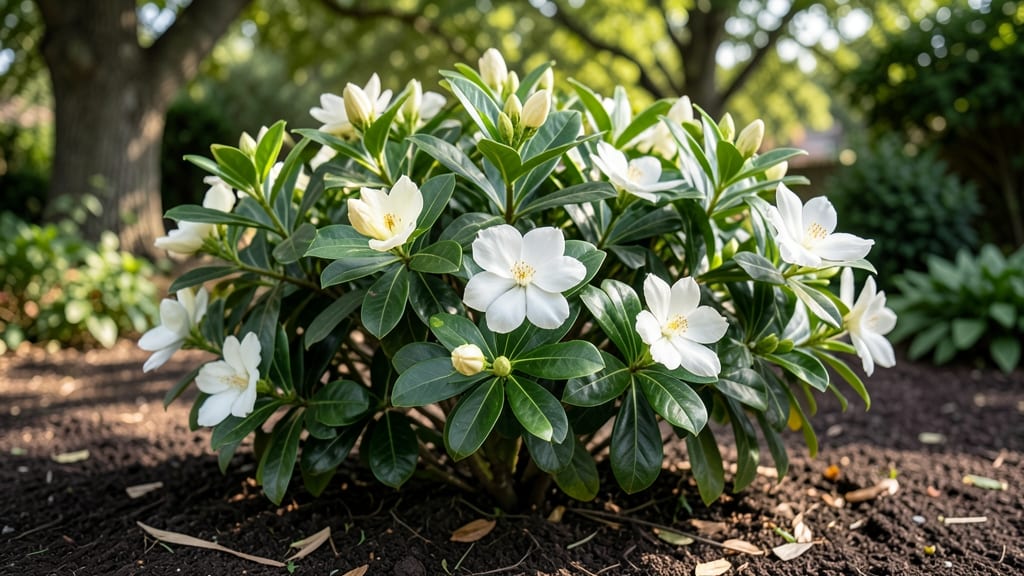
How tall gardenias grow depends on the variety, but most varieties typically reach heights between 3 and 6 feet, though their size can vary dramatically based on type and growing conditions.
If you’re dreaming of fragrant, glossy gardenias but worry they’ll overwhelm your garden space, you’re not alone. Many gardeners underestimate how much these tropical beauties can vary in size—from towering shrubs to tiny dwarf options that fit perfectly in containers.
Understanding their mature heights helps you plan the ideal spot for these 🌸-filled bloomers.
Standard gardenias like Gardenia jasminoides can reach 4 to 6 feet tall, making them great for hedges or privacy screens, while dwarf varieties stay compact at just 1 to 2 feet. The right choice depends on your space, sunlight, and how much you’re willing to prune.
Below, I’ll break down the height ranges for popular varieties, share tips for controlling growth, and help you pick the perfect gardenia for your landscape—whether you want a bold statement or a delicate patio accent.

Gardenia shrub height guide: mature sizes by popular variety
When planning your garden, understanding gardenia shrub height is crucial—especially since varieties range from compact dwarfs to towering specimens. Most gardenias (Gardenia jasminoides) reach 4–6 feet tall at maturity, but some hybrids and wild types can grow even larger.
The key to maximizing blooms lies in choosing the right variety for your space and providing proper spacing from day one.
For example, the classic ‘Kleim’s Hardy’ gardenia typically matures between 3–5 feet, making it perfect for foundation plantings or as a specimen shrub. Meanwhile, wild gardenia species like G. radicans can stretch up to 8 feet tall in ideal conditions.
Knowing these differences helps you avoid overcrowding and ensures each plant gets the sunlight and airflow it needs to thrive.
If you’re growing gardenias in containers or small spaces, opt for dwarf varieties like ‘Radicans’ or ‘Veitchii’, which stay under 3 feet tall. These are ideal for patios or balconies, where you can still enjoy their intense fragrance and glossy foliage without sacrificing space.
Just ensure your container is at least 12–18 inches wide to accommodate root growth.
For larger landscapes, ‘Kleim’s Hardy’ or ‘Fortuniana’ are excellent choices for creating a fragrant hedge or privacy screen. Plant them 4–5 feet apart to allow room for their mature spread, which can reach 3–4 feet wide.
This spacing also improves airflow, reducing the risk of fungal diseases like powdery mildew, which thrive in dense, humid conditions.
One common mistake gardeners make is underestimating the width of gardenias. While height is often the focus, these shrubs can spread just as much—sometimes even more. For instance, a 6-foot-tall gardenia might also grow 5 feet wide, so always account for both dimensions when planning your layout.
This is especially important if you’re using them as hedges or borders.
Another factor influencing gardenia height is pruning. Regular pruning not only controls size but also encourages bushier growth and more blooms. For varieties like ‘Kleim’s Hardy’, prune after flowering to shape the shrub and remove any dead or overcrowded branches.
Avoid heavy pruning in late summer, as this can reduce next year’s bloom production.
For tropical climates, wild gardenias like G. augusta can grow significantly taller—sometimes exceeding 8 feet—if given ideal conditions. These are best suited for large gardens or as specimen plants in warm, humid areas. If you’re in a cooler climate (USDA zones 7–9), stick to cold
Dwarf and compact gardenia options for small gardens or containers
If you love the intoxicating scent and velvety blooms of gardenias but lack space for full-sized shrubs, don’t worry—there are compact gardenia varieties perfect for small gardens, balconies, or even large containers. These dwarf gardenias stay under 3 feet tall while still delivering those signature fragrant white flowers.
The key is choosing the right cultivar and providing proper care to keep them tidy and blooming abundantly.
Many gardeners assume all gardenias grow tall, but varieties like ‘Radicans’ and ‘Veitchii’ are bred to stay small, making them ideal for foundation plantings or as container specimens. Even standard gardenias can be pruned to maintain a compact shape, but selecting a naturally dwarf variety ensures minimal upkeep.
Let’s explore your best options for small-space gardening with these tropical beauties.
Dwarf Gardenia Height Comparison
- Space-saving: Fits patios, balconies, or small gardens
- Low-maintenance: Less pruning needed than tall varieties
- Container-friendly: Thrives in pots with proper care
- Early blooming: Often flowers sooner than standard types
- Limited cold hardiness: Most need protection below Zone 8
- Slower growth: Takes longer to reach mature size
- Fewer blooms if overcrowded in containers
- Sensitive to pH: Requires acidic soil (pH 5.0-6.5)
One of the most popular dwarf gardenia varieties is ‘Radicans’, which typically reaches 2–3 feet tall and spreads 3–4 feet wide. This trailing habit makes it perfect for hanging baskets or spilling over container edges.
Another excellent choice is ‘Veitchii’, a compact bush that stays under 2 feet tall and produces double white blooms with a strong fragrance. Both thrive in partial shade and acidic soil, just like their larger counterparts.
For those in cooler climates, ‘Fortuniana’ is a great option—it grows 2–3 feet tall and is slightly more cold-hardy than other dwarf varieties, tolerating temperatures down to 20°F.
If you’re growing in containers, choose a pot with drainage holes and use a well-draining potting mix amended with peat moss or pine bark to maintain the acidic conditions these plants crave. Remember, root-bound plants bloom less, so repot every 2–3 years to refresh the soil.
To maximize blooms in small spaces, prune lightly after flowering to shape the plant and remove spent blooms. Avoid heavy pruning, as gardenias bloom on new wood, and over-pruning can reduce next year’s flowers.
A balanced, acid-loving fertilizer applied every 4–6 weeks during the growing season will encourage vibrant blooms and compact growth. With the right variety and care, you can enjoy fragrant gardenias without sacrificing your garden’s limited space.
Whether you’re decorating a balcony, lining a walkway, or adding a pop of color to a small patio, these dwarf gardenias prove that big fragrance doesn’t require big space. Just pick the right cultivar, provide the ideal growing conditions, and enjoy the tropical charm of these low-maintenance beauties.