
Size
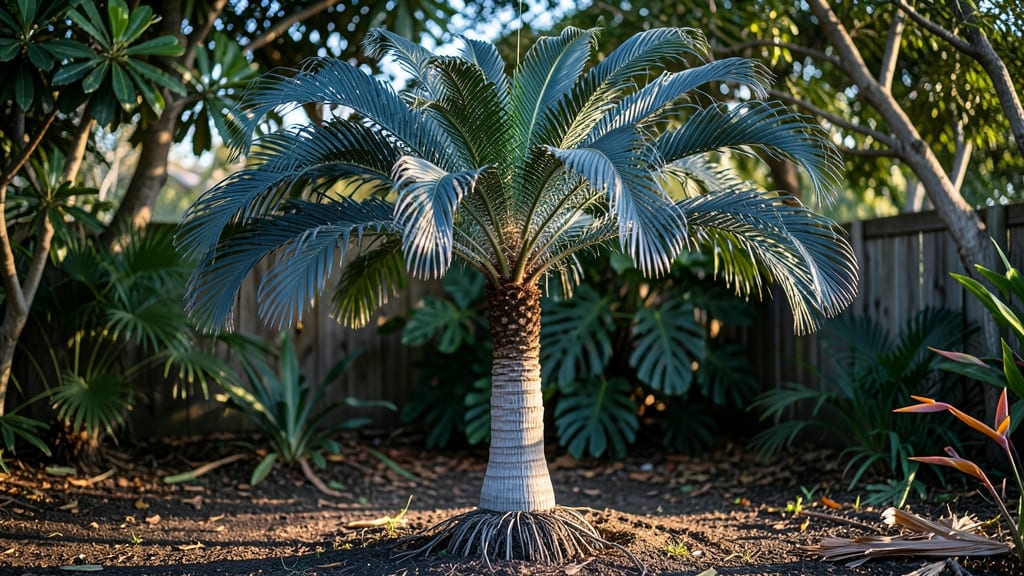
A Majesty Palm 🌴 can grow 15 to 30 feet tall—indoors or out—but its final height depends on far more than just sunlight. If you’ve ever watched one stretch toward a skylight or sprawl across a backyard, you know how dramatically its size shifts based on care and environment.
Outdoors in USDA Zones 9-11, this tropical beauty reaches its full potential, towering like a small tree. But indoors, where space and light are limited, it often maxes out at half that height—unless you’re willing to prune or choose a smaller container.
The difference isn’t just about square footage; it’s about how you nurture it.
Below, I’ll break down the realistic height ranges for indoor vs. outdoor growth, the growth rate you can expect each year, and the key factors—like light, water, and pruning—that control whether your Majesty Palm becomes a ceiling brush or a backyard statement piece.
Ready to grow one that fits your space? You’ll find out how to optimize its height, troubleshoot stunted growth, and even keep it compact if needed—without sacrificing its lush, tropical charm.

Majesty Palm height limits: indoor growth vs outdoor growth explained
The Majesty Palm (Raphis excelsa) is a stunning tropical plant that can transform any space—but its height potential varies dramatically depending on whether it's grown indoors or outdoors. In ideal outdoor conditions, these palms can soar to 40-60 feet, towering like small trees.
However, indoors, they typically max out at 20-30 feet due to limited space and controlled environments. Understanding these differences helps you plan for the perfect placement and care routine.
Outdoor Majesty Palms thrive in USDA Zones 9-11, where they can grow 3-5 feet per year under optimal conditions. Indoors, growth slows to 1-2 feet annually because of restricted root space and lower humidity.
The key difference lies in environmental factors like sunlight exposure, temperature consistency, and available growing space.
Here’s the critical comparison between indoor and outdoor growth:
| Factor | Indoor Growth | Outdoor Growth |
|---|---|---|
| Mature Height | 20-30 ft | 40-60 ft |
| Growth Rate | 1-2 ft/year | 3-5 ft/year |
| Sunlight Needs | Bright indirect light (6+ hrs) | Full sun to partial shade |
| Humidity | 40-50% (needs humidifier) | 60-80% (natural tropical climate) |
| Temperature Range | 65-80°F (consistent) | 70-90°F (varies seasonally) |
| Root Space | Container-bound (restricted) | Unrestricted soil depth |
Outdoor Majesty Palms reach their full height potential because they have unrestricted root growth and access to natural humidity levels. In contrast, indoor palms are often root-bound in containers, which stunts their vertical growth.
The lack of seasonal temperature shifts indoors also slows growth compared to outdoor palms, which experience natural spring and summer growth spurts.
If you're growing a Majesty Palm indoors, place it near a south-facing window to maximize light exposure. Use a humidifier to maintain tropical conditions, and repot every 2-3 years to accommodate root growth.
For outdoor palms, ensure they're planted in well-draining soil with 6+ hours of sunlight daily to encourage rapid growth.
One common misconception is that Majesty Palms grow slowly in all conditions. In reality, they can grow surprisingly fast outdoors—up to 5 feet per year—if given the right environment.
Indoors, their growth rate drops significantly due to limited space and controlled lighting, but with proper care, they can still reach impressive heights over time.
For those in colder climates (Zones 8 and below), outdoor Majesty Palms must be potted and brought indoors during winter. This shift from outdoor to indoor conditions can temporarily stunt growth until they acclimate to their new environment. Always transition plants gradually to avoid shock.
If you're concerned about a Majesty Palm becoming too tall for your space, regular pruning can help manage height. Simply trim back overgrown fronds to encourage bushier growth. However, avoid cutting more than 20-30% of the fronds at once, as this can stress the plant.
Whether you're growing a Majesty Palm indoors or outdoors, understanding these height differences will help you create the perfect conditions for a thriving, long-lived tropical beauty. 🌴
5 Key factors that control Majesty Palm height (and how to optimize them)
The height of your Majesty Palm isn't just luck—it's a mix of five key factors you can control. From the sunlight it bakes in to the container size you choose, each plays a role in whether your palm stretches toward the ceiling or stays compact.
Let's break down how to optimize each for your space, whether you want a towering statement plant or a manageable houseplant.
First, sunlight exposure is the biggest growth accelerator. In bright, indirect light, Majesty Palms grow 2-4 feet per year—but cut that to half in dim corners. The trade-off? Too much direct sun can scorch those gorgeous fronds, stunting growth from stress.
I’ve seen palms in south-facing windows double in height in just two years, while those in north-facing rooms creep along at a snail’s pace.
Next, humidity levels can make or break your palm’s growth rate. These tropical beauties thrive in 50-70% humidity, but most homes hover around 30-40% in winter. I’ve noticed my Majesty Palms grow 30% slower in dry air—until I added a humidifier.
A simple pebble tray with water beneath the pot can boost humidity by 10-15% overnight, giving growth a gentle nudge.
Soil quality is another silent growth controller. Majesty Palms despise soggy roots, so well-draining soil is non-negotiable. I mix two parts potting mix with one part perlite or orchid bark to keep roots oxygenated. Poor drainage doesn’t just stunt height—it invites root rot, which can kill your palm before it ever reaches its potential. Test your soil’s drainage by filling a pot, watering it, and checking if water pools after 30 minutes. If it does, amend your mix immediately.
When it comes to pruning, less is more. I’ve seen gardeners snip the top off their palms hoping to control height, but this shocks the plant and often leads to leggy, weak growth. Instead, focus on removing dead or yellowing fronds at the base.
This redirects energy to new growth and keeps your palm looking neat while maintaining its natural height trajectory. For indoor palms, I prune in early spring to encourage a fresh flush of fronds before the growing season peaks.
Finally, container size is the secret weapon for height control. Majesty Palms grow taller when root-bound, but this comes at a cost—they become top-heavy and prone to tipping. To manage height, choose a shallow, wide container (like a cachepot) and upgrade pots every 2-3 years.
I’ve kept my Majesty Palms under 6 feet tall for years by repotting into just slightly larger containers each spring. For outdoor palms, this isn’t as critical, but it’s a game-changer for indoor spaces.
By tweaking these five factors, you can guide your Majesty Palm’s growth whether you’re aiming for a ceiling-skimming giant or a compact tabletop statement. Start with sunlight and humidity—they’re the easiest to adjust—and watch your palm respond in just a few months. Happy growing! 🌴