
Flowers
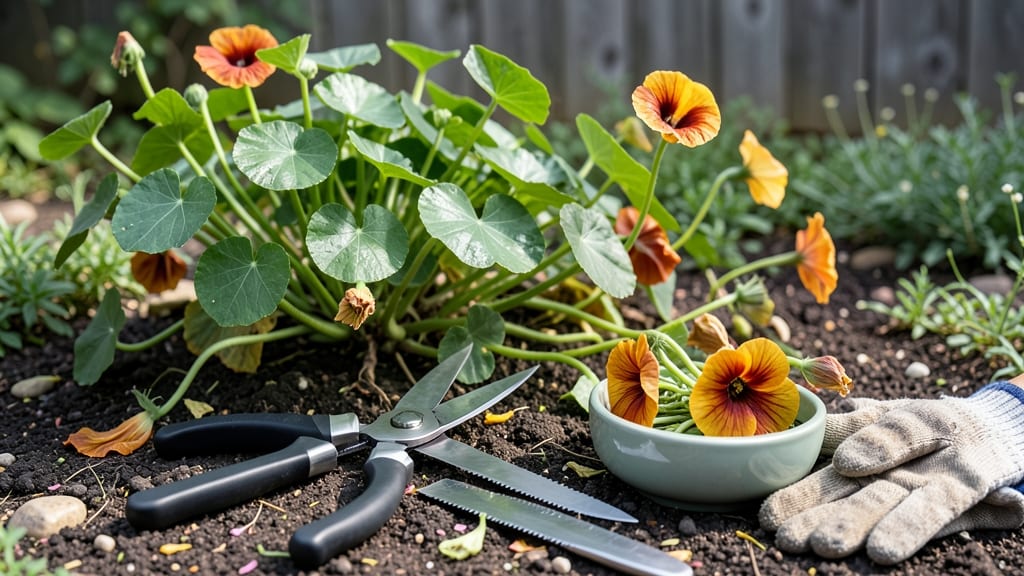
Harvesting nasturtium flowers at their peak means bright, peppery blooms for salads, garnishes, and even teas — and doing it wrong can turn your garden gold into bitter disappointment.
Picture this: you’ve nurtured your 🌸 nasturtiums all spring, watching those vibrant orange, red, and yellow buds unfurl. But when you finally pluck them, the flavor falls flat or the petals wilt faster than you’d like. That’s the difference between a perfect harvest and a wasted one.
Timing is everything. These edible beauties reach their sweetest, most flavorful peak when fully open but still crisp — not too late, or they’ll turn bitter. And the right tools (or lack of them) can mean the difference between a delicate garnish and a ruined stem.
In this guide, I’ll walk you through the exact steps to harvest nasturtium flowers without damaging your plants, plus how to store them for maximum freshness and flavor. Whether you’re adding them to a gourmet dish or drying them for winter, you’ll never second-guess your timing again.

When and how to identify perfectly ripe nasturtium flowers for harvesting
Harvesting nasturtium flowers at their peak ensures the best flavor and color for culinary use. These flowers are ready when they’re fully open but still vibrant, typically 7-10 days after budding.
The key is catching them at the right moment—too early, and they’re bitter; too late, and they lose their brightness and peppery kick.
Regional climates play a role too. In cooler zones like USDA Zone 6a, nasturtiums bloom later, often peaking in July-August, while warmer climates may see earlier harvests. Always check for fully unfurled petals and firm stems—these are your best indicators of ripeness.
Morning is the ideal time to harvest. Flowers picked in the early hours retain more moisture and flavor, making them perfect for salads or garnishes. Avoid harvesting after a hot afternoon, as this can cause wilting or a loss of vibrant color.
| Ripeness Cue | Visual Description | Harvest Tip |
|---|---|---|
| Bud Color | Fully opened, bright orange, red, or yellow | Avoid green or partially open buds |
| Petal Size | 2-3 inches wide, fully spread | Pick when petals are crisp, not wilted |
| Stem Firmness | Firm but bendable, not woody | Cut stems at a 45-degree angle for better water uptake |
| Best Time of Day | Morning (6-9 AM), after dew dries | Avoid harvesting after noon heat |
| Seasonal Variations | Cooler climates: July-August peak; warmer climates: June-September | Adjust harvest timing based on local frost dates |
Never harvest flowers that are wilted or past their prime. Overripe nasturtiums develop a bitter taste and lose their vibrant hue, making them unsuitable for culinary use. If you notice yellowing petals or drooping stems, it’s a clear sign to skip that particular bloom.
For continuous harvests, focus on picking flowers from the outermost blooms first. This encourages the plant to produce more flowers toward the center. Always leave at least 3-5 buds per stem to ensure ongoing flower production.
Regional climate impacts can’t be ignored. In humid climates, nasturtiums may bloom more prolifically but require frequent harvesting to prevent fungal issues. In dry climates, flowers may open slower—patience is key to avoiding overripe blooms.
Store harvested flowers in a paper towel-lined container in the fridge for up to 3 days. For longer storage, dry them on a screen or mesh in a shady, well-ventilated area. Dried nasturtiums retain their peppery flavor and can be used year-round in teas or garnishes.
If you’re unsure whether a flower is ready, do the "squeeze test": Gently press the petals. If they feel crisp and firm, it’s harvest-ready. If they’re soft or mushy, wait another day or two.
Remember, the goal is to balance harvesting with plant health. Over-harvesting can stress your nasturtiums, leading to fewer blooms and weaker growth. Aim to harvest no more than 1/3 of the flowers at any one time to keep your plants thriving.
Step-by-Step harvesting techniques to preserve flower quality and flavor
Harvesting nasturtium flowers at the right moment ensures their peppery flavor and vibrant color stay intact. The key is timing—pick them when fully open but before they wilt. Over-harvesting can stress your plants, so always leave at least 30% of blooms to encourage new growth.
I’ve learned that early morning harvests yield the freshest flowers, as dew can make stems slippery and delicate.
Grab your clean, sharp pruners or simply use your fingers for small stems. Avoid tools with jagged edges, as they can tear petals or damage the plant. Always cut stems at a 45-degree angle about 1 inch below the flower head.
This promotes better water uptake and prevents disease from pooling water. I’ve found that harvesting every 2-3 days keeps my nasturtiums blooming abundantly all season.
Step-by-Step Harvesting Guide
- 🌞 Step 1: Choose the Right Time
Harvest in the early morning after dew has dried but before the sun intensifies. This preserves moisture and flavor. - 🌸 Step 2: Identify Ready Flowers
Pick blooms that are fully open but still vibrant (orange, red, or yellow). Avoid wilted or green buds—they’re bitter. - ✂️ Step 3: Use the Right Tools
Use clean pruners or fingers for small stems. Cut stems at a 45-degree angle 1 inch below the flower. - 🌿 Step 4: Leave Room for Growth
Never remove more than 30% of blooms from a single plant to encourage continuous flowering. - 💧 Step 5: Handle with Care
Gently shake off excess dirt and place flowers in a bucket of cool water immediately after picking. - 🌡️ Step 6: Store Properly
Keep stems in cool water (50°F) and use within 3-5 days, or dry them for long-term storage.
One common mistake I see is harvesting flowers that are past their prime—overly wilted blooms lose their peppery kick and turn bland. Always inspect stems for woody or dry texture, which means the plant is stressed.
If you notice yellowing leaves, reduce watering slightly and avoid harvesting for a few days to let the plant recover. Over-harvesting in hot climates can also lead to bolting, where the plant focuses on seed production instead of blooms.
To extend the life of your harvested nasturtium flowers, store them in a sealed container with a damp paper towel in the fridge. This keeps them fresh for up to a week.
For long-term use, dry them by hanging small bundles upside down in a dark, well-ventilated area for 1-2 weeks. Once dry, store the petals in an airtight jar away from light. I’ve used dried nasturtiums in homemade potpourri and as a natural food coloring for years!
Remember, nasturtiums are self-pollinating, so leaving some flowers on the plant ensures seed production for next year’s garden. If you’re growing nasturtiums for culinary uses, focus on harvesting the youngest, most tender leaves and flowers.
These are the most flavorful and perfect for garnishing salads or infusing oils. With these techniques, you’ll enjoy a steady supply of vibrant, flavorful nasturtiums all season long.