
Flowers
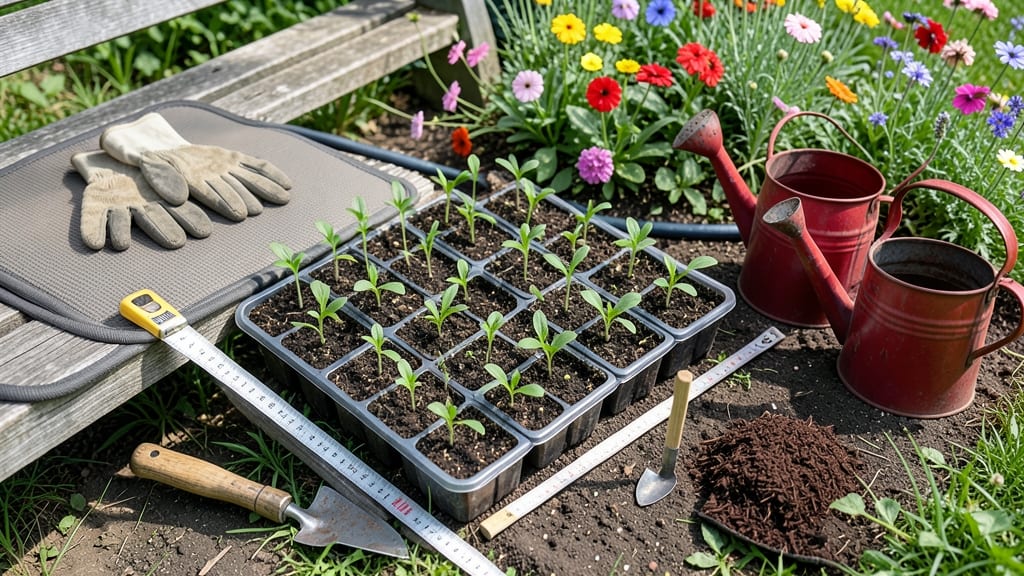
To plant flowers in the ground with perfect spacing and depth, start by digging holes just twice as wide as the root ball and 1-2 inches deeper than the plant’s container—this ensures roots spread without bending.
Transforming your yard into a vibrant, year-round flower garden starts with the right planting techniques—because even the most beautiful blooms need perfect spacing and depth to thrive.
Most gardeners overlook soil prep, but loosening the ground to 12 inches deep and mixing in compost is the key to strong roots and longer-lasting blooms.
Below, I’ll walk you through the exact spacing rules for annuals, perennials, and bulbs, plus how to adjust for your USDA Zone 6a climate and seasonal shifts.


Step-by-step guide to planting flowers in the ground for maximum growth
Planting flowers in the ground might seem simple, but getting the spacing and planting depth right makes all the difference between a thriving garden and one that struggles.
Whether you're planting annuals for summer color or perennials that return year after year, these steps will help your flowers establish strong roots and bloom abundantly.
Before you start, check your last frost date (typically mid-April in Zone 6a) to ensure you’re planting at the right time. Most flowers prefer to be planted after the soil warms up, but cool-season flowers like pansies can handle early spring.
The key is preparing your soil properly—loose, well-draining soil with added compost gives roots the best start.
-
1. Choose the Right Location
Select a spot with 4-6 hours of sunlight (adjust for shade-loving flowers like impatiens). Avoid low areas where water pools.
-
2. Test and Amend Your Soil
Use a soil test kit to check pH (most flowers prefer 6.0-7.0). Mix in 2-3 inches of compost or aged manure to improve drainage and nutrients.
-
3. Dig Holes Correctly
For annuals, holes should be twice as wide as the root ball but only as deep. For perennials, dig holes 1-2 inches deeper than the root ball to encourage root growth.
-
4. Space Plants Properly
Check mature plant size—small flowers like marigolds need 6-12 inches apart, while roses require 3-5 feet. Overcrowding leads to disease and poor airflow.
-
5. Plant with Care
Gently remove the plant from its container, loosen roots if pot-bound, and place it in the hole. Backfill with native soil, tamping lightly to remove air pockets.
-
6. Water Deeply After Planting
Give plants a deep watering to settle soil and encourage root contact. Use 1-2 gallons per plant for larger varieties.
-
7. Mulch for Moisture Retention
Apply 2-3 inches of mulch (straw or shredded bark) around the base, keeping it 2 inches away from stems to prevent rot.
-
8. Monitor and Maintain
Check for pests or wilting weekly. Fertilize lightly with a balanced 10-10-10 formula every 4-6 weeks during the growing season.
One common mistake is planting flowers too deep, which can suffocate roots and lead to rot. For example, petunias should sit just below soil level, while tulip bulbs need to be buried 6-8 inches deep. Always follow the plant tag instructions—they’re your best guide!
After planting, resist the urge to overwater. Consistent moisture is key, but soggy soil can drown roots. Water in the morning to reduce evaporation and fungal risks. If you’re planting in hot summer months, consider using drip irrigation to keep soil evenly moist.
For perennials, the first year is all about root establishment. They may not bloom much initially, but with proper care, they’ll reward you with years of color. Annuals, on the other hand, need more frequent deadheading (removing spent blooms) to encourage continuous flowering.
Remember, the best gardens grow from patience. Give your flowers time to adjust, and soon you’ll have a lush, blooming paradise that attracts pollinators and brightens your space year after year. Happy planting! 🌸
Best flower spacing and depth chart by type for optimal blooms
Getting the spacing and planting depth right is the secret to a lush, thriving flower garden. Too close? Your plants will compete for nutrients and sunlight. Too deep? Roots may rot.
Each flower type has unique needs, and understanding them ensures abundant blooms all season long. Let’s dive into the science-backed spacing and depth guidelines for your favorite flowers.
I’ve planted everything from delicate tulips to sprawling roses, and the difference between a crowded mess and a showstopping garden comes down to these two factors. Proper spacing improves air circulation, reducing disease risk, while correct depth ensures strong root development.
Whether you’re designing a border garden or filling containers, these guidelines will help you avoid common mistakes.
Note: Always adjust for your soil type—sandy soil drains faster, so deeper planting may be needed, while clay soil may require shallower depths to prevent waterlogging. Now, let’s get to the specifics with this easy-to-follow chart.
For bulbs like tulips, planting depth is critical—their tops should be 6-8 inches below the soil surface to prevent frost heave. Meanwhile, annuals like marigolds and petunias need shallow planting to encourage quick germination.
Perennials like lavender and roses require deeper roots, so don’t skimp on the hole depth. Always water thoroughly after planting to settle the soil around roots.
Pro tip: Use a spacer tool or mark your planting spots with sticks to maintain even distances. Overcrowding leads to weak stems and fewer blooms, while proper spacing ensures each plant gets the sunlight and water it needs.
For tall flowers like sunflowers, plant them at the back of your garden bed to avoid shading smaller plants.
Now that you’ve got the spacing and depth down, your flowers are on their way to becoming the star of your garden. Just remember: consistent watering and regular mulching will keep them thriving all season long. Happy planting! 🌸