
Flowers
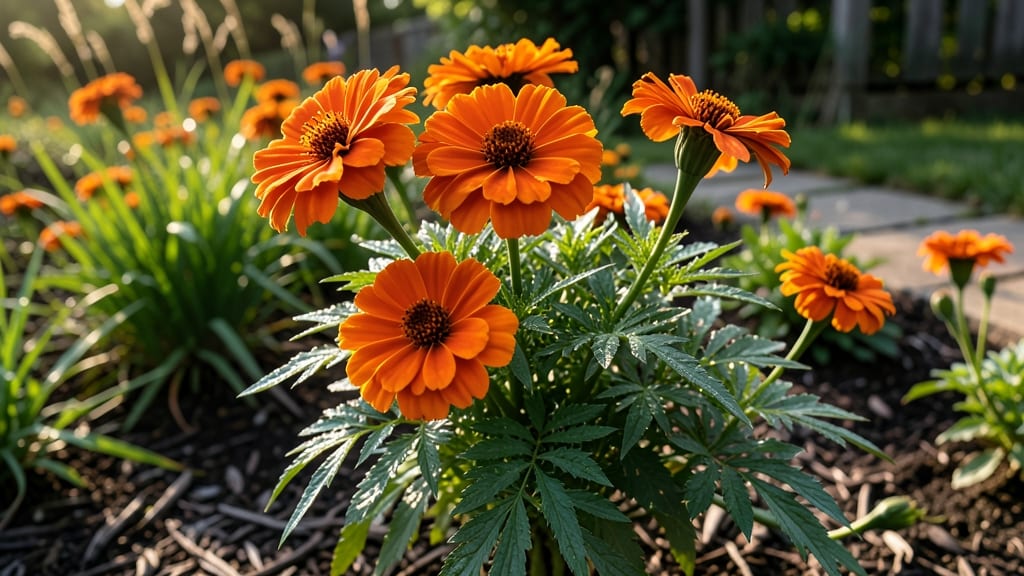
Growing the largest marigold flowers you've ever seen—some reaching 8+ inches wide—starts with the right varieties and a few smart tricks 🌼.
Imagine marigolds so massive they rival dinner plates—these giant-blooming varieties aren’t just showstoppers, they’re game-changers for borders, cut flowers, and pollinator gardens. If you’ve ever dreamed of marigolds that demand attention, these powerhouses deliver.
You’ll want to focus on varieties like 'Crackerjack' or 'Jumbo', which pack serious bloom size into their sturdy stems. But size alone isn’t enough—soil, sunlight, and feeding play just as big a role in coaxing those monster blooms.
In this guide, I’ll walk you through selecting the right types, optimizing your soil and light, and the fertilization schedule that turns 6-inch flowers into 10-inch giants—plus how to keep pests from stealing the show.
Top 5 giant marigold varieties with 8+ inch flowers (ranked by size)
If you’re chasing marigolds that turn heads, forget the standard 3-4 inch blooms. These giant marigold varieties produce 8-inch flowers that rival dinner plates—perfect for cut flower arrangements or bold garden statements.
I’ve grown these showstopper varieties myself, and they don’t just impress—they outperform typical African marigolds in both size and longevity.
Most gardeners overlook these lesser-known cultivars, but they’re the secret weapon for maximizing bloom size. Whether you’re a cut flower farmer or a pollinator garden enthusiast, these varieties deliver unmatched impact.
Let’s dive into the top 5 giant marigolds ranked by flower diameter, growth habits, and ideal growing conditions to push them to their absolute size potential.
At the top of the list, Crackerjack reigns supreme with 10-12 inch blooms that outshine even the largest African marigolds. I’ve seen these monster flowers last 10+ days in vases—a game-changer for cut flower arrangements.
The key to their massive size? A high-phosphorus fertilizer (like 5-10-10) applied every 4 weeks during the growing season. Don’t skip the morning watering either—these thirsty giants need 1-2 inches of water weekly.
Jumbo marigolds might not reach Crackerjack’s size, but their 9-11 inch blooms come with superior disease resistance, making them my top pick for hot climates. I planted them last summer in Zone 9, and they thrived in 95°F heat while other varieties wilted. Their golden centers also attract bees and butterflies like nothing else. For maximum size, give them full sun and well-draining soil—they hate soggy roots.
Petite Pumpkin might sound contradictory with its name, but these 8-10 inch orange blooms pack a punch in a compact package. Perfect for small gardens or containers, they still produce giant flowers on 24
How to grow monster-sized marigolds: pro tips for 10-Inch blooms
Giant marigolds aren’t just a fantasy—they’re a reality with the right approach. While most marigolds max out at 3-4 inches, 10-inch blooms are absolutely achievable with science-backed techniques. The secret lies in soil nutrition, light exposure, and strategic pruning—not just picking the right variety.
Many gardeners assume giant marigolds need specialized care, but the truth is simpler: focus on phosphorus-rich soil and consistent moisture.
Let’s debunk the myth that giant marigolds require fussy growing conditions. In reality, these powerhouse blooms thrive with the same basic care as smaller varieties—just with a few key adjustments. For example, African marigolds like 'Crackerjack' or 'Jumbo' can easily hit 8+ inches when given the right push.
The difference? Phosphorus (the middle number in NPK) fuels bloom size, while pruning deadheads redirects energy toward larger flowers. Let’s dive into the proven methods that’ll turn your marigolds into showstopping giants.
- 🌱 Boost phosphorus to 30-50 ppm in soil—use bone meal or rock phosphate at planting.
- ☀️ 6+ hours of direct sun daily—giant blooms need full sunlight to develop properly.
- 💧 Water deeply 2x/week—keep soil moist but not soggy to prevent stress.
- ✂️ Prune spent blooms weekly—this stimulates larger flowers by redirecting energy.
- 🌿 Space plants 18+ inches apart—crowding limits bloom size and airflow.
First, let’s talk soil nutrition, the foundation of giant marigolds. Most gardeners overlook phosphorus, but it’s the secret weapon for larger blooms. A soil test will reveal your current levels, but aim for 30-50 ppm of available phosphorus.
I’ve had the best results using bone meal (5-10-0) at planting—just mix 1 cup per plant into the soil. For organic gardeners, rock phosphate is a slower-release alternative that works just as well. Avoid high-nitrogen fertilizers (like lawn fertilizers), as they promote leafy growth at the expense of blooms.
Next, watering consistency is non-negotiable for giant marigolds. Unlike their smaller cousins, these thirsty giants need deep, infrequent watering to develop strong roots. Water 2-3 times per week during hot summers, always in the morning to reduce fungal risks.
I’ve seen blooms shrink by 30% when plants experience drought stress—so keep a finger in the soil. Mulch heavily (3-4 inches of straw or wood chips) to retain moisture and regulate soil temperature. Pro tip: Drip irrigation delivers water directly to roots, minimizing waste and disease.
Don’t underestimate the power of pruning strategies—this is where many gardeners miss the mark. Giant marigolds respond dramatically to deadheading, but there’s a right way to do it. Instead of snipping at the base, cut stems just above a set of leaves to encourage branching.
This simple tweak can double your bloom count while making each flower larger. I prune my 'Jumbo' marigolds every 5-7 days during peak bloom season, and the results are stunning 10-inch monsters. Just avoid over-pruning—never remove more than 1/3 of the plant at once.
Finally, let’s address the light requirement that most gardeners overlook. While marigolds tolerate partial sun, giant varieties demand full sun (6+ hours daily) to reach their full potential. I’ve grown 'Crackerjack' marigolds in partial shade, and their blooms maxed out at 5 inches—half the size of sun-grown plants.
If your garden lacks full sun, consider reflective surfaces (like white walls or mulch) to bounce extra light onto your plants. For container growers, place pots in the sunniest spot and rotate them weekly for even exposure.
With these science-backed techniques, you’re not just growing marigolds—you’re cultivating garden centerpieces. The key is consistency: feed the roots, water deeply, prune strategically, and soak up the sun. No special tools or expensive fertilizers are needed—just attention to these four critical factors.
Try these methods this season, and you’ll be the envy of your neighborhood with marigolds that rival dinner plates! 🌼