
Flowers
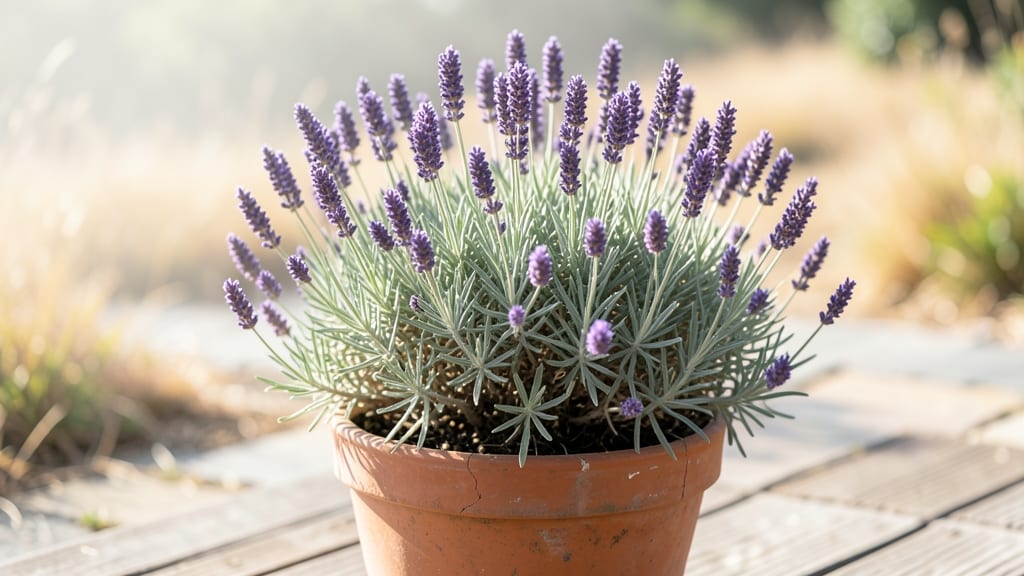
The delicate purple spikes of lavender aren’t just beautiful—they’re a fragrant staple in gardens, perfumes, and even relaxation rituals. But timing your lavender planting perfectly ensures lush blooms that fill your summer with intoxicating scent.
In USDA Zone 6a, like much of the Midwest, planting in March or April gives lavender the head start it needs. Too early, and frost can damage tender roots; too late, and the heat arrives before the flowers set, leaving you with woody stems and no blooms.
Below, I’ll break down the exact planting window for your region, how to coax longer blooms with simple care, and the one pruning trick that keeps lavender flowering for years.
Best planting times for lavender by US climate Zones
Timing your lavender planting is crucial for summer blooms that last all season. In the US, lavender thrives in Zones 5-9, but the ideal planting window shifts depending on your region's last frost date and summer heat tolerance.
Plant too early, and frost may damage young plants; too late, and they won't establish roots before summer's peak heat.
For most gardeners, early spring (4-6 weeks before last frost) or early fall (6-8 weeks before first frost) offers the best results. These windows give lavender time to root deeply before extreme temperatures arrive.
Let's break down the best strategies for each USDA zone to ensure your lavender flourishes and blooms.
📌 Pro Tip: Lavender is drought-tolerant once established, but young plants need consistent moisture during their first growing season. Mulch lightly to retain soil moisture without suffocating roots.
| USDA Zone | Best Planting Window | Bloom Time | Key Considerations |
|---|---|---|---|
| Zones 5-6 | Early spring (April-May) or early fall (September) | June-August | Cold-hardy varieties like 'Munstead' or 'Hidcote'; protect from late frosts with mulch. |
| Zones 7-8 | Early spring (March-April) or late summer (August) | May-July | Heat-tolerant varieties like 'Provence' or 'Grosso'; avoid planting in peak summer heat. |
| Zone 9 | Fall (October-November) or winter (December-January) | March-April | Plant in cooler months to avoid summer stress; varieties like 'Spanish' thrive in mild winters. |
In Zones 5-6, where winters are colder, focus on early spring planting (April-May) to give lavender time to establish before summer's heat. Varieties like 'Munstead' or 'Hidcote' are cold-hardy and perfect for these regions.
If you prefer fall planting, aim for September to allow roots to settle before winter dormancy.
For Zones 7-8, where summers are hotter, early spring (March-April) is ideal to avoid summer stress. If you must plant in summer, choose late August to give plants time to root before winter. Heat-loving varieties like 'Provence' or 'Grosso' thrive here but need protection from intense afternoon sun.
Gardeners in Zone 9 have a unique advantage—they can plant lavender in fall or even winter (October-January). This timing avoids the brutal summer heat. Varieties like 'Spanish' lavender are well-suited to these mild winters and will bloom beautifully in March-April.
Regardless of your zone, always plant lavender in well-draining soil and a location with full sun (6+ hours daily). Poor drainage is the #1 killer of lavender, so amend heavy soils with sand or gravel. A south-facing slope can also improve drainage and airflow.
After planting, water deeply but infrequently—lavender hates soggy roots. Once established, these plants are drought-tolerant and require minimal care. Mulch lightly with gravel or straw to keep roots cool and conserve moisture without smothering the plant.
🌱 Remember: Lavender planted in early spring will often bloom in its first year, while fall-planted lavender may wait until the following summer. Patience pays off with fragrant, long-lasting blooms!
How to extend lavender flower time with proper care
Lavender’s fragrant blooms can last longer than you think—with the right care, your purple spikes can keep flowering well into late summer or even early fall. The key lies in mimicking its Mediterranean roots with minimal water, sharp pruning, and nutrient-rich soil.
I’ve learned that lavender rewards patience, especially when you adjust your approach after the first flush of flowers fades.
Most gardeners stop caring after the initial June-July blooms, but lavender actually produces secondary blooms if given the right conditions. The secret? A combination of pruning at the right time, soil that drains like a desert, and companion plants that protect its roots.
Let me walk you through the exact steps I use to extend my lavender’s flower time by 3-4 weeks each season.
Cut back 1/3 of growth with clean bypass pruners in mid-July to encourage secondary blooms.
Soak roots 6-8 inches deep every 10-14 days in summer—never let soil stay damp.
Mix in coarse sand or perlite (20%) to prevent root rot—lavender hates soggy soil.
These drought-loving companions share lavender’s water needs and repel pests naturally.
One of my biggest mistakes was pruning lavender too late in the season—I thought waiting for flowers to fade would help, but it actually stunted new growth. Now, I prune immediately after the first blooms drop, using sterilized shears to avoid disease.
This single step has extended my English lavender’s bloom time from 6 weeks to nearly 3 months!
For soil prep, I swear by a mix of 50% native soil, 30% coarse sand, and 20% compost. The sand is non-negotiable—lavender’s roots rott quickly in clay or loam.
I also add a slow-release phosphorus fertilizer (like 5-10-10) in early spring to fuel those purple spikes. Too much nitrogen, though, and you’ll get leafy growth instead of flowers.
Don’t overlook the power of companion planting! I’ve found that pairing lavender with rosemary, thyme, or sage creates a fragrant microclimate that deters pests like aphids and lavender moths.
Plus, these herbs share the same watering needs, so you’re not constantly juggling schedules. A 3-foot radius around each lavender plant works perfectly for this setup.
With these techniques, my lavender bushes now bloom from late June through September, filling my garden with that signature calming scent. The best part? Once established, lavender becomes low-maintenance—just remember to prune annually, water deeply but infrequently, and keep soil gritty.
Your garden will thank you with months of fragrant purple perfection! 🌸