
Blooming
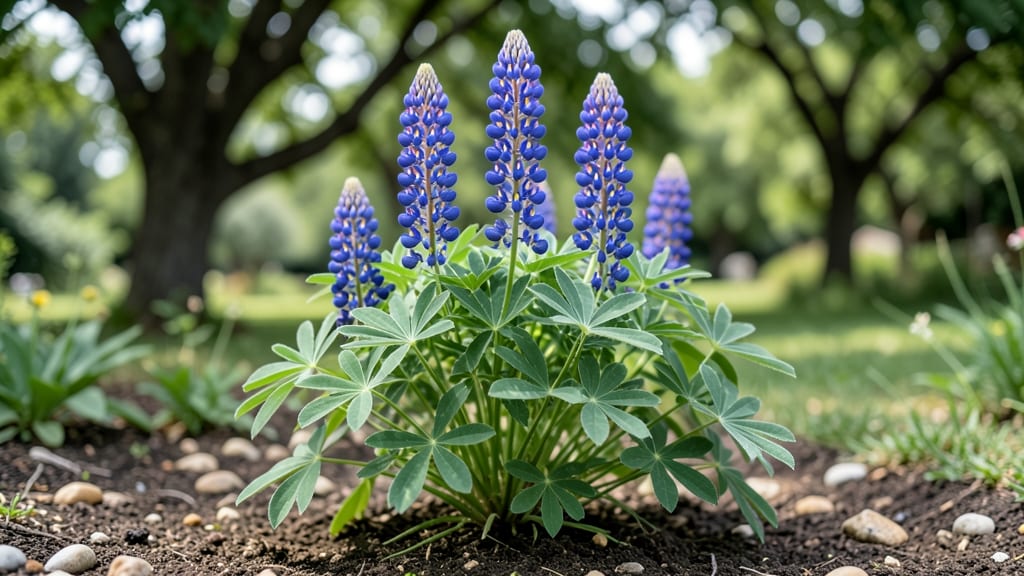
The lupine flowering season is a breathtaking spectacle of sky-blue spikes that transform gardens into living art 🌸 — but timing is everything.
If you’ve ever spotted a field of lupines and gasped at their towering sky-blue spikes, you might’ve missed the best time to see them. Their flowering season is fleeting and full of surprises, often lasting just 4-6 weeks depending on your region and the variety.
Most lupines bloom in late spring to early summer, with USDA Zone 6a gardeners catching their peak in May or June. However, cooler climates may delay blooms until July, while warmer areas could see earlier displays in April.
In this guide, you’ll discover exactly when to expect those vibrant blooms, how to extend the season with simple care tips, and why some lupines bloom earlier than others — so you never miss another show.
When lupines bloom: exact flowering season by region and species
Lupines are nature’s showstoppers, with their striking sky-blue or purple spikes that seem to defy gravity. But timing is everything—these biennial or perennial beauties bloom for just 4-6 weeks, depending on your USDA zone and the specific lupine species.
Miss their peak, and you’ll be left staring at green foliage instead of vibrant blooms. Let’s break down when to expect those iconic flower spikes in your area.
Most gardeners assume lupines bloom in late spring, but the truth is more nuanced. Spring-blooming varieties like Lupinus polyphyllus (the classic Russian lupine) burst into color April through June in cooler climates, while summer-blooming species such as Lupinus arboreus (tree lupine) shine from June to August in warmer regions.
Even within the same species, local weather patterns can shift blooms by 2-4 weeks, so knowing your hardiness zone is key.
Here’s the secret: lupines are temperature-sensitive. They need cool spring nights (below 60°F) to trigger blooming, but heatwaves can delay or stunt flowers. In Zone 5-6, expect blooms as early as late April, while Zone 8-9 gardeners often see them in May or June.
Mountain regions may bloom earlier due to cooler temps, while desert areas might see delayed or sparse blooms.
| Species | Bloom Time | USDA Zones | Height | Notes |
|---|---|---|---|---|
| Lupinus polyphyllus (Russian Lupine) | April–June | 3–9 | 3–5 ft | Classic blue/purple spikes; biennial in cold zones. |
| Lupinus arboreus (Tree Lupine) | June–August | 6–10 | 2–4 ft | Summer bloomer; drought-tolerant once established. |
| Lupinus perennis (Wild Lupine) | May–July | 4–8 | 1–2 ft | Native butterfly magnet; prefers moist soil. |
| Lupinus nanus (Dwarf Lupine) | April–May | 5–9 | 6–12 in | Early bloomer; ideal for rock gardens. |
| Lupinus mutabilis (Andean Lupine) | July–September | 7–10 | 3–5 ft | Late-season; edible seeds; loves heat. |
To predict lupine blooms in your area, start by checking your USDA hardiness zone and local last frost date. Lupines typically need 60–80 days of cool weather after sprouting to set buds.
For example, in Zone 7, where I garden, my Lupinus polyphyllus seeds sown in August bloom in May of the following year. But if I plant them in spring, they’ll often bolt to seed instead of flowering.
Local weather plays a bigger role than you’d think. A cold snap in April can push blooms 2 weeks later, while a warm winter might trick lupines into blooming earlier. In drought-prone areas, like Zone 9–10, lupines may skip flowering entirely if soil stays too dry.
That’s why I always mulch heavily in fall to retain moisture—it’s made my Lupinus arboreus bloom 2 weeks longer each summer.
If you’re planning a lupine-filled border or hoping to attract butterflies and bees, aim to plant multiple species with staggered bloom times. For instance, pair Lupinus nanus (early April–May) with Lupinus arboreus (late June–August) to enjoy continuous color.
Pro tip: Deadhead spent blooms to encourage a second flush of flowers, especially with perennial varieties like Lupinus perennis.
Don’t overlook microclimates in your garden.
How to maximize lupine blooms in your garden: planting and care tips
Lupines reward gardeners with their stunning sky-blue flower spikes, but their blooming season can feel short-lived if you don’t optimize their growing conditions. The key to longer, more abundant flowers lies in proper planting techniques and consistent care.
Unlike many flowers, lupines thrive with minimal fuss—but they do need specific conditions to perform their best.
First, let’s tackle the soil preparation, which is critical for lupines. These plants love well-draining, slightly acidic soil with a pH between 6.0 and 7.0. If your garden soil is heavy clay or alkaline, amend it with compost or peat moss to improve drainage and acidity.
Lupines also benefit from a light phosphorus boost at planting time, as this nutrient encourages strong root and flower development.
Don’t overlook the power of mulching to protect lupines from temperature swings. Apply a 2-inch layer of organic mulch (like straw or wood chips) around the base to retain moisture and regulate soil temperature.
This is especially helpful in hot climates, where lupines can struggle with heat stress. Mulching also suppresses weeds, which compete for nutrients and water.
For longer blooming seasons, consider planting a mix of early, mid, and late-season varieties. For example, ‘Russell Hybrid’ blooms in early summer, while ‘Chief Joseph’ extends into late summer. This staggered approach ensures your garden stays vibrant from June through September.
If you’re in a cooler climate (USDA Zone 3-5), start seeds indoors in late winter to give them a head start.
Finally, lupines are self-seeding champions, so let some spent flowers go to seed to create a natural succession of blooms year after year. Just be prepared for them to pop up in unexpected spots—this is a sign of their hardiness and resilience!
With these care tips, your lupines will reward you with taller spikes and more vibrant blooms than you’ve ever seen.
🌸