
Flowers
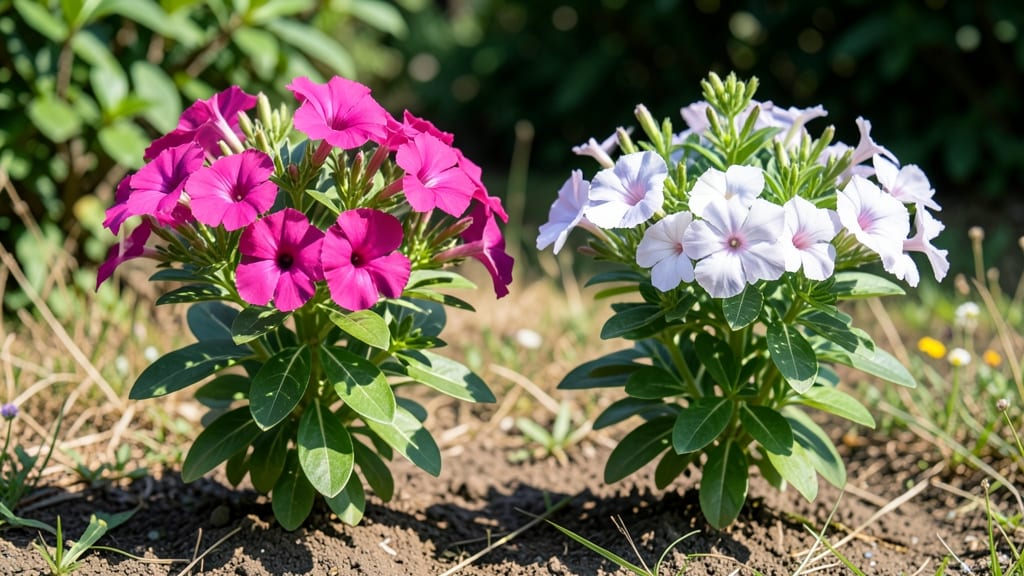
Vinca flowers thrive in sun or shade 🌸, making them the ultimate low-fuss choice for gardeners who refuse to compromise on color.
Picture this: a patch of vinca blooming bright pink in a shady corner one season, then moving to a sunny border the next—without missing a beat. That’s the magic of these tough little plants, and it’s why they’re a staple in gardens from USDA Zone 6a to the South.
But here’s the catch: how you care for them changes depending on light. Too much sun can scorch the leaves, while too little shade might slow the blooms. I’ll show you how to read your vinca’s signals—yellowing foliage, sparse flowers—and adjust care to keep them vibrant all season.
By the end, you’ll know exactly where to plant vinca for year-round color, how often to water, and the simple tricks to turn leggy stems into bushy, blooming powerhouses.
 Best Window Placement
How Vinca flowers adapt to sun vs. shade: light requirements explained
Vinca flowers—like Vinca minor (creeping myrtle) and Vinca major (bigleaf periwinkle)—are famous for their adaptability. Whether you have a sun-drenched patio or a shady woodland garden, these plants deliver year-round color with minimal fuss.
Their secret? Flexible light requirements that let them thrive in partial shade or morning sun, though their foliage color and bloom intensity shift dramatically based on exposure.
In full sun, vincas grow taller stems and brighter blooms, but their leaves may fade to lighter green. In deep shade, they sprawl wider with darker, glossier foliage and fewer flowers.
The key is understanding how to balance their needs—because even the hardiest vincas show stress signs like yellowing leaves or sparse blooms when pushed too far.
Here’s how to match your vincas to their ideal light conditions, plus how to troubleshoot common issues so your plants stay lush and blooming.
For shady gardens, Vinca minor is your best bet—it thrives under tree canopies and even north-facing walls. Its dark green leaves stay vibrant, though you’ll see fewer blooms than in sunnier spots.
To boost flowers, prune back leggy stems in early spring and fertilize lightly with a balanced 10-10-10 mix to encourage blooming.
In sunny locations, Vinca major and its cultivars shine with bold purple blooms. However, afternoon sun can scorch leaves, so morning sun or dappled shade works best. If your vincas start looking crispy-edged, move them to a shadier spot or mulch heavily to retain moisture.
Watch for these red flags: Yellow leaves often mean overwatering in shade or poor drainage. Sparse blooms? Your vinca might need more sunlight or a spring pruning to encourage new growth.
And if stems stretch too long, it’s begging for better light or a harder prune to compact its shape.
Pro tip: Test your spot before planting. Vincas in full shade may need artificial light (like a grow bulb) to keep foliage lush. In hot climates, afternoon shade prevents heat stress, while cooler zones can handle more direct sun.
Adjust based on your USDA zone—vincas in Zone 6+ handle sun better than those in Zone 4.
Remember: Vinca’s adaptability is its superpower, but small tweaks—like pruning
Best Vinca varieties for sun-loving and shady gardens: a color guide
Vinca flowers shine in any light condition, but choosing the right variety transforms your garden into a year-round color show. Whether you battle deep shade under trees or need sun-resistant blooms for hot borders, vinca delivers.
Let’s explore 10 standout cultivars that thrive where others fail, plus their perfect companion plants for maximum impact.
From deep purple velvets to sunny yellow chartreuse, vinca’s foliage and blooms adapt beautifully. The key? Matching light tolerance to your garden’s microclimate. For example, 'Illumination' glows in shade, while 'La Grave' handles full southern sun without wilting. Let’s dive into the color palette and placement secrets.
For shady spots, 'Illumination' and 'Moonlight' are game-changers. Their chartreuse foliage brightens dark corners, while white and pink blooms create a dreamy effect. Pair them with hostas or ferns to amplify the lush, woodland vibe.
In full sun, 'La Grave'’s deep purple blooms contrast stunningly with yellow coreopsis or silver lamb’s ear.
Pro tip: Vinca’s foliage color shifts with light—more sun = deeper green, while shade intensifies variegation. For example, 'Grape Cooler'’s silver leaves glow brighter in partial shade. To enhance this, plant near evergreen shrubs like boxwood or hemlock for year-round structure and contrast.
Don’t overlook dwarf varieties like 'Minima Alba' for rock gardens or spilling over container edges. Their 6-inch height makes them perfect for edging pathways or filling gaps between stepping stones. Combine with creeping thyme or ajuga for a low-maintenance, pollinator-friendly ground cover.
Ready to transform your garden?