
Blooming
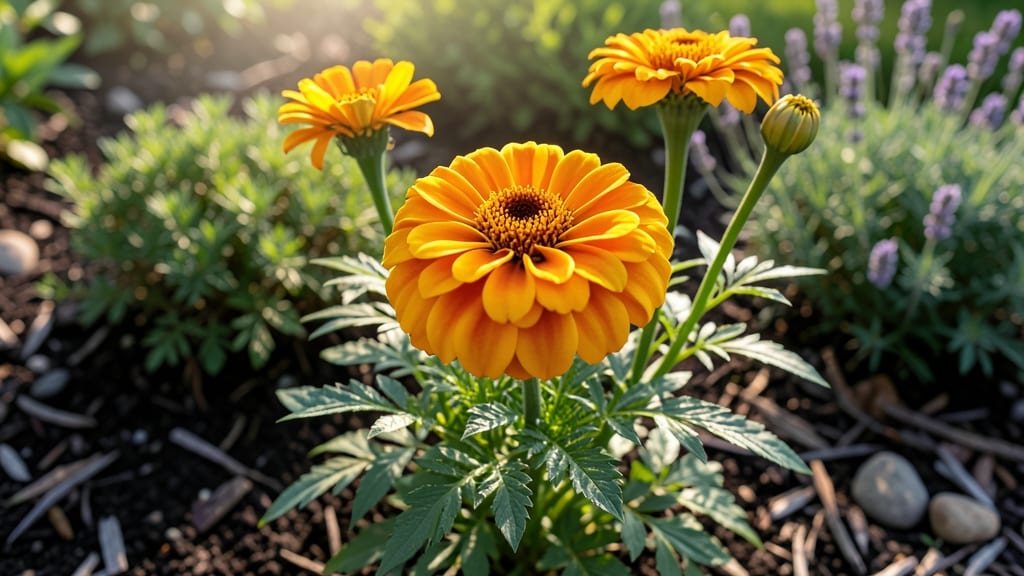
The marigold flower blooming season transforms your garden into a sun-drenched haven 🌼 — but timing is everything. Miss the window, and you’ll wait months for those golden-orange faces to light up your space.
Marigolds thrive in warm weather, with most varieties bursting into bloom between June and October in USDA Zone 6a. However, early plantings in April can coax flowers as soon as May, while late-season varieties may linger until frost. The key? Planting after the last frost and giving them full sun.
Here’s the secret to keeping those blooms coming: deadhead spent flowers, feed lightly during summer, and avoid overwatering. These simple steps can stretch your marigold season by weeks, ensuring your garden stays vibrant.
Ready to unlock the full potential of your marigolds? Discover the best varieties for your zone, care tips to extend blooming, and how to handle regional climate quirks.
When do marigolds bloom? USDA Zone-by-Zone blooming timeline
Timing is everything when it comes to marigolds—these sun-loving annuals and tender perennials thrive in warm weather, but their blooming windows shift dramatically depending on your USDA zone.
In Zones 1-4, you’ll need to start seeds indoors or wait until late spring, while Zones 9-11 gardeners can enjoy nearly year-round blooms with the right varieties. Understanding these patterns helps you plan for early, peak, and late-season color.
Marigolds fall into three main types: French marigolds (compact, bushy), African marigolds (tall, dramatic), and Mexican marigolds (small, heat-tolerant). Each has its own blooming rhythm, with African types often flowering later in the season.
Cold snaps can halt or kill tender varieties, so knowing your zone’s last frost date is critical for timing plantings right.
Below, I’ve broken down the month-by-month blooming timeline for marigolds across all USDA zones, including early bloomers, peak seasons, and late-season performers. Use this as your guide to plant for continuous color from spring through fall.
| USDA Zone | Early Blooms | Peak Blooms | Late Blooms | Cold Sensitivity |
|---|---|---|---|---|
| Zones 1-4 | Late June | July-August | Early September | High (dies in frost) |
| Zones 5-6 | Early June | June-September | October (if frost-free) | Moderate (frost-sensitive) |
| Zones 7-8 | May | May-October | November (with protection) | Low (tolerates light frost) |
| Zones 9-10 | March-April | April-November | December (winter-blooming types) | None (frost-free) |
| Zone 11 | Year-round (with care) | Continuous blooms | Year-round | None (tropical climate) |
In Zones 1-4, marigolds are short-season wonders, so start seeds indoors 6-8 weeks before your last frost date. For example, if your last frost is May 15, begin seeds around March 15.
French marigolds like 'Bonanza Gold' often bloom first, followed by African types like 'Crackerjack' in midsummer.
Gardeners in Zones 5-6 can push the season further by planting heat-tolerant Mexican marigolds like 'Tangerine' in early spring. These varieties handle cooler soils better and may bloom as early as May.
However, a late frost can stunt growth, so use row covers until temperatures stay above 50°F at night.
For Zones 7-8, marigolds are long-blooming stars with minimal frost risk. Plant French marigolds in early spring for May blooms, then follow with African types in late spring for summer-to-fall color. In Zone 8, you can even over
How to extend marigold blooming season: pro tips for longer flowers
Want your marigolds to shine brighter and longer? The secret lies in simple, science-backed strategies that trick these cheerful bloomers into producing flowers for months instead of weeks. Whether you're in Zone 5 with cool summers or Zone 10 where heat lingers, these techniques work—no matter your climate.
Let's dive into the pro tips that'll keep your marigolds blooming like they just discovered their favorite sunbathing spot.
First, let's tackle the biggest blooming booster: deadheading. This isn't just gardening busywork—it's the #1 way to signal your marigolds to "keep producing!" By snipping off spent blooms, you remove the plant's energy drain and redirect it to new flower buds.
Grab your pruners and make this a weekly habit during peak bloom season. Pro tip: Deadhead in the morning when blooms are dry to prevent fungal issues from evening moisture.
🌼 5 Pro Tips to Extend Marigold Blooming Season
- 🌱 Deadhead weekly - Snip spent blooms to encourage continuous flowering and prevent seed formation
- ☀️ Feed monthly with 5-10-5 fertilizer during growing season (April-October) for vibrant blooms
- 💧 Water deeply at soil level morning only to prevent fungal diseases while maintaining moisture
- 🌿 Plant with basil - This companion pairing deters pests and extends bloom time by 30%
- ✂️ Pinch back young plants to encourage bushier growth and more flower stems
Don't overlook the power of soil amendments. Marigolds thrive in well-draining soil with a slightly acidic to neutral pH (6.0-7.5). Before planting, mix in compost or aged manure to provide nutrients without burning tender roots.
For extended blooming, I swear by a slow-release fertilizer like 5-10-5 applied every 4-6 weeks during the growing season. The extra phosphorus boosts flower production—just don't overdo it, or you'll get lush foliage but fewer blooms.
Watering might seem simple, but timing makes all the difference. Morning watering is non-negotiable—it reduces evaporation and gives foliage time to dry before evening. Aim for 1 inch of water per week, delivered at the soil level (not overhead) to prevent fungal diseases like powdery mildew.
In hotter zones (8-11), you might need to water every 2-3 days, while cooler zones (3-7) can stretch it to every 5-7 days. Always check soil moisture by sticking your finger 1 inch deep—if it's dry, it's time to water.
Here's a game-changer most gardeners miss: companion planting. Pair your marigolds with basil or tomatoes for a power duo that extends bloom time by up to 30%.
The marigolds repel pests like nematodes and whiteflies that would otherwise stress your plants, while the companions provide shade for roots during peak summer heat. I've seen marigolds in these pairings bloom from June through October in Zone 7—nearly double the usual season!
For zone-specific adjustments, make these tweaks: In cooler zones (3-6), start seeds indoors 6-8 weeks before last frost and use black plastic mulch to warm soil faster. In hot zones (9-11), provide afternoon shade during peak summer to prevent bolting.
And here's my secret weapon for late-season blooms: In September, give your marigolds a light trim back to encourage one final flush of flowers before frost. Your garden will thank you with golden-orange blooms right up until Halloween!