
Blooming
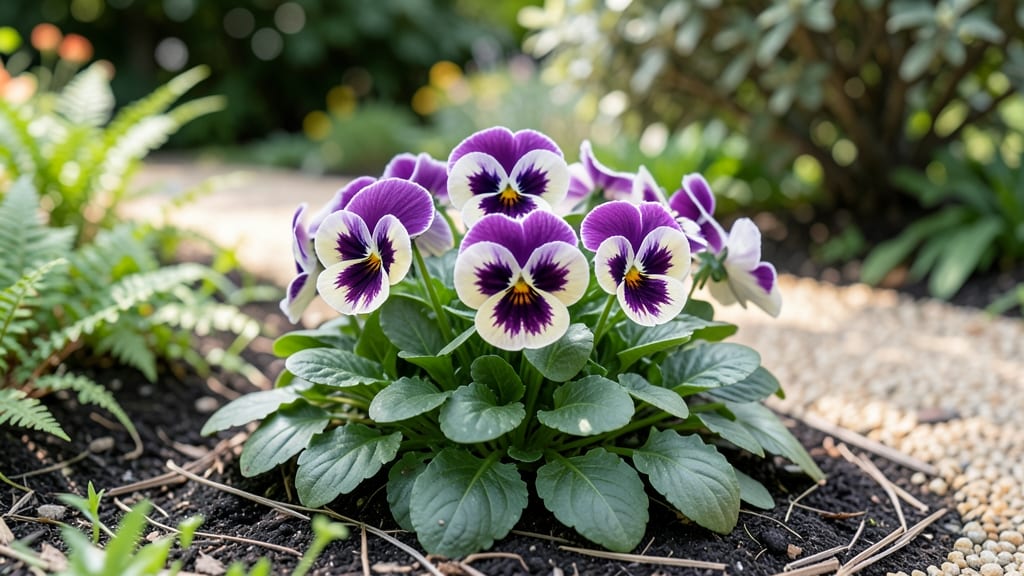
Your pansies will thrive during the flowering season in spring and fall 🌸 — but the timing depends on where you live and how you care for them.
Picture this: a garden bursting with color in early spring, only to fade by summer — unless you know the secret to extending their flowering season. Pansies are tougher than they look, and with the right tricks, you can enjoy their cheerful faces well into fall.
From USDA Zone 6a to warmer climates, the flowering window shifts. Early spring blooms arrive as soon as the soil warms, while fall varieties hold on until the first frost. The key? Planting at the right time, deadheading spent blooms, and giving them the perfect balance of sun and shade.
In this guide, I’ll break down the natural flowering timeline, regional variations, and five proven hacks to keep your pansies blooming for months longer. Whether you’re a first-time gardener or a seasoned pro, these tips will help you maximize your garden’s color.
Pansy flowering season: natural timeline by climate Zone
Pansies thrive as seasonal sentinels, blooming when most gardens are still dormant or winding down. Their flowering season varies dramatically by USDA hardiness zone, with some varieties pushing limits in winter while others struggle past mid-summer.
Understanding these patterns lets you plant pansies for spring color, fall reblooms, or even winter interest in milder regions.
The key to pansy success lies in temperature tolerance. They handle light frosts (down to 20°F) but wilting heat (above 80°F) triggers dormancy. In cold climates, pansies often bloom earlier (as early as February), while warm zones may see fall-only displays.
Let’s break down the natural flowering windows by zone to help you plan your year-round color strategy.
🌱 Pro Tip: Pansies planted in late summer (August-September) often rebloom in fall, while spring plantings reward you with April-May flowers. The trick is matching varieties to your climate—some are bred for heat tolerance, others for cold hardiness.
In USDA zones 3-5, pansies are spring superstars but often fade by June. Their fall rebloom (September-November) is equally stunning, making them a two-season workhorse.
For example, in Zone 4, I’ve seen ‘Soraya’ pansies bloom in late March and again in October, even after snowfall. The secret? Mulching and dappled shade in summer.
Warmer zones (6-7) get longer bloom windows but must time plantings carefully. In Zone 7, I plant heat-tolerant ‘Cool Wave’ series in late summer to ensure September-October color.
These varieties can handle up to 80°F if shaded from midday sun, while traditional pansies bolt (go to seed) by July.
Zone 8-9 gardeners face the toughest challenge: heat stress. Pansies here bloom winter-spring (January-March) and briefly in fall (July-September). To extend their season, I plant in partial shade (morning sun only) and water deeply at soil level to keep roots cool. Varieties like ‘Freedom’ series are bred for heat tolerance, lasting 2-3 weeks longer than standard pansies.
For Zone 10+, pansies are winter annuals. They bloom November-January and may rebloom in May-June before summer heat forces dormancy. Here, shade cloth (30-50%) and daily watering are essential.
I’ve grown ‘Majestic Giant’ pansies in Los Angeles that lasted 6 weeks in winter, but they wilting by April when temps hit 85°F.
🌿 Key Takeaway: Pansies are versatile, but their flowering season hinges on two factors: your zone and your planting timing. For spring color, plant 4-6 weeks before last frost; for fall blooms, sow August-September. In hot climates, prioritize shade and heat-tolerant varieties—your garden will thank you with months of vibrant blooms.
How to extend pansy blooms: 5 proven gardening hacks
Pansies naturally thrive in cool spring and fall weather, but with the right care, you can stretch their vibrant blooms well beyond their typical season. The key lies in understanding their needs and applying simple yet effective techniques.
Whether you're dealing with late spring heat or preparing for winter dormancy, these hacks will keep your pansies looking fresh and colorful for months.
One of the biggest mistakes gardeners make is assuming pansies are one-and-done spring flowers. In reality, they can rebloom with proper care, especially in milder climates or when protected from extreme heat.
By focusing on deadheading, soil health, and strategic shade, you can transform your pansies from seasonal darlings into long-lasting garden stars.
- 1. Deadhead Daily – Remove spent blooms with clean scissors to prevent seed production and redirect energy to new flowers.
- 2. Feed with Balance – Use a 5-10-5 fertilizer every 4-6 weeks during active growth (spring/fall), but avoid summer feeding.
- 3. Shield from Heat – Provide afternoon shade in summer using shade cloth (30-50%) to prevent wilting.
- 4. Mulch for Moisture – Apply 2-3 inches of mulch to retain soil moisture and regulate temperature.
- 5. Plant Companions – Pair with marigolds or thyme to deter pests like slugs and aphids naturally.
Let’s start with the most critical step: deadheading. Pansies produce seeds after blooming, which saps energy from new flower production. I snip off faded blooms at the base using sharp scissors—this simple act can double your flowering time.
For heavy bloomers, aim to deadhead every 2-3 days during peak season.
Next, focus on soil nutrition. Pansies thrive in well-draining, slightly acidic soil (pH 5.8-6.5). Before planting, amend your soil with compost or aged manure to provide a steady supply of nutrients.
In spring and fall, I use a balanced fertilizer (like 10-10-10) to encourage robust growth, but I skip fertilizing in summer to avoid stressing the plants during heatwaves.
When summer arrives, pansies often bolt or wilt under intense heat. To combat this, I use shade cloth to filter direct sunlight, especially in the afternoon. Even a 30% shade cloth can make a dramatic difference, allowing pansies to recover and continue blooming.
For container pansies, move them to a shadier spot or under a patio umbrella.
Don’t overlook the power of companion planting. Pansies attract pests like aphids and slugs, but pairing them with marigolds, thyme, or garlic can deter these nuisances naturally. I’ve found that a thyme border around my pansy beds keeps slugs at bay while adding a fragrant contrast.
This simple strategy reduces the need for chemical interventions and keeps your pansies healthier.
Finally, create a seasonal care calendar to stay on top of tasks. In spring, focus on deadheading and feeding; in summer, prioritize shade and watering; and in fall, prepare for reblooming with light fertilizing.
By following these steps, you’ll enjoy pansy blooms from early spring through late fall—or even into winter in mild climates! 🌿