
Planting
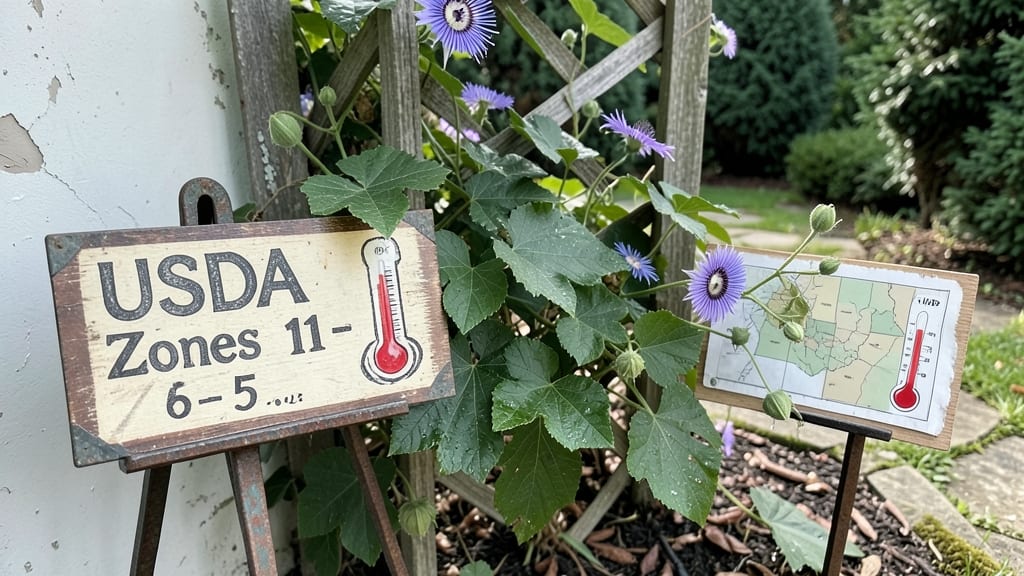
Growing passion flowers in the right hardiness zone is the difference between a thriving vine 🌸 and a frost-killed disappointment.
If you’ve ever dreamed of growing vibrant passion flowers but worried about freezing winters, knowing their exact hardiness zones is your first step to success—some varieties thrive in tropical climates while others survive surprisingly cold temperatures.
Native to the Americas, passion flowers range from USDA Zone 3 hardiness in northern climates to tropical Zone 11, where frost is a distant memory. The key is matching your local climate to the right species—whether you’re in chilly Zone 5 or balmy Zone 8.
In this guide, I’ll break down the exact survival ranges for popular varieties like Passiflora incarnata (maypops) and Passiflora caerulea (blue passionflower), plus proven strategies to push them into colder zones with winter protection and microclimate tricks.
Passion flower hardiness zones by variety: coldest to warmest tolerances
Passion flowers (Passiflora spp.) offer a stunning range of hardiness, from tender tropical varieties that shrivel at 32°F to hardy perennials that survive -15°F winters.
Knowing your USDA hardiness zone and the exact cold tolerance of each variety ensures you choose the right plant for your climate—or learn how to protect delicate species in colder regions.
Native North American passion flowers like maypops (Passiflora incarnata) and blue passionflower (Passiflora caerulea) are the most cold-resistant, while tropical varieties like fruit passionflower (Passiflora edulis) require year-round warmth.
Below, I’ve ranked the most popular varieties from coldest to warmest tolerances, including their survival temperatures and zone ranges.
Pro Tip: Always check your microclimate—sheltered spots in zone 5 may support Passiflora caerulea, while coastal areas in zone 8 might struggle with Passiflora edulis due to wind chill.
Notice how Passiflora incarnata and Passiflora caerulea dominate the cold-hardy list, while tropical varieties like Passiflora edulis and Passiflora alata struggle below zone 10. The key difference? Native North American species have evolved to handle freezing temperatures, while tropical passion flowers are adapted to consistent warmth.
For gardeners in zones 3-6, Passiflora incarnata and Passiflora caerulea are your
How to extend passion flower survival in marginal hardiness zones
Growing passion flowers in zones 3-6 feels like pushing your luck—these tropical vines aren't known for their cold tolerance.
But with the right strategies, you can coax Passiflora incarnata and other hardy varieties to thrive where they shouldn't. The key lies in understanding their cold tolerance limits and creating microclimates that mimic their native conditions.
Most passion flowers struggle below 20°F (-6.7°C), but some varieties like Passiflora caerulea (blue passionflower) can handle brief dips to 10°F (-12.2°C) with protection. The secret? Combining physical barriers, insulation techniques, and smart planting locations to shield them from extreme cold while allowing airflow to prevent rot.
- 1. Choose the right microclimate: Plant near south-facing walls or sunny slopes where heat radiates at night. Avoid low-lying areas where cold air pools.
- 2. Mulch heavily: Apply 8-12 inches of straw or leaves around the base in fall, then top with burlap or cardboard before winter to insulate roots.
- 3. Use containers for mobility: Grow in 15-gallon pots with insulated sleeves and move to sheltered spots or garages when temps drop below 30°F (-1.1°C).
- 4. Install row covers: Secure frost cloth over vines when nighttime temps reach 35°F (1.7°C), removing it during the day for sunlight.
- 5. Prune strategically: Cut back vines to 12-18 inches in early spring, focusing on healthy wood to encourage faster regrowth after cold damage.
- 6. Select cold-hardy varieties: Prioritize Passiflora incarnata (zone 5) or Passiflora lutea (zone 4) over tropical species like Passiflora edulis.
For gardeners in zone 4 or colder, container gardening is your best bet. Use black plastic pots (they absorb heat) filled with a well-draining potting mix enriched with compost. In winter, wrap pots in bubble wrap or foam insulation and bury them halfway in the ground for extra protection.
Remember to water sparingly during dormancy—overwatering can lead to root rot in cold soil.
Microclimates make all the difference. A sunny patio or greenhouse corner can raise temperatures by 5-10°F compared to open garden beds. If you're in zone 5-6, try planting against a brick wall where afternoon sun warms the area.
Pair this with a thick mulch layer (at least 6 inches) to regulate soil temperatures and retain moisture during dry spells.
Don't overlook the power of pruning for resilience. In late winter, inspect your passion flowers and remove any blackened or mushy stems—these are dead from frost and won't recover.
Focus your pruning on healthy growth points just above leaf nodes. This encourages new shoots that can outpace cold damage, giving your plant a fighting chance to rebound by spring.
With these strategies, you can push passion flowers into zone 3 with patience. Start small—try a single Passiflora incarnata plant in a pot—and experiment with different protection methods.
Over time, you'll learn which techniques work best in your specific climate, turning those "too-cold" zones into thriving passion flower havens. 🌿🌸