
Blooming
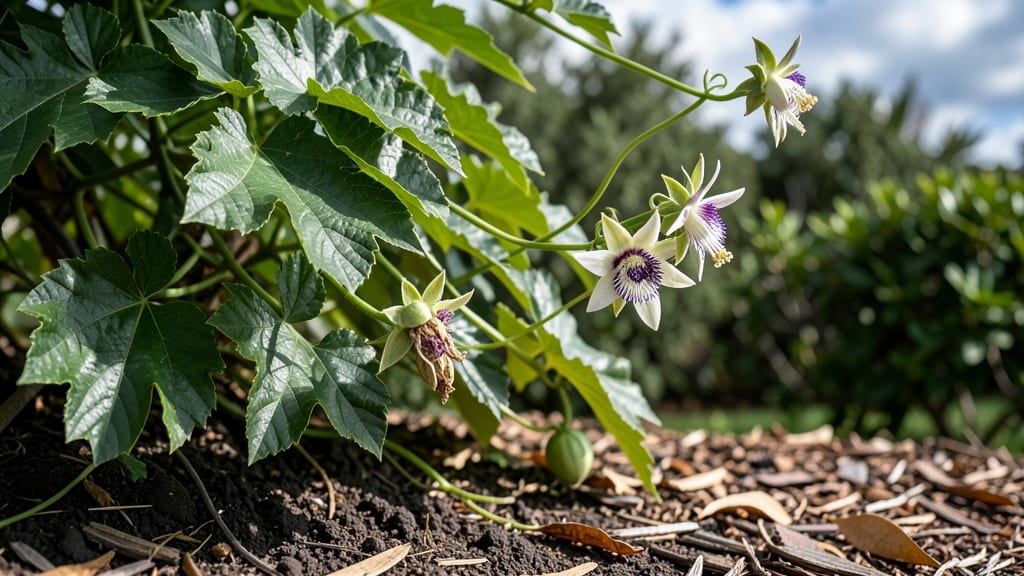
The stages of passion fruit 🍈 flower development reveal exactly when your vines are primed for pollination—and missing this window can mean fewer fruits.
Struggling to identify when your passion fruit vines are ready for pollination? Recognizing the flower stages is the key to a bountiful harvest—miss this window, and you could lose up to 70% of potential fruit.
From tiny buds to vibrant blooms, each phase lasts just 7 days and comes with visual clues like color shifts, scent changes, and stamen length that signal readiness.
In this guide, you’ll learn how to spot each stage, troubleshoot common issues, and boost your fruit set with simple tips for healthier blooms.
7-Day breakdown of passion fruit flower stages from bud to pollination
Understanding the passion fruit flower stages is essential for maximizing your harvest. Each day brings subtle but critical changes in bud size, petal color, and scent intensity that signal pollination readiness.
By recognizing these visual cues, you can ensure your vines produce the most fruit possible. Let’s explore what to watch for over seven days.
Day 1 begins with tiny green buds that look like miniature leaves. These initial buds are barely visible without close inspection, often hidden among the vine’s foliage.
At this stage, they’re not yet receptive to pollinators. Patience is key—this is just the starting point of a 7-day transformation that will determine your harvest’s success.
| Day | Bud Size | Color | Scent | Pollinator Activity |
|---|---|---|---|---|
| 1 | 0.25" (pea-sized) | Bright green | None | None |
| 2 | 0.5" (small marble) | Green with purple tips | Very faint | None |
| 3 | 0.75" (large marble) | Purple-green blend | Light floral | Bees hover nearby |
| 4 | 1" (cherry-sized) | Deep purple | Strong sweet scent | Active pollinators |
| 5 | 1.25" (large cherry) | Purple with white corona | Very strong | Peak activity |
| 6 | 1.5" (plum-sized) | White corona fully open | Sweet and heavy | Pollination occurs |
| 7 | 1.75" (full bloom) | White petals fade | Fading scent | Bud wilts slightly |
By Day 3, your passion fruit buds will start showing purple tips, a clear sign they’re progressing toward pollination. This is when you’ll notice bees beginning to hover nearby, drawn by the light floral scent that develops.
If you’re in a region with limited pollinators, consider hand-pollinating at this stage to maximize fruit set.
On Day 4, the bud turns a deep purple, and the sweet scent becomes much stronger. This is the critical window for pollination—if you’re using a soft brush or cotton swab, now is the time to transfer pollen between flowers.
The stamens and pistils are fully extended, making it easier to see and access.
At Day 5, the flower’s white corona (the intricate, ruffled center) fully unfurls, revealing the reproductive structures at the heart of the bloom. The scent is at its peak, attracting the most pollinating insects. This is when you
How to tell if a passion fruit bud is ready for pollination (key signs)
Identifying the perfect moment to pollinate your passion fruit buds can feel tricky, but spotting the right signs ensures a higher fruit yield. Once you know what to look for—like petal color shifts and nectar production—you’ll boost your chances of success dramatically.
I’ve learned that missing this window can mean losing up to 70% of potential fruit, so let’s dive into the key indicators.
First, focus on the physical changes in the bud itself. A ready-to-pollinate bud will show bright, vibrant petals (often purple or deep blue) and a slightly open center. The stamen—those thread-like structures—will also start to elongate and curl, making them visible even from a few feet away.
These visual cues tell me the flower is primed for pollination and ready to attract bees or other pollinators.
- 1 Bud Color Shift: Petals change from green to purple/blue (varies by variety).
- 2 Nectar Presence: Sweet nectar forms at the base of petals (visible as shiny droplets).
- 3 Stamen Elongation: Thread-like stamens curl and extend (ready for pollen transfer).
- 4 Scent Intensifies: Flower emits a sweet, fruity aroma (peak attractant for pollinators).
- 5 Environmental Triggers: 70-85°F temps and 60-70% humidity signal readiness.
Don’t overlook the environmental conditions—they’re just as critical as the flower’s appearance. Passion fruit buds thrive in warm temperatures between 70-85°F and moderate humidity (60-70%). If your local weather dips below 60°F or humidity drops too low, the buds may fail to open fully or produce nectar.
I’ve seen this happen in my own garden during sudden cold snaps, so keeping an eye on the forecast helps me time pollination efforts.
Another pro tip: Gently tap the bud to check for nectar. A ready bud will release a sweet, sticky liquid at its base—this is nature’s way of signaling pollinators (and you!) that it’s time to act.
If you’re hand-pollinating, this is your green light to use a small brush or cotton swab to transfer pollen from one flower to another. I always keep a soft paintbrush handy for this step, and it’s made a noticeable difference in my fruit set.
Finally, watch for the flower’s daily rhythm. Passion fruit flowers typically open in the morning and close by late afternoon. The best time to pollinate is between 8 AM and 10 AM, when the petals are fully unfurled and nectar production is at its peak.
Missing this window means waiting another day, and some buds may drop before they’re ready. Timing is everything!
By combining these visual cues, environmental checks, and timing strategies, you’ll maximize your chances of a successful pollination—and a bountiful passion fruit harvest to enjoy all season. 🌸