
Flowers
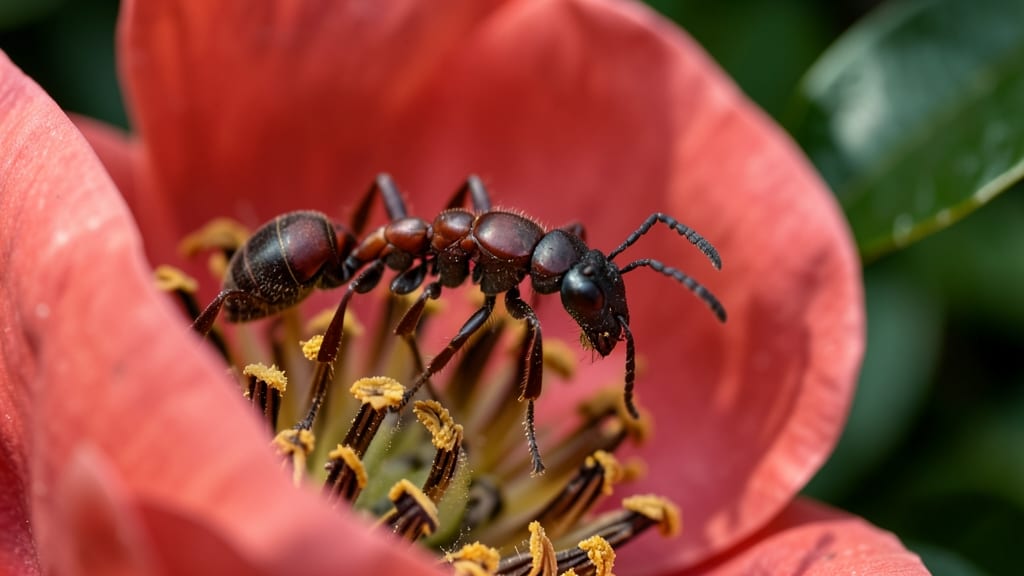
Peony ants on flowers are the sneaky saboteurs of your garden’s showstopper blooms, turning lush 🌸 petals into chewed-up messes before you even notice.
Picture this: You’ve waited all spring for your peonies to burst into color, only to find tiny trails of ants marching through the buds, leaving behind sticky residue and weakened stems.
What starts as a nuisance can quickly become a full-blown disaster if you don’t act fast—but the good news is, you don’t need harsh chemicals to stop them.
In this guide, I’ll show you how to spot an infestation early (before it spreads), use natural remedies that won’t harm your blooms, and even prevent ants from crashing your peony party next year. No garden should go up in smoke over a few pests—and yours won’t.
By the end, you’ll know exactly what to do the moment you see those first ants, so your peonies stay as stunning as the day you planted them. Let’s get started.
Why peony ants are ruining your flowers (and how to spot them early)
When you spot tiny ants crawling over your peony blooms, they’re not just a nuisance—they’re silently sabotaging your garden’s beauty. These pests feed on aphids and honeydew while leaving behind sticky residues that attract mold and weaken flower stems.
The damage starts small but escalates quickly if ignored, turning vibrant blooms into a shadow of their former selves.
Peony ants don’t just ruin the visual appeal—they create a feedback loop of decay. Their trails encourage more pests, and their sugar deposits foster sooty mold, which blocks sunlight and stunts growth.
By the time you notice chewed petals or wilting buds, the damage is often irreversible. The key is catching these pests early, before they turn your prized peonies into a pest buffet.
Here’s how to recognize an infestation before it’s too late:
| Damage Stage | Visual Signs | Impact on Flowers | Action Needed |
|---|---|---|---|
| Early Infestation | Small ant trails on stems, few aphids | Minimal petal damage, slight honeydew buildup | Isolate plant, apply natural repellent |
| Moderate Infestation | Visible ant trails, chewed petal edges, sticky residue | Bud drop, weakened stems, mold spots | Remove affected buds, increase repellent frequency |
| Severe Infestation | Heavy ant colonies, black sooty mold, collapsed buds | Stunted growth, flower death, root stress | Prune heavily, treat soil, consider professional help |
Start by examining the undersides of peony leaves and new buds—these are prime ant hunting grounds. Look for tiny black or brown ants moving in straight lines or clustered around aphids.
Their trails often follow water sources or sap, so check near stems and leaf joints where moisture collects.
Another red flag? Sticky residue on petals or leaves—this honeydew isn’t just gross, it’s a magnet for mold spores. If you wipe a leaf and see a black film, your peonies are already under siege.
The sooner you act, the better your chances of saving the blooms. A quick spray of soapy water can dislodge early colonies before they establish a foothold.
Don’t overlook the soil around your peonies either. Ants often nest underground and emerge when they detect aphids or nectar. If you see tiny mounds of dirt near the base of your plants, that’s their headquarters.
Disrupting these nests early can cut off their food supply and force them to relocate.
One of the most damaging habits of peony ants is their bud destruction. They don’t just feed on sap—they chew into peony buds to access the tender tissue inside. This leads to premature wilting and bud drop, robbing you of the stunning blooms you’ve been waiting for.
If you notice buds opening too quickly or falling off, ants are likely the culprit.
Pay attention to the timing of your peony’s bloom cycle. Ants are most active during warm, humid days when peonies are just beginning to open. This is their window to cause the most damage.
By monitoring your plants during these peak hours, you can catch infestations before they spiral out of control.
Remember, peony ants aren’t just after your flowers—they’re after the entire ecosystem of your garden. Their presence often signals an imbalance in your soil or plant health. Healthy peonies with strong stems and vibrant foliage are far less appealing to ants than stressed, weak plants.
Focus on balanced watering and proper fertilization to make your garden less inviting to these pests.
If you’ve already spotted significant damage, don’t panic. With the right approach, you can restore your peonies’ health and prevent future infestations. The key is acting swiftly—once ants establish a colony, they’re harder to remove.
Start with natural repellents, then move to more targeted solutions if needed. Your peonies will thank you with bold, healthy blooms all season long.
5 Natural ant repellents that work on peonies without chemicals
When you spot ants marching across your peony blooms, your first instinct might be to reach for chemical sprays—but those can harm your delicate flowers and beneficial insects.
Instead, try these natural ant repellents that work fast and won’t damage your garden. The key is acting quickly before ants establish trails or attract other pests like aphids.
These solutions use household items you likely already have, but timing matters. Apply repellents in the early morning when ants are most active, and reapply after rain. Always test a small area first to ensure your peonies tolerate the treatment—especially citrus-based or vinegar solutions.
Top 5 Natural Ant Repellents for Peonies
- Diatomaceous Earth – Sprinkle food-grade DE around peony bases. Kills ants by dehydrating them within 48 hours. Reapply after rain.
- Vinegar Spray – Mix 1 part white vinegar with 1 part water. Spray directly on ant trails and peony leaves. Use in early morning only.
- Cinnamon Powder – Sprinkle generously around peony stems. Ants hate the scent and avoid crossing it. Reapply weekly.
- Citrus Peels – Place dried orange or lemon peels near peony bushes. The oil disrupts ant pheromone trails. Replace every 3 days.
- Coffee Grounds – Scatter used grounds around peony bases. The bitter smell repels ants and adds nutrients to soil. Refresh monthly.
For the fastest results, combine diatomaceous earth with citrus peels. The DE disrupts their exoskeletons while citrus peels mask their scent trails. Always apply these treatments 1-2 inches away from peony stems to avoid harming the plant. Avoid using vinegar on hot days, as it can scorch leaves.
If ants persist after 3-4 days, check for hidden aphid colonies on peony buds—ants farm these pests for honeydew. Treat aphids with a soapy water spray (1 tsp mild soap per quart of water) before applying ant repellents. This two-step approach breaks the ant-aphid cycle completely.
Pro tip: Plant mint or lavender nearby as a long-term deterrent. These companion plants naturally repel ants while adding beauty to your garden. Just keep them 3 feet away from peonies to avoid competition for nutrients.
With these natural methods, you’ll protect your peony blooms without chemicals—keeping your garden thriving and ant-free this season. 🌸