
Blooming
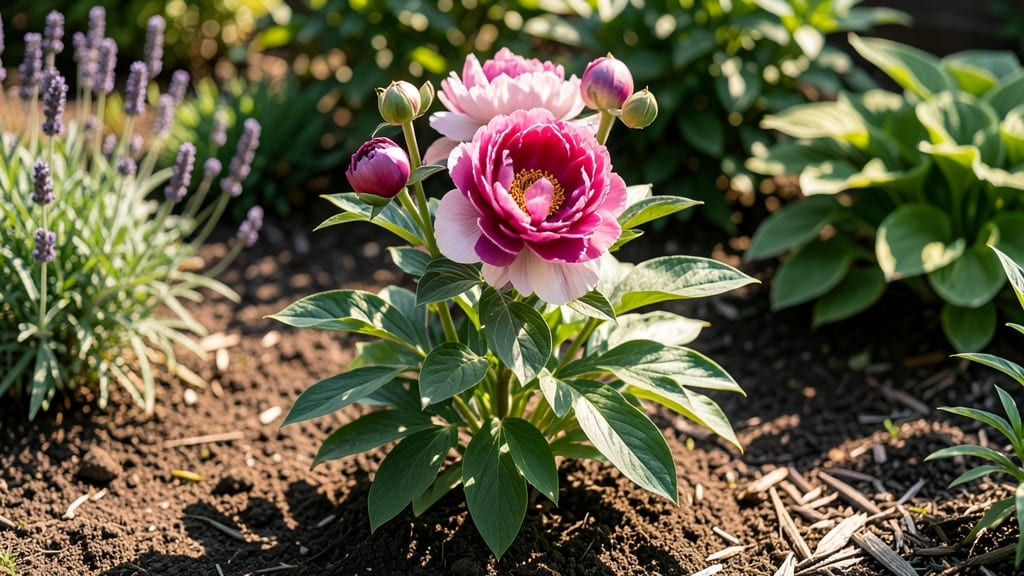
The demonstrative peony flower time turns your garden into a fragrant paradise in late spring to early summer 🌸, but their timing depends on where you live and how you plant them.
If you’ve ever waited eagerly for those lush, velvety blooms only to be disappointed by sparse or late flowers, you’re not alone. The secret to long-lasting peony flower time lies in planting them at the right moment and giving them the care they crave.
In USDA Zone 6a, the best window to plant peonies is between September and November, when the soil is cool but still workable. This timing ensures strong root growth before winter, setting the stage for vibrant blooms the following spring.
Below, I’ll share how to time your planting for peak fragrance, avoid common mistakes that delay blooms, and keep your peonies flowering for years—because once they’re happy, they’ll reward you with months of show-stopping color.
Best planting times for peonies by climate Zone
Timing is everything when planting peonies—these perennial beauties thrive when given the right seasonal window to establish strong roots before dormancy. In most USDA zones, fall planting is ideal, but regional variations mean your local climate dictates the perfect moment.
Let’s break down the best times to plant peonies based on where you garden, plus soil prep tips to ensure bloom success.
Peonies prefer cool soil temperatures (below 70°F) and 6-8 weeks before frost to settle in. This gives roots time to grow before winter sets in. However, spring planting is possible in warmer zones—just be prepared for delayed blooms the first year.
The key is avoiding extreme heat or drought stress during establishment.
Soil preparation is non-negotiable for peonies. They demand well-draining, fertile soil with a pH of 6.0-7.0. Amend heavy clay with compost or sand, and avoid soggy spots—root rot is their nemesis. A mulch layer (2-3 inches) helps retain moisture and regulate temperature, especially in hot climates.
| USDA Zone | Best Planting Time | Soil Temp Goal | Notes |
|---|---|---|---|
| Zones 3-5 | Fall: September-October | 50-60°F | Cold hardiness; plant 6 weeks before frost. |
| Zones 6-7 | Fall: October-November or Spring: March-April | 55-65°F | Spring planting works but blooms may delay 1 year. |
| Zones 8-9 | Fall: November-December or Spring: February-March | 60-70°F | Avoid summer heat; use shade cloth if needed. |
| Zone 10+ | Spring: January-February | 65-75°F | No dormancy; plant in coolest months. |
In northern zones (3-5), focus on fall planting—this gives roots time to harden off before winter. For example, in Zone 4, aim for mid-September to ensure roots establish before first frost.
In Zone 5, extend the window to early October. The eyes (buds) should be 2-3 inches below soil to protect them from freezing.
Southern gardeners in Zones 8-10 have more flexibility but must avoid peak summer heat. Plant in late fall or early spring to prevent transplant shock. If you live in Zone 10+, spring planting is your only option—peonies won’t tolerate dormancy in tropical climates.
Always water deeply after planting to encourage root growth.
Regional tweaks matter! For instance, Pacific Northwest gardeners (Zone 7-8) can plant in late October, while Southeast growers (Zone 8) should finish by mid-November to avoid winter rains that can cause soil erosion.
Test your soil’s drainage by digging a hole—if water pools after 6 hours, amend with organic matter.
Pro tip: Bareroot peonies (sold without soil) should be planted immediately upon arrival. Soak roots for 1-2 hours before planting to rehydrate them. Container-grown peonies can wait 1-2 weeks but plant them deeper than their container to encourage stability. Always avoid disturbing roots—gentle handling is key!
After planting, mulch heavily (3-4 inches) with straw or wood chips to insulate roots in winter and retain moisture in summer. In dry climates, mulch also prevents soil crusting, which can suffocate young roots. Replenish mulch annually—it breaks down over time and loses effectiveness.
Remember, first-year blooms may be sparse, but with proper timing and care, your peonies will reward you with decades of lush, fragrant blooms. Whether you’re in frosty Zone 3 or mild Zone 10, these seasonal guidelines
How to time peony blooms for peak fragrance and color
Timing your peonies right isn't just about when you plant—they're perennials that reward patience with decades of blooms. The key lies in aligning their growth cycle with your local climate to maximize fragrance intensity and bloom duration.
Unlike annuals, peonies establish roots slowly, so early planting gives them time to develop the strong root systems needed for show-stopping displays.
Peonies typically bloom from late May to early June, but this window shifts based on your USDA hardiness zone. Southern gardeners may see blooms as early as April, while northern zones might delay until June.
Understanding these regional variations lets you time your planting for the most dramatic seasonal displays.
- 1 Plant in fall (September-November) for root establishment before winter dormancy—this ensures stronger blooms next spring.
- 2 Choose full sun (6+ hours daily) to boost fragrance production—shady spots yield weaker blooms and less scent.
- 3 Prune after blooming (June-July) to remove spent flowers—this redirects energy to next year's buds instead of seed production.
- 4 Amend soil with compost (spring or fall) to enhance nutrient uptake—peaty, well-draining soil prevents root rot and supports vibrant colors.
- 5 Water deeply but infrequently—1 inch per week—to encourage deep root growth, which translates to longer-lasting blooms.
Your pruning schedule directly impacts bloom timing. If you cut back peonies too early (before June), you risk reducing next year's flowers by removing the energy reserves stored in the roots. Always wait until after the last bloom fades before pruning—this ensures the plant has completed its flowering cycle.
For maximum fragrance, focus on herbaceous peonies (like 'Sarah Bernhardt')—their delicate, lacy blooms release the most intoxicating scent. To enhance this, mulch around the base with organic matter (like straw) to retain moisture and regulate soil temperature, both of which support robust growth and scent production.
Don't forget that soil pH plays a role too—peonies thrive in slightly acidic to neutral soil (6.0-7.0). Test your soil in early spring and amend with lime if needed to create the perfect environment for fragrant, long-lasting blooms.
With these strategies, you'll transform your garden into a fragrance-filled paradise where peonies bloom earlier, last longer, and smell stronger than ever before. The secret? Patience and precision—just like the peonies themselves. 🌸