
Planting
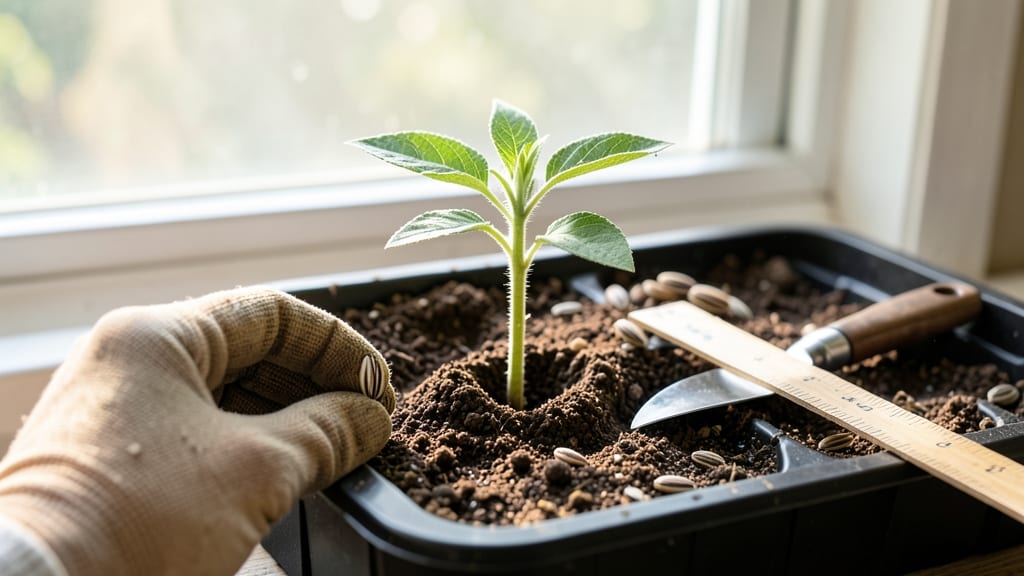
Sunflower seeds planted at the right depth—about half an inch to 1 inch—give your towering 🌻 the strong start they need to reach their full potential.
Picture this: you’ve waited all spring for those cheerful blooms, only to watch them struggle or fail to emerge. The culprit? Planting too deep or too shallow. Sunflowers are sensitive to depth—too shallow and they’ll dry out, too deep and they’ll rot before they even sprout.
In this guide, I’ll break down the exact measurements for your climate, how to adjust for soil type, and the simple tools (or lack thereof) you’ll need. No guesswork—just science-backed tips to ensure your sunflowers grow straight and strong from day one.
You’ll also learn how to spot common mistakes—like uneven planting or overcrowding—and how to fix them before they derail your garden. Ready to grow sunflowers that reach for the sky? Let’s get started.


The ideal planting depth for sunflower seeds: exact measurements explained
Sunflowers are one of the most rewarding plants to grow, but their success starts with the right planting depth. Too shallow, and seeds dry out; too deep, and they struggle to emerge.
The ideal planting depth for sunflower seeds is between 0.5 to 1 inch below soil level. This range ensures proper moisture while allowing young sprouts to push through easily.
Sunflower seeds contain stored energy in their cotyledons, which need to reach light quickly. Planting too deep forces seedlings to stretch upward, creating weak stems prone to lodging (falling over).
Meanwhile, shallow planting exposes seeds to drying out before germination. Aim for 1 inch deep in most soils for the best balance.
Soil temperature also plays a critical role. Sunflower seeds germinate best when soil reaches 60–70°F (15–21°C). In cooler climates, wait until after the last frost and ensure soil warms up before planting. A soil thermometer helps verify readiness—planting in cold soil delays germination and increases rot risk.
Regional adjustments matter! In hot, dry climates like the Southwest, plant seeds slightly deeper (1 inch) to retain moisture. In humid, rainy regions (e.g., Pacific Northwest), a shallower depth (0.5 inch) reduces rot risk. Always loosen soil first to improve aeration and drainage.
Seed size influences depth needs too. Sunflower seeds are large (½–1 inch long), so planting them deeper than 1 inch risks exhausting their energy reserves before reaching light.
Smaller varieties (like dwarf sunflowers) can tolerate slightly shallower planting (0.5 inch), while giant varieties benefit from the full 1-inch depth for stronger stems.
Loose, well-draining soil is essential. Compacted soil makes consistent depth impossible and can suffocate seeds. Work in compost or sand if your soil is heavy clay. After planting, gently firm the soil around seeds to eliminate air pockets, ensuring steady moisture contact without burying them too deep.
Depth also affects stem strength. Seeds planted at 1 inch deep develop thicker stems because they must push through more soil, creating natural resistance. Shallow planting (0.25 inch) produces leggy, weak stems that snap in wind or rain.
For tall sunflowers (10+ feet), prioritize the deeper end of the range.
In container gardening, use the same depth rules but ensure pots have drainage holes. Shallow containers (6-inch depth) may require planting seeds on the surface and pressing lightly into soil to mimic depth. Always monitor moisture—containers dry out faster than in-ground beds.
Watch for signs of incorrect depth: failed germination (too deep), yellowing seedlings (too shallow), or stunted growth (poor soil conditions). Adjust future plantings based on these cues. With the right depth, your sunflowers will emerge strong and reach their full 6–15-foot potential.
Pro tip: Use a seed spacing tool or your finger to mark planting lines. For 1-inch depth, press seeds in just past your first knuckle. Label rows if testing different depths—you’ll see dramatic differences in germination rates and plant vigor by mid-summer.
How to plant sunflower seeds at the perfect depth: step-by-step guide
Planting sunflower seeds at the correct depth is the foundation for strong, healthy plants. Too shallow, and they won’t germinate; too deep, and they’ll struggle to break through the soil.
The ideal depth for sunflower seeds is 0.5–1 inch below the soil surface, but achieving this consistently takes a little finesse. Whether you're using a trowel, your fingers, or a simple homemade tool, follow these steps to ensure every seed gets the perfect start.
Before you begin, prepare your soil by loosening it to a depth of 6 inches with a garden fork or tiller. This helps roots penetrate easily later. Remove rocks and debris, then mix in 2–3 inches of compost to enrich the soil.
Sunflowers love well-draining soil, so if your garden holds water, amend it with sand or perlite. Once your soil is ready, it’s time to plant with precision.
Mark Your Rows
Use a stick or string to create rows 12–24 inches apart, depending on your sunflower variety. Dwarf varieties (2–4 ft) need less space, while giant varieties (10+ ft) require more room to avoid crowding.
Plant Seeds at the Right Depth
Drop seeds 0.5–1 inch deep along the row, spacing them 6 inches apart. For consistent depth, use a seedling dibber or even a pencil. Press the soil gently around each seed to ensure good contact.
Cover with Soil
Lightly cover seeds with soil, ensuring it’s loose and fine to avoid suffocating them. Avoid compacting the soil—this can prevent seeds from germinating. A light sprinkle of mulch (like straw) helps retain moisture.
Water Gently
Water the rows lightly but thoroughly to settle the soil without displacing seeds. Use a watering can with a fine rose or a gentle spray nozzle. Keep the soil moist but not soggy until germination (usually 7–14 days).
Thin Seedlings
Once seedlings reach 2–3 inches tall, thin them to 12–24 inches apart, keeping the strongest plants. Use scissors to snip weak seedlings at soil level to avoid disturbing roots of remaining plants.
If you’re planting in containers or raised beds, use the same depth guidelines but reduce spacing to 4–6 inches between seeds. Containers need excellent drainage, so add a layer of gravel or perlite at the bottom.
Avoid planting sunflowers in heavy clay soil, as it can suffocate roots—amend with compost or peat moss instead.
Common mistakes like planting too deep (over 1 inch) or uneven spacing can lead to weak stems or overcrowding. Always check soil moisture after planting—sunflowers need consistent moisture but hate soggy conditions. Mulch helps retain moisture and suppress weeds, giving your sunflowers the best chance to thrive.
With these steps, your sunflower seeds will germinate quickly and grow into tall, vibrant plants that brighten your garden all season long. Happy planting! 🌻