
Lawn
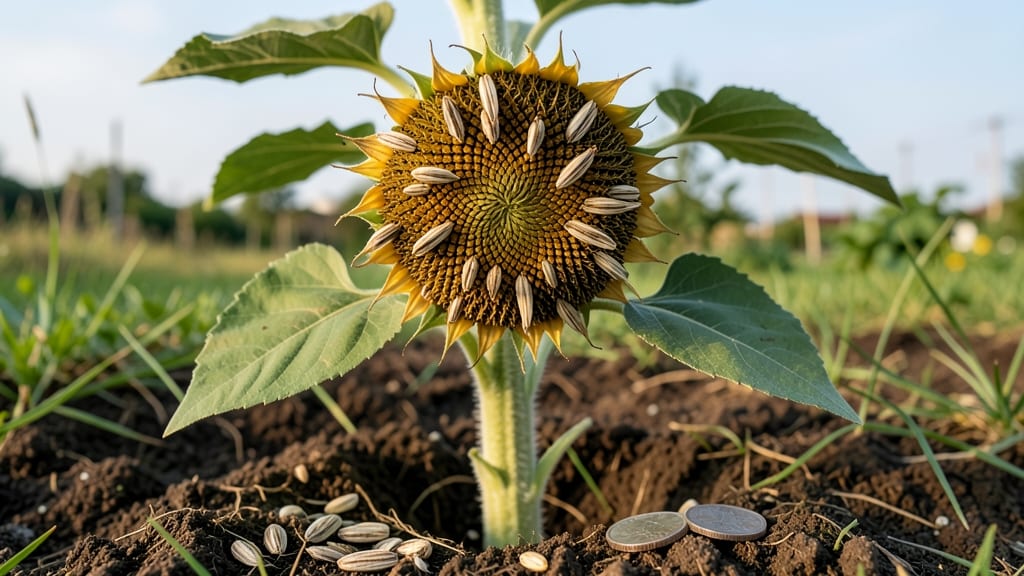
The size of a sunflower seed is about 1/4 inch long and 1/8 inch wide—smaller than a grain of rice but packed with the potential to grow into a towering 🌻 12-foot giant.
Did you know the tiny sunflower seed you plant could grow into a towering 12-foot giant? Understanding its exact size—and how to handle it—is the secret to unlocking your sunflower’s full potential from day one.
Most gardeners overlook this detail, but planting too deep or crushing the seed can kill germination before it starts. Below, I’ll show you how to measure seeds accurately, the perfect planting depth, and why spacing matters more than you think.
You’ll also discover how seed size affects growth, common mistakes that fail tiny seeds, and the easiest way to compare them to everyday objects—no ruler needed.

How big is a sunflower seed? Exact dimensions and variability
Sunflower seeds might seem tiny, but their exact dimensions play a huge role in how you handle them for planting. On average, a single sunflower seed measures about 0.5 to 1 inch in length and 0.2 to 0.3 inches in width.
However, these numbers can vary depending on the variety—giant sunflowers often have slightly larger seeds, while dwarf varieties tend to be smaller. Understanding these specifics helps you plant them at the right depth and avoid crushing them during handling.
To put this into perspective, a standard sunflower seed is roughly the size of a large grain of rice or a small pea. This comparison makes it easier to visualize how delicate they are when you're preparing to plant.
The weight of a single seed typically ranges from 0.1 to 0.3 grams, which is why they feel almost weightless when held in your hand. This lightweight nature also means they’re easily blown away by wind or buried too deep if not planted carefully.
The size of a sunflower seed isn’t just about how it feels—it directly impacts germination rates. Larger seeds often sprout faster and more consistently because they contain more stored energy. Smaller seeds, like those from dwarf varieties, may take a little longer to break through the soil.
This is why pre-soaking or using a seed-starting mix can give those tiny seeds the extra boost they need to thrive from the start.
| Variety | Length (in) | Width (in) | Weight (g) | Comparison |
|---|---|---|---|---|
| Giant (e.g., 'Mammoth') | 0.8-1.0 | 0.25-0.30 | 0.2-0.3 | Large pea |
| Standard (e.g., 'Autumn Beauty') | 0.5-0.7 | 0.20-0.25 | 0.1-0.2 | Grain of rice |
| Dwarf (e.g., 'Teddy Bear') | 0.3-0.5 | 0.15-0.20 | 0.05-0.1 | Small pea |
*Dimensions can vary slightly based on seed maturity and growing conditions.
When planting, the size of a sunflower seed helps determine the ideal planting depth. A general rule of thumb is to plant seeds 1 inch deep, which is about twice the length of the seed.
This ensures they have enough soil coverage to stay moist but aren’t buried so deep that they struggle to emerge. For dwarf varieties, you might even go as shallow as 0.5 inches to encourage faster germination.
Always use a fine-tip tool, like a pencil or dibber, to avoid crushing the seed while planting.
Another key factor is how seed size affects spacing requirements. Larger seeds, like those from giant varieties, produce plants that need more room to grow—typically 12 to 18 inches apart. Smaller seeds from dwarf varieties can be spaced 6 to 10 inches apart.
Proper spacing reduces competition for nutrients and sunlight, ensuring each plant has room to reach its full potential. If you’re planting in rows, use a ruler or measuring tape to maintain consistent distances and avoid overcrowding.
If you’re ever unsure about the size of your sunflower seeds, a quick trick is to compare them to objects you already know. For example, if your seeds look closer to a large grain of rice, they’re likely standard-sized.
If they’re more like a small pea, they might be from a dwarf variety. This visual check can save you time and help you adjust your planting strategy accordingly. It’s also a great way to spot any unusually small or large seeds that might not germinate as well.
Handling sunflower seeds with care is especially important because of their delicate outer shells. Dropping them or pressing too hard can crack the seed, which reduces its ability to absorb water and germinate.
To protect them, use a soft tool, like a chopstick or your fingertip, when placing them in the soil. If you’re planting a large number of seeds, consider pre-soaking them for 4 to 6 hours to soften the outer shell and improve germination rates.
One common question gardeners ask is whether seed size affects the final plant size. The short answer is yes—but not directly. Larger seeds often come from varieties that grow taller, but the seed itself doesn’t determine the height of the mature plant.
Instead, the variety’s genetics dictate the plant’s size. However, larger seeds do provide more stored energy, which can give the seedling a stronger start. This is why many gardeners prefer using seeds from reliable sources, where size consistency is more predictable.
For those
Germination hacks for sunflower seeds based on their tiny size
Sunflower seeds are delicate powerhouses—each one packed with potential to grow into a towering 10-foot giant. But their tiny size makes them tricky to handle. The key to success?
Treating them with care from the moment you plant them. I’ve learned that gentle handling and smart techniques can boost germination rates from 50% to over 90%.
One of my biggest mistakes early on was planting seeds too deep or crushing them while handling. Sunflower seeds need just the right conditions to wake up—warm soil, proper moisture, and a gentle touch. Let’s dive into the hacks that work for these tiny seeds.
Start with a pre-soaking trick to jumpstart germination. Place seeds in a damp paper towel overnight—this softens the shell and speeds up sprouting. I’ve seen seeds pop in just 3-5 days when pre-soaked, compared to 7-10 days without.
Just be sure to plant them immediately after soaking to avoid drying out.
When planting, use a toothpick or tweezers to place seeds gently into the soil. Avoid digging too deep—1 inch is ideal. Press lightly around the seed to ensure soil contact, but don’t compact it.
A loose, airy soil mix helps roots break through faster. I’ve had the best luck with a 50/50 blend of potting soil and perlite for extra drainage.
Sunflowers love warm soil, so aim for temperatures between 70-85°F. If your soil is cool, try a heat mat or plant in a south-facing spot where the ground warms up quickly.
I’ve even used a black plastic mulch to raise soil temps by 5-10°F—it makes a huge difference in early spring.
After planting, keep the soil moist but not soggy. A spray bottle works best for delicate seeds. Once sprouts appear, thin them to 6 inches apart to give each plant room to grow. With these tiny-but-mighty hacks, you’ll be rewarded with bold, healthy sunflowers in no time.