
Advice
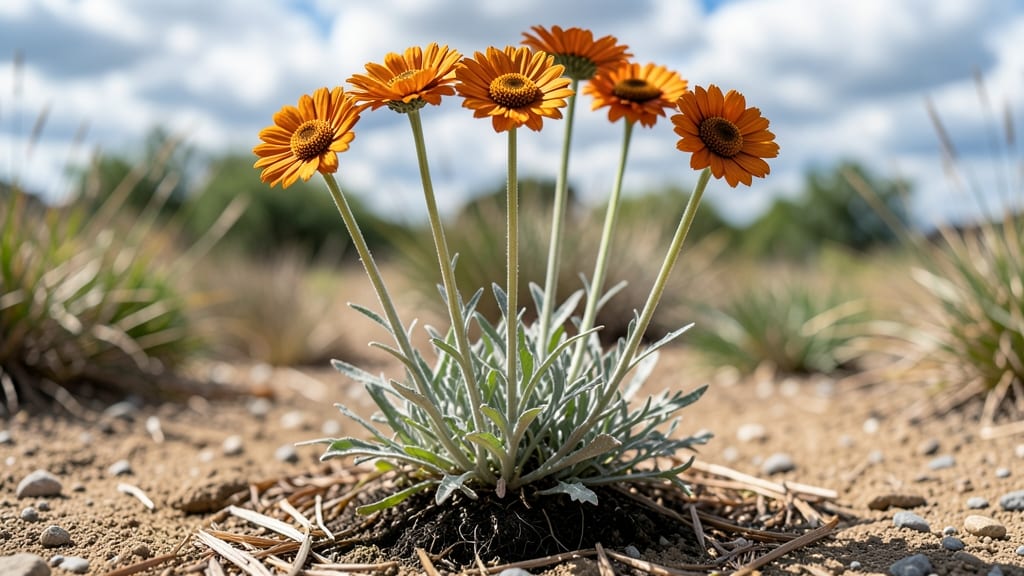
Strawflowers reach maturity in 90 to 120 days from seed, turning your garden into a burst of color from late summer to early fall 🌼.
Want to enjoy vibrant strawflower blooms all year long? Knowing the exact days to maturity for each variety is the key to planning your garden for continuous color—without wasting time or space on slow growers.
Most varieties hit their prime between 105 and 110 days, but cooler climates or poor soil can stretch that timeline. The secret to faster blooms? Start seeds indoors 6 to 8 weeks before your last frost date and give them full sun from day one.
Below, I break down the fastest and slowest varieties, how to adjust planting for year-round blooms, and the one mistake that turns 90-day plants into 120-day laggards.
Strawflower days to maturity by popular variety (fastest to slowest)
Planning your strawflower garden for continuous blooms starts with understanding each variety's days to maturity. Some varieties burst into color in just 60 days, while others take nearly 120 days to reach their full papery beauty.
By strategically selecting fast and slow growers, you can create a year-round display without gaps in your garden's charm.
Fast-maturing varieties are perfect for succession planting or filling early-season gaps, while slower growers excel in late-summer displays. Let's explore the top 10 strawflower varieties ranked from fastest to slowest maturity, so you can tailor your planting schedule to your climate and bloom goals.
| Variety | Days to Maturity | Seasonal Peak | Best For |
|---|---|---|---|
| 'Paprika' | 60-70 days | Early summer | Cut flowers, containers |
| 'Bright Bits' | 65-75 days | Early to mid-summer | Drought-tolerant gardens |
| 'Orange Crush' | 70-80 days | Mid-summer | Long vase life |
| 'Bridal Shower' | 75-85 days | Late summer | Wedding bouquets |
| 'Moulin Rouge' | 80-90 days | Mid to late summer | Dried arrangements |
| 'Golden Delicious' | 85-95 days | Late summer | Sunny borders |
| 'Pink Beauty' | 90-100 days | Late summer to fall | Cut-and-come-again |
| 'White Lady' | 95-105 days | Fall | Elegant arrangements |
| 'Rainbow Blend' | 100-110 days | Late summer | Mixed borders |
How to use maturity timelines to extend strawflower blooms year-roundUnderstanding the days to maturity for strawflowers is your secret weapon for creating a garden that blooms continuously. By strategically planning your plantings, you can enjoy vibrant strawflower blooms from spring through fall—and even over winter in warmer climates. The key lies in selecting varieties with staggered maturity timelines and adjusting your care routine to match each stage. For example, fast-maturing varieties like 'Paprika' (70-80 days) can be planted early in the season, while slower growers like 'Bridal Shower' (90-100 days) should follow. This approach ensures you always have fresh blooms ready to harvest or enjoy in arrangements. The right timing also prevents overcrowding and maximizes each plant's potential.
1
Plant early varieties (70-80 days) in late spring for summer blooms
2
Follow with mid-season (80-90 days) in early summer for fall color
3
Add late varieties (90-100 days) in mid-summer for extended blooms
4
Adjust watering to dry conditions after 60 days to boost bloom production
5
Deadhead spent blooms every 2-3 weeks to encourage new flower production
Another effective strategy is succession planting, where you sow new seeds every 3-4 weeks throughout the growing season. This method works especially well in USDA Zone 8 and above, where frost-free periods are longer. For instance, if your first planting takes 85 days to mature, your second planting should go in when the first variety begins flowering. This creates a seamless transition of blooms. Don't forget to adjust your care routine based on each variety's maturity stage. Once plants reach 50% maturity, reduce watering slightly to prevent leggy growth. After 70% maturity, add a light application of low-nitrogen fertilizer (5-10-10) to promote flowering rather than foliage. These small adjustments can make a big difference in bloom quality and duration. For year-round blooms, consider overwintering your strawflowers in containers. Many varieties, especially 'Orange Crush' and 'Golden Delicious', can survive mild winters if protected. Move potted plants to a sheltered location and reduce watering to once every 2-3 weeks during dormancy. When spring arrives, resume regular care to jumpstart new growth and extend your bloom season even further. By leveraging maturity timelines and these practical strategies, you'll transform your garden into a non-stop strawflower show. The secret isn't just about planting—it's about understanding how each variety's growth cycle fits into your overall plan. With the right approach, you can enjoy these cheerful blooms from spring through winter, no matter where you garden. |