
Light Requirements
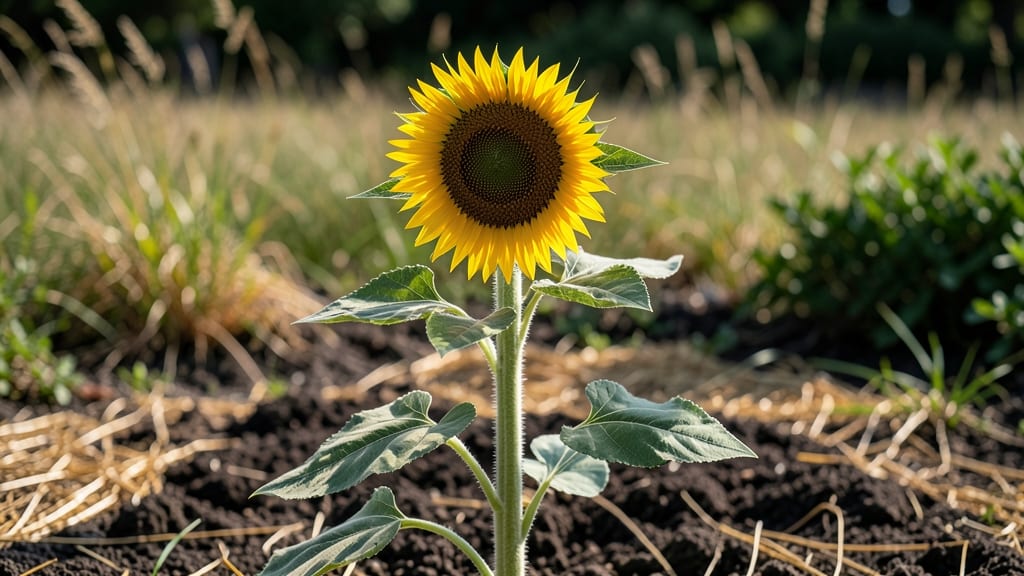
Sunflowers thrive when you meet their sunflower light requirements, but not all sunny spots deliver the same results.
Picture this: you’ve planted your 🌻 seeds in April, eager for towering blooms by summer, only to watch them stretch toward the sky like they’re reaching for something—because they are.
Sunflowers aren’t just loving the sun; they’re hungry for it, and without enough, you’ll end up with leggy stems and half-hearted flowers. The good news? With the right light setup, you can turn weak seedlings into 10-foot giants in just a few months.
Most gardeners assume "full sun" means any old spot with a little light, but sunflowers are picky—they need 6 to 8+ hours of direct sunlight daily, no shade tricks. Coastal climates?
You might get away with a little more cloud cover, but inland or in hotter zones like 6a, they’ll wilt faster without the full dose. Even a few hours less can slow their growth by weeks, turning your dream harvest into a sad, stunted disappointment.
In this guide, I’ll break down exactly how much light sunflowers crave, how to spot when they’re not getting enough, and the fastest fixes to keep them thriving—whether you’re working with a south-facing patch or a shadier corner.
No guesswork, just proven tips for sunflowers that grow tall, bloom bright, and feed the birds all season long.

How much sun do sunflowers need for optimal growth?
Sunflowers are famous for their love of sunlight, but their light needs change as they grow. Full sun exposure (6-8+ hours daily) is essential for healthy stems and vibrant blooms.
Without enough light, your sunflowers may grow weak and leggy. Understanding their sunlight requirements by growth stage ensures they thrive from seedling to full maturity.
Most gardeners assume all sunflowers need the same amount of light, but their needs shift dramatically. Seedlings require gentle morning sun to prevent burning, while mature plants crave intense afternoon rays. Regional climate also plays a role—coastal areas with soft, diffused sunlight differ from inland zones with harsh midday rays.
To measure sunlight accurately, use the 'sun hours' method. Track direct sunlight exposure from sunrise to sunset, excluding reflected or indirect light. A sunlight meter or simple observation over a week gives you precise data to adjust planting locations.
Here’s a quick breakdown of sunflower light needs by growth stage and climate type:
In coastal climates, where sunlight is softer due to humidity and clouds, sunflowers may need 1-2 extra hours of light compared to inland areas. For example, a Pacific Northwest garden might require 8+ hours of sun, while a Midwest garden thrives with 6-7 hours.
Always observe your local sunlight patterns for a week to tailor your approach.
If your garden only offers partial shade, don’t give up! Start with shade-tolerant varieties like 'Teddy Bear' or 'Moulin Rouge,' which handle 4-6 hours of sun.
For standard varieties, supplement with a reflective surface (like white mulch or a mirror) to bounce extra light onto leaves during critical growth stages.
Position sunflowers in the southernmost part of your garden to maximize sunlight exposure. Avoid planting near tall trees, fences, or structures that cast long shadows. If your space is limited, consider vertical gardening with trellises or raised beds to optimize light capture.
Monitor your sunflowers for signs of light deficiency, such as pale yellow leaves or stems that stretch excessively toward the sun. These are clear indicators that your plants need more light. Adjust their location or supplement with artificial grow lights to prevent stunted growth.
For container gardeners, place pots in south-facing windows or on balconies with unobstructed views. Rotate containers every few days to ensure even sunlight exposure. In urban settings, where space is tight, choose dwarf varieties like 'Little Becka' to grow near windowsills or patios.
Remember, sunflowers are resilient! With the right light adjustments, even 6 hours of sun can produce beautiful blooms, though 8+ hours yields the tallest, healthiest plants. Experiment with placement and varieties to find what works best for your unique growing conditions.
Signs your sunflowers aren’t getting enough light (and how to fix it)
Sunflowers are sun worshippers—when they don’t get enough light, their growth suffers in obvious ways. Leggy stems that stretch toward the sky, pale yellow leaves instead of deep green, and small, sparse blooms are all red flags.
Even worse, their stems may become weak and prone to flopping over under their own weight. If your sunflowers look like they’re struggling to stand tall, light deprivation is likely the culprit.
Another telltale sign is slow growth or stunted development. Healthy sunflowers can shoot up 2-3 inches per day in ideal conditions, but light-starved plants may barely grow an inch over weeks.
You might also notice fewer buds forming or flowers that never fully open. These visual cues mean your sunflowers are begging for more sunlight—or a smarter growing setup.
⚠️ callout-warning
🌱 Warning: Sunflowers in Low Light
Sunflowers need 6-8+ hours of direct sunlight daily. Without it, they’ll develop:
- ❌ Leggy, weak stems (prone to breaking)
- ❌ Pale, yellowing leaves (chlorosis)
- ❌ Small or no flowers (poor blooming)
- ❌ Slow, stunted growth (under 1 inch/week)
Fix it fast: Move plants to sunnier spots or supplement with grow lights (12-16 hrs/day).
If your garden lacks natural sunlight, don’t despair—grow lights can save the day. LED full-spectrum grow lights placed 12-18 inches above seedlings provide the blue and red light wavelengths sunflowers crave.
For mature plants, 12-16 hours of artificial light daily mimics summer sunlight. Position lights on a timer to maintain consistency, and watch your sunflowers perk up within days.
For outdoor gardeners, relocating plants is often the simplest fix. If your current spot gets only 3-4 hours of sun, try moving them to a south-facing bed or near a reflective surface (like a white wall or fence) to bounce extra light.
Even a few extra hours can make a dramatic difference in stem strength and bloom size. Just avoid west-facing spots, which can cause afternoon heat stress.
Not all sunflowers are created equal when it comes to light tolerance. Dwarf varieties like 'Teddy Bear' or 'Moulin Rouge' handle partial shade better than giants like 'Russian Giant.' If your space is shady, opt for these low-light-tolerant types—they’ll still produce cheerful blooms, just on a smaller scale.
Pair them with reflective mulch (like white gravel) to maximize whatever light they receive.
Finally, rotate your plants weekly to ensure even light exposure. Sunflowers naturally lean toward sunlight, so turning them 180 degrees every few days prevents lopsided growth and encourages stronger stems.
Combine this with balanced fertilization (10-10-10 NPK) and deep watering, and your sunflowers will rebound quickly—even if they’ve been light-deprived for weeks.