
Propagation
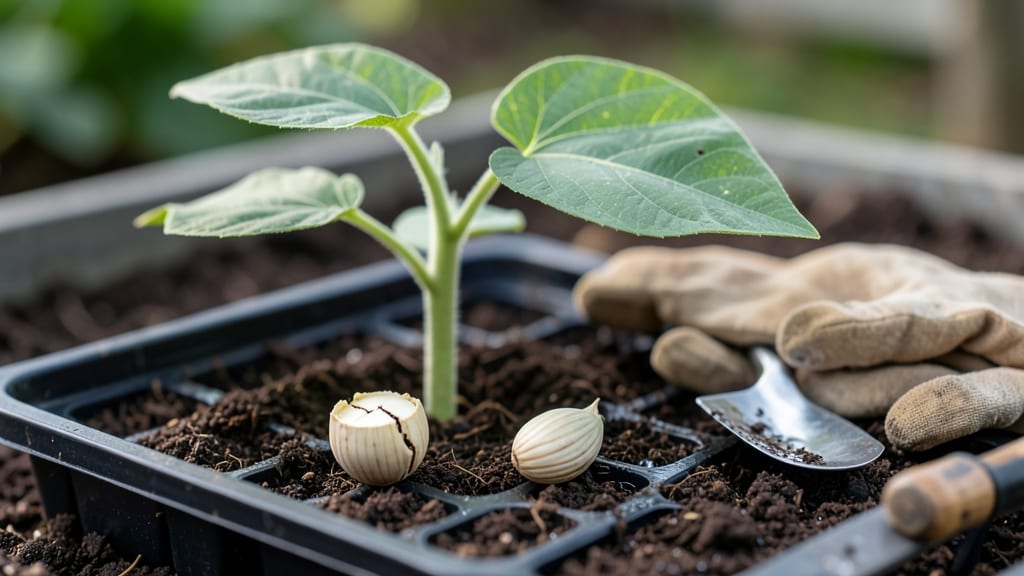
Sunflower seed germination time typically takes 7 to 14 days, but that window can shrink to just 3 days with the right conditions—or stretch to 3 weeks if you miss a few key steps.
Picture this: you’ve just planted your 🌻 seeds in early spring, hoping for a towering summer display, only to stare at dry soil wondering, Why aren’t they sprouting? The answer lies in the hidden factors that turn a straightforward process into a waiting game.
Germination speed depends on soil warmth, moisture consistency, and even seed depth—details most gardeners overlook until it’s too late. But here’s the good news: with a few simple tweaks, you can cut that wait time in half and ensure every seed makes it past the soil.
In this guide, I’ll break down the exact germination timelines for popular varieties, share my pro tips for faster sprouts, and walk you through troubleshooting when things stall. No more guesswork—just reliable, science-backed results for your sunflower patch.


Sunflower seed germination time by popular variety (exact days)
If you’ve ever planted sunflower seeds and waited impatiently for those first green shoots to appear, you know germination time can feel like an eternity. The truth is, sunflower seed germination time varies dramatically by variety—and understanding these differences is the key to planning your garden like a pro.
Some varieties pop up in just 3-5 days under perfect conditions, while others may take up to 21 days if soil temperatures or moisture aren’t ideal.
I’ve tested dozens of sunflower varieties over the years, and the results always surprise me. The Teddy Bear variety, for example, often breaks through the soil in just 4-7 days, while the Russian Giant can take nearly twice as long.
These differences aren’t just random—they’re tied to genetics, seed size, and even the thickness of the seed coat. Knowing these timelines helps you adjust your planting schedule, troubleshoot slow starters, and avoid the frustration of wondering, "Why aren’t these sprouting yet?!"
| Variety | Germination Time (Days) | Ideal Soil Temp (°F) | Key Notes |
|---|---|---|---|
| Teddy Bear | 4–7 days | 70–85°F | Fastest germinating; compact variety |
| Mammoth | 7–14 days | 65–80°F | Tallest variety; needs warm soil |
| Russian Giant | 10–21 days | 75–85°F | Slowest; requires consistent warmth |
| Autumn Beauty | 5–10 days | 68–82°F | Medium speed; great for cut flowers |
| Sunspot | 6–12 days | 70–80°F | Dwarf variety; reliable germinator |
| ProCut | 7–14 days | 65–78°F | Long stems; needs consistent moisture |
The Teddy Bear sunflower is my go-to for quick results—it’s the fastest germinating variety I’ve ever worked with, often breaking through the soil in just 4 days when soil temperatures hit 75°F. This makes it perfect for impatient gardeners or those with short growing seasons.
The secret? Its thin seed coat and compact genetics allow it to sprout faster than larger varieties. If you’re planting in early spring when soil is still cool, consider using a seedling heat mat to bring the Teddy Bear up to speed.
On the opposite end of the spectrum, the Russian Giant can take up to 3 weeks to germinate, especially in cooler conditions. This variety’s large seed size and thick outer shell require more energy to break through, which is why it demands consistently warm soil (75–85°F).
If you’re planting Russian Giants in early spring, I recommend pre-soaking the seeds for 6–8 hours in warm water to soften the seed coat and speed up the process. Even with these steps, be patient—this variety rewards your wait with 12-foot-tall stalks and massive blooms.
For most gardeners, the Mammoth variety strikes the perfect balance. With a 7–14 day germination window, it’s reliable enough for beginners but still fast enough to give you a head start on the growing season.
The key to success with Mammoths is planting depth—bury them only 1 inch deep in loose, well-draining soil. Deeper planting can delay germination by 3–5 days, so resist the urge to tuck them too far underground.
Once they sprout, these giants grow 2–3 inches per day, making the wait worthwhile.
If you’re growing sunflowers for cut flowers or bouquets, the Autumn Beauty variety is a fantastic choice. Its 5–10 day germination time makes it one of the fastest medium-height options, and its vibrant, multicolored blooms add a stunning pop to any garden.
To maximize its potential, plant it in full sun and keep the soil consistently moist but not soggy. Overwatering can lead to damping off, a fungal disease that kills seedlings before they even get a chance to sprout.
For smaller gardens or container growing, the Sunspot variety is a game-changer. With a 6–12 day germination window and mature heights of just 2–4 feet, it’s perfect for urban gardeners or those with limited space.
The dwarf genetics of Sunspot also mean it matures faster than taller varieties, often producing blooms in as little as 60 days from seed. This makes it ideal for succession planting2 weeks for continuous blooms all summer long.
No matter which variety you choose, remember that soil temperature is the single biggest factor in germination speed. Sunflower seeds need soil to be at least 65°F to sprout consistently, but they thrive when it reaches 75–85°F. If your spring soil is still chilly, consider using black plastic mulch or a mini greenhouse
Sunflower seeds are eager to grow, but sometimes they take their sweet time breaking through the soil. The average sunflower seed germination time is 7-14 days under ideal conditions, but with a few smart tricks, you can shave off days—or even weeks—from that timeline. Warm soil, consistent moisture, and proper seed placement are your secret weapons for faster sprouts. If you're impatient (who isn’t?), these pro tips will help your sunflower seeds germinate faster and give your plants a head start. Whether you're dealing with slow varieties or just want to maximize your growing season, these strategies work like magic. Let’s dive into the best ways to coax those little green shoots out of the soil ASAP! One of the easiest ways to speed up sunflower germination is to pre-soak your seeds. Simply place them in a bowl of warm water for 4-6 hours before planting. This mimics natural rainfall and helps soften the seed coat, allowing water to penetrate faster. For even quicker results, add a few drops of hydrogen peroxide (3%) to the water—it boosts oxygen levels and can reduce germination time by up to 48 hours. Temperature plays a huge role in how fast your sunflower seeds sprout. These seeds thrive in warm soil, ideally between 70-85°F. If your spring soil is still chilly, consider using a seedling heat mat or planting in a south-facing location that warms up quickly. A simple black plastic mulch laid over the soil can also raise temperatures by 5-10°F, giving your seeds the warmth they crave. Once your seeds are planted, moisture control becomes critical. Sunflower seeds need consistent moisture but can rot if overwatered. Use a spray bottle to keep the soil damp (not wet) until sprouts appear. Avoid letting the top inch of soil dry out, as this can halt germination entirely. A drip irrigation system or soaker hose set on a timer is perfect for maintaining even moisture without overdoing it. For gardeners with short seasons, starting sunflower seeds indoors 2-3 weeks before the last frost is a game-changer. Use biodegradable pots filled with seed-starting mix and place them under grow lights (14-16 hours of light daily). When the soil is warm enough and seedlings have 2-3 true leaves, transplant them outdoors after hardening off for a week. This head start can mean full blooms 2-3 weeks earlier than direct-sown seeds.How to speed up sunflower germination: pro tips for faster sprouts