
Flowers
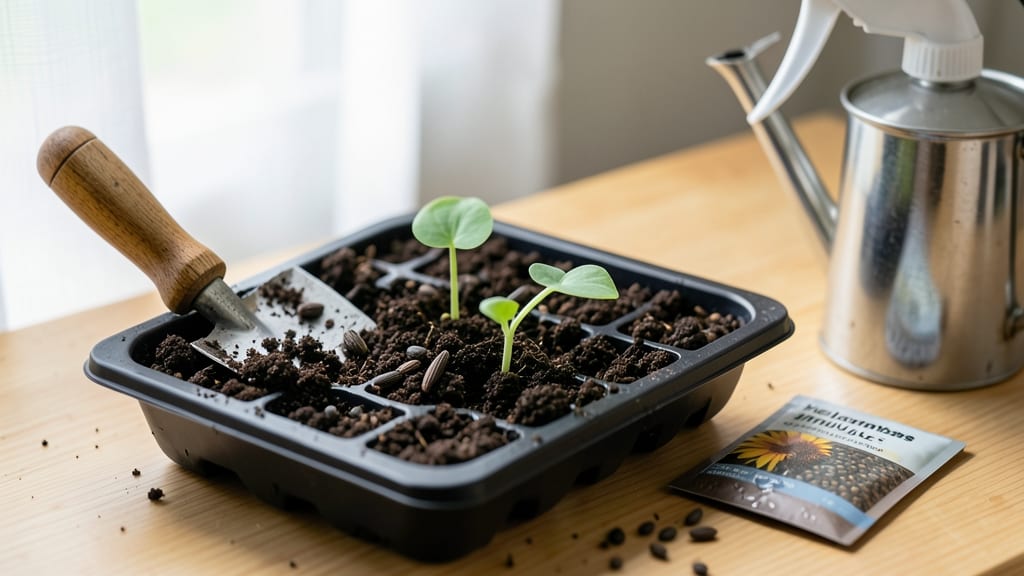
Sunflowers’ germination time typically spans 7–14 days when planted at the right depth and temperature, but those timelines can shift dramatically if conditions aren’t ideal.
Picture this: you’ve just tucked those giant 🌻 seeds into the soil, dreaming of towering blooms by summer, only to stare at bare earth for weeks. That’s the frustration of germination delays—and it’s avoidable with a few simple tweaks.
Soil temperature is the biggest factor: below 50°F, seeds can take twice as long to sprout, while warmth above 70°F speeds things up. Moisture matters just as much, and planting too deep (more than 1 inch) can smother those little sprouts before they even break through.
In this guide, I’ll break down the exact germination windows for common varieties, share my top 3 tricks to jumpstart slow starters, and help you troubleshoot when things go wrong—so you can go from seed to sunflower success.
How long do sunflower seeds take to germinate by variety?
If you've ever eagerly waited for those sunflower seeds to sprout, you know patience is key—but knowing the germination timeline by variety can save you from unnecessary worry.
Most sunflower seeds sprout within 7 to 14 days under ideal conditions, but the exact time depends on whether you're growing giant varieties, dwarf sunflowers, or oilseed types. Even small differences in soil temperature or moisture levels can shift that window by days or even weeks.
The fastest germination happens when soil stays between 70°F and 90°F, which is why spring planting after the last frost gives the best results. Cold soil below 50°F can stretch germination to 3 to 4 weeks, while overly hot soil above 95°F may cause seeds to dry out before sprouting.
Let’s break down what to expect for each popular type so you can plan your garden with confidence.
🌱 Pro Tip: For faster results, pre-soak seeds in warm water for 4 to 6 hours before planting. This mimics natural rainfall and can cut germination time by 2 to 3 days for all varieties.
For giant sunflower varieties, like 'Mammoth' or 'Russian Giant', expect sprouts to appear in 7 to 10 days if your soil is warm and moist. These varieties are heavy seed producers, so they prioritize energy toward root and stem growth early on.
In cooler climates, like USDA Zone 5 or below, germination can take up to 3 weeks, so consider using a seedling heat mat to maintain 70°F soil temps.
On the other hand, dwarf sunflowers, such as 'Teddy Bear' or 'Sunspot', are the fastest to germinate, often breaking soil in just 5 to 9 days.
Their smaller stature means they don’t need as much energy to establish roots, making them ideal for container gardening or early spring planting.
If you’re growing these in containers, keep them in a sunny spot indoors until the last frost, then transplant once they’re 3 to 4 inches tall.
Oilseed sunflowers, like 'NuSun' or 'Hysun', fall in the middle with 6 to 12 days of germination. These are often grown for their edible seeds and tolerate slightly cooler soil than giant varieties. However, they still prefer well
5 Pro tips to speed up sunflower germination (even in cold soil)
Cold soil can turn your sunflower seeds into a waiting game—sometimes stretching germination from 7–14 days to weeks or even months. The key to faster sprouts lies in mimicking their natural tropical conditions, where warm soil and consistent moisture trigger rapid growth.
Even in cooler climates, you can hack the system with simple techniques that bypass the chill factor and get those sunflower seedlings popping through the dirt in record time.
Sunflowers thrive when soil temperatures hover around 70–85°F, but they’ll still germinate in the 50–60°F range—just much slower. That’s where these pro tips come in.
Whether you’re dealing with early spring planting or a late frost, these strategies will help you outsmart the cold and coax your seeds to life faster than ever. Let’s dive into the exact methods that work, plus the common mistakes that silently sabotage your sprouting success.
- 💧 Pre-soak seeds in warm water for 4–6 hours to kickstart hydration and soften the outer shell.
- ☀️ Use a heat mat (70–80°F) to maintain consistent warmth—ideal for indoor starts or cold frames.
- 🌡️ Plant seeds in black plastic mulch to absorb sunlight and raise soil temperature by 5–10°F.
- ✂️ Thin seedlings to 12–18 inches apart once they sprout to prevent competition for warmth and nutrients.
- 🌱 Transplant after true leaves form (not just the first sprout) to reduce shock from temperature swings.
Start with pre-soaking your seeds—this isn’t just a shortcut, it’s a science-backed hack. Sunflower seeds have a hard outer shell that resists water absorption, and soaking them in warm (not hot) water for 4–6 hours softens the shell while activating enzymes that jumpstart germination.
Pro tip: Use a paper towel method—place seeds between damp towels in a sealed bag for 24 hours to keep them moist without overwatering. This can cut germination time by 30–50%, especially in cooler soils.
If your soil is still too cold to cooperate, a heat mat is your secret weapon. These affordable tools (available at garden centers) maintain a steady 70–80°F temperature, which is the sweet spot for sunflower seeds.
For outdoor planting, lay down black plastic mulch a few days before sowing—it absorbs sunlight and raises soil temps by 5–10°F, creating a microclimate that mimics ideal conditions. Even in USDA Zone 5, this can shave 5–7 days off your germination timeline.
Avoid these common germination killers: planting seeds too deep (stick to 1 inch max), letting soil dry out, or exposing them to temperature swings.
Sunflowers are sensitive to cold snaps, so if nighttime temps drop below 50°F, use a cloche or row cover to protect young seedlings. And remember—patience isn’t a virtue here. If seeds don’t sprout within 3 weeks under optimal conditions, they may have lost viability.
Don’t hesitate to replant!
Once your sunflowers break the soil, give them room to thrive. Crowding stresses seedlings and slows growth, so thin them to 12–18 inches apart once they’ve developed true leaves (the second set after the initial sprout).
This ensures each plant gets enough sunlight, water, and nutrients to grow into those towering beauties you planted for. With these tips, you’ll go from waiting weeks to watching sprouts emerge in just days—even in less-than-ideal conditions.
Ready to turn your sunflower patch into a fast-growing reality? Grab a heat mat, pre-soak those seeds, and watch your garden transform. The key is consistency—warmth, moisture, and patience—and soon you’ll be enjoying sunflowers that seem to grow overnight. Happy planting! 🌻