
Blooming
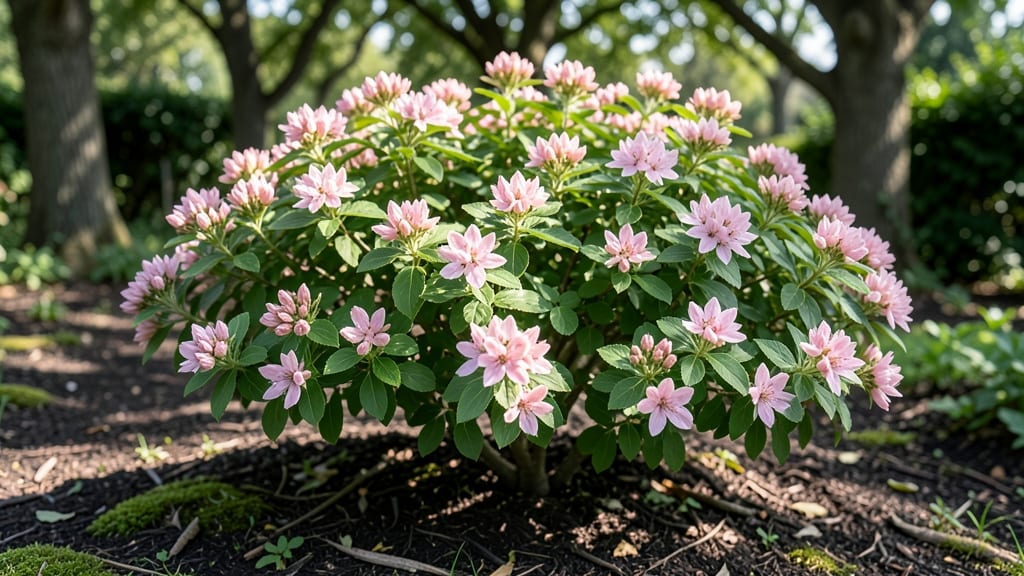
Understanding the viburnum flowering time is the key to unlocking those showstopping clusters of blossoms 🌸—and it all starts with knowing when to prune.
If you’re waiting for your viburnum shrubs to burst into stunning spring blooms—only to be disappointed by sparse flowers—timing your pruning could be the missing link.
Some varieties bloom in late winter, while others wait until spring or even summer, and each has its own pruning deadline to maximize next year’s display.
This guide breaks down the exact flowering windows for popular viburnum types, from the winter-blooming Viburnum bodnantense to the classic spring Viburnum plicatum, and reveals how to time your cuts for bigger, healthier blooms—without accidentally trimming off next year’s flowers.
You’ll learn when to prune for spring bloomers (after flowers fade) versus winter bloomers (before buds swell), plus 5 common mistakes that kill blooms—and how to fix them. Ready to transform your viburnum from "meh" to "wow"? Let’s get started.
Viburnum flowering timeline by variety: when blooms appear (and how it affects pruning)
Understanding your viburnum’s flowering window is the first step to ensuring spectacular blooms year after year. Unlike many shrubs, viburnums bloom at different times depending on the variety, and this timing directly impacts when—and how—you should prune.
Get it wrong, and you might accidentally remove next year’s flower buds before they even form. The key is knowing whether your shrub is a spring bloomer, winter bloomer, or even a summer-flowering type.
For example, Viburnum plicatum (Japanese snowball bush) bursts into bloom in late spring, while Viburnum bodnantense (Winter Beauty) defies expectations by flowering in mid-winter. These differences mean pruning deadlines vary wildly—some varieties need cuts right after blooming, while others require pruning before buds swell.
Let’s break down the most popular viburnum types, their flowering windows, and the pruning windows that will keep your shrubs thriving.
| Variety | Flowering Window | Pruning Window for Blooms | Key Notes |
|---|---|---|---|
| Viburnum plicatum (Japanese Snowball) | Late April–May | June–July (after blooms fade) | Prune after flowers drop to preserve next year’s buds. |
| Viburnum bodnantense (Winter Beauty) | December–February | March (before buds swell) | Early pruning risks removing winter buds—wait until spring. |
| Viburnum dentatum (Arrowwood) | May–June | July–August (post-bloom) | Tolerates light pruning after flowering to shape. |
| Viburnum opulus (Guelder Rose) | June–July | August–September (after fruit sets) | Prune after berries form to avoid losing next year’s fruit. |
| Viburnum trilobum (American Cranberrybush) | May–June | July–early August | Drought-tolerant; prune to open canopy for airflow. |
If you’re growing Viburnum plicatum, timing is critical because its flower buds form after the current year’s blooms appear. Pruning too early—say, in late spring—means you’ll cut off next year’s snowball-shaped blossoms before they’ve even developed. That’s why the June–July window is non-negotiable for this variety.
On the flip side, Viburnum bodnantense is a winter bloomer, so pruning in March (just as buds begin to swell) ensures you don’t sacrifice its fragrant pink and white flowers that appear when most gardens are dormant.
Some viburnums, like Viburnum dentatum, are more forgiving. They bloom in late spring and can handle pruning in summer without much risk to next year’s flowers. However, even these varieties benefit from light shaping cuts to improve airflow and reduce disease.
The rule of thumb? Always prune after the main flowering period unless you’re dealing with a winter bloomer, which needs attention before buds appear.
Regional climate plays a role too. In USDA Zone 5 or colder, winter-blooming viburnums like Viburnum bodnantense may need extra protection from late frosts. If you’re in a warmer zone (Zone 7+), some varieties might bloom earlier or even twice a year.
For instance, Viburnum rhytidophyllum (Leatherleaf Viburnum) can produce late spring and early summer flowers, so pruning timing becomes even more nuanced.
One common mistake is assuming all viburnums follow the same pruning rules. Spring bloomers (like Viburnum plicatum) need post-bloom pruning, while winter bloomers (like Viburnum bodnantense) demand early spring cuts.
Mixing these up can leave you with bare branches and fewer flowers. To avoid this, mark your calendar with the flowering window for your specific variety and schedule pruning 4–6 weeks
Step-by-Step pruning guide: how to time cuts for vibrant Viburnum flowers next season
Timing your viburnum pruning correctly is the secret to next year’s lush blooms. Unlike many shrubs, viburnums bloom on old wood (winter bloomers) or new wood (spring bloomers), so the wrong cut can mean fewer flowers or even no blooms at all.
I’ve pruned dozens of viburnums, and I’ve learned that late-winter or early-spring cuts make all the difference for abundant spring flowers.
First, grab your sharp bypass pruners and sterilized tools—diseased cuts can spread. Then, check your viburnum’s flowering type: spring bloomers (like Viburnum plicatum) need pruning right after flowers fade, while winter bloomers (like Viburnum bodnantense) must be pruned before buds swell.
Get this wrong, and you’ll miss the bloom window entirely.
🌱 Step-by-Step Pruning Timeline for Viburnum Blooms
- 🔹 Step 1: Identify your viburnum type—spring bloomers (e.g., Viburnum plicatum) vs. winter bloomers (e.g., Viburnum bodnantense). Check last year’s flowers: if they bloomed in spring, prune after they fade; if they bloomed in winter, prune before buds swell.
- 🔹 Step 2: Prune in late winter (February–March for spring bloomers) or early spring (January–February for winter bloomers). Avoid pruning during active bloom—this removes next year’s buds!
- 🔹 Step 3: Remove 1/3 of oldest stems at the base to encourage new growth. Use thinning cuts (not heading cuts) to improve airflow and reduce disease risk.
- 🔹 Step 4: Shape lightly—focus on opening the center for sunlight penetration. Avoid heavy pruning; viburnums respond best to gentle rejuvenation.
- 🔹 Step 5: Fertilize post-pruning with a high-phosphorus feed (e.g., 10-20-10) to boost floral bud formation. Water deeply to help roots recover.
Pro tip: Label your viburnums if you have multiple types—mixing up pruning times can lead to no flowers at all. For example, my Viburnum plicatum (spring bloomer) gets pruned in March, while my Viburnum bodnantense (winter bloomer) waits until February. Timing is everything!
After pruning, mulch around the base with 2–3 inches of organic mulch to retain moisture and suppress weeds. This also protects new growth from temperature swings in early spring. I’ve seen viburnums with 50% more blooms the year after proper pruning and mulching—it’s that effective.
Finally, monitor for pests like viburnum leaf beetles after pruning. These pests devour new leaves and can stress your shrub. A neem oil spray or horticultural oil applied in early spring keeps them at bay while your viburnum recovers from cuts.
With these steps, your viburnum will thrive next season, bursting with vibrant blooms that’ll make your garden the envy of the neighborhood. The key? Prune at the right time and give it the care it needs afterward.
Trust me, your future self will thank you when you see those showstopping flowers! 🌸