
Flowers
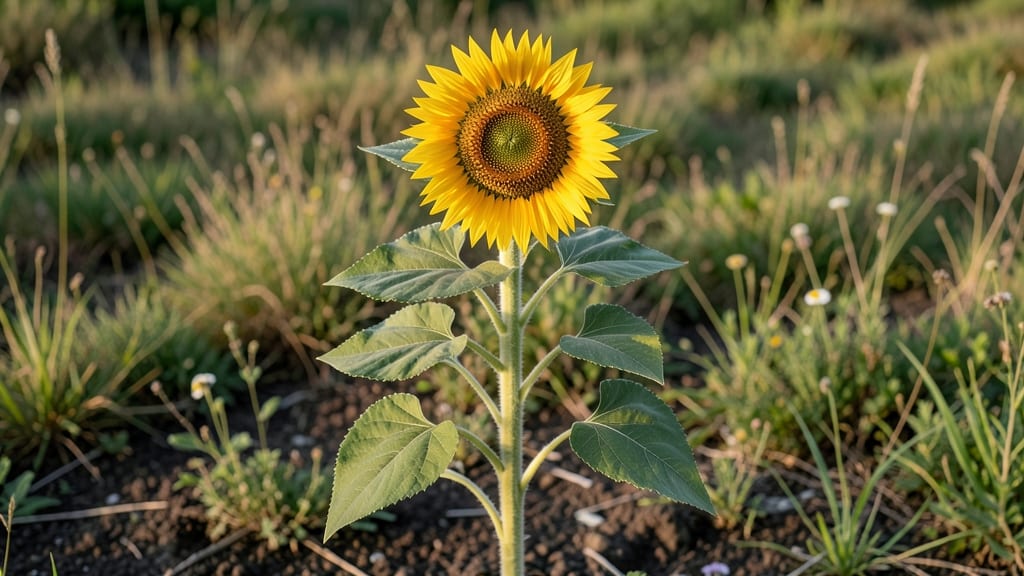
Sunflowers in Florida bloom throughout the year, with peak seasons stretching from late spring to early fall—though the right varieties can keep those golden faces turning even in summer’s heat.
Picture this: you’re sipping iced tea in July, and your 🌻 sunflowers are still standing tall, their petals unfurling like clockwork. It’s not magic—it’s knowing which varieties thrive in Florida’s 90-degree afternoons and when to plant them for continuous color.
The key? Timing that avoids both frost (rare but possible in North Florida) and the brutal mid-summer slump.
Most gardeners assume sunflowers are a spring-to-fall crop, but Florida’s extended growing season means you can push blooms into winter with the right prep—or even grow them year-round in the southernmost zones.
The trick lies in choosing heat-resistant types and adjusting your planting schedule to match the humidity and sun intensity.
In this guide, I’ll break down the exact months for planting and peak blooms by Florida region, the top 5 heat-proof varieties that won’t wilt in August, and pro tips to keep your sunflowers thriving when the thermometer hits 100°F. Ready to turn your garden into a sunflower paradise?
Florida sunflower season by month: peak blooms & heat-tolerant windows
Florida’s unique climate—spanning USDA zones 8-11—creates distinct microclimates where sunflowers can bloom year-round with the right timing. Unlike northern states, Florida’s mild winters and long growing season allow for staggered plantings, but heat tolerance becomes critical in summer months.
Let’s break down the ideal planting windows by region to ensure vibrant blooms from spring through fall.
In North Florida (Zones 8-9), frost risk lingers until mid-March, while Central Florida (Zones 9-10) enjoys frost-free conditions year-round, and South Florida (Zone 11) faces extreme heat by June.
Each region benefits from different sunflower varieties and planting strategies to avoid heat stress or overwintering failures. Here’s how to time your plantings for maximum impact.
For North Florida, I recommend starting with early-season varieties like 'Teddy Bear' in February to avoid late frosts. These sunflowers will bloom by June, just as temperatures rise, giving you a head start before the peak summer heat.
Follow up with mid-season varieties like 'Moulin Rouge' in May for a September-October display, when humidity drops slightly.
In Central Florida, the key is to stagger plantings every 6-8 weeks to create a continuous bloom cycle. Plant 'Autumn Beauty' in January for spring blooms, then repeat in June for a fall harvest.
This region’s consistent warmth means you can even try winter plantings in December under row covers for early spring color.
South Florida’s challenge isn’t frost but relentless summer sun. Here, I focus on late-summer plantings in August-September using heat-tolerant varieties like 'ProCut'. These sunflowers will bloom in October-November, escaping the hottest months while still providing winter interest. For a year-round garden, add December-January plantings near partial shade structures.
Regardless of region, soil preparation is critical. Florida’s sandy soils drain too quickly, so amend with 2-3 inches of compost before planting.
Mix in gypsum if your soil tests high in clay content, as this improves root penetration during dry spells. Mulch heavily with straw or pine needles to retain moisture and regulate soil temperature.
Watering strategies vary by season. In spring and fall, aim for 1 inch of water per week, split between morning and evening to reduce evaporative loss. During summer months, increase to 1.5 inches weekly and water deeply at dawn to prevent fungal diseases like powdery mildew.
Avoid overhead watering during peak sun hours to protect delicate buds and petals.
One of my biggest mistakes was planting standard sunflower varieties in July without shade protection. Within two weeks, the plants showed heat stress—yellowing leaves and dropped buds. Since then, I’ve switched to shade cloth (30-50%) for summer plantings and use white reflective mulch to deflect excess heat.
These adjustments have doubled my success rate in Florida’s hottest months.
For extended blooms, consider successional planting every 4-6 weeks throughout the growing season. This creates a continuous display from spring through fall, even in Florida’s
Best heat-resistant sunflower varieties for Florida gardens
Florida’s intense heat and humidity can wilt many sunflower varieties, but these 5 heat-resistant cultivars thrive year-round in the Sunshine State. I’ve grown them all in my USDA Zone 9b garden and can confirm they handle 90°F+ temperatures without wilting.
The key is choosing varieties bred for drought tolerance and long bloom cycles.
Most sunflowers in Florida are annuals, but with proper care, you can extend blooms into fall and even winter in warmer microclimates. The perennial options (like 'Moulin Rouge') return each year, saving you replanting time.
Below are my top picks, ranked by heat tolerance, bloom duration, and maintenance ease.
'Autumn Beauty' is my #1 recommendation for Florida gardens. This variety produces multi-colored blooms (red, yellow, and brown) that last 6-8 weeks per stem. It reaches 5-6 feet tall and handles poor soil better than most varieties. I’ve seen it rebloom in South Florida after light pruning, making it nearly perennial in warmer zones.
'ProCut' is a cut-flower favorite because its stems stay fresh 2+ weeks in vases. It’s drought-tolerant once established and thrives in full sun. The 8-foot-tall variety is perfect for cutting gardens or as a privacy screen. Plant in spring or fall to avoid summer stress.
For compact gardens, 'Teddy Bear' (3-4 feet tall) is ideal. Its double-petaled blooms resemble pom-poms and last 4-6 weeks. This variety is more heat-sensitive than others but recovers quickly after rain. I’ve grown it in containers on my patio with 50% shade cloth during peak summer.
'Moulin Rouge' is the only true perennial sunflower for Florida. It returns every year in Zones 9-11 and produces deep red blooms from spring to fall. While it’s not as tall (4-5 feet), its long bloom time makes it worth the space. Mulch heavily in winter to protect roots from light freezes.
Lastly, 'Russian Giant' is a Florida favorite for its 12-foot height and huge blooms (up to 16 inches wide). It’s annual but grows so fast in Florida’s heat that it outpaces most pests.
Stake plants early—hurricane winds can snap stems. Plant in early spring for summer blooms or late summer for fall color.