
Flowers
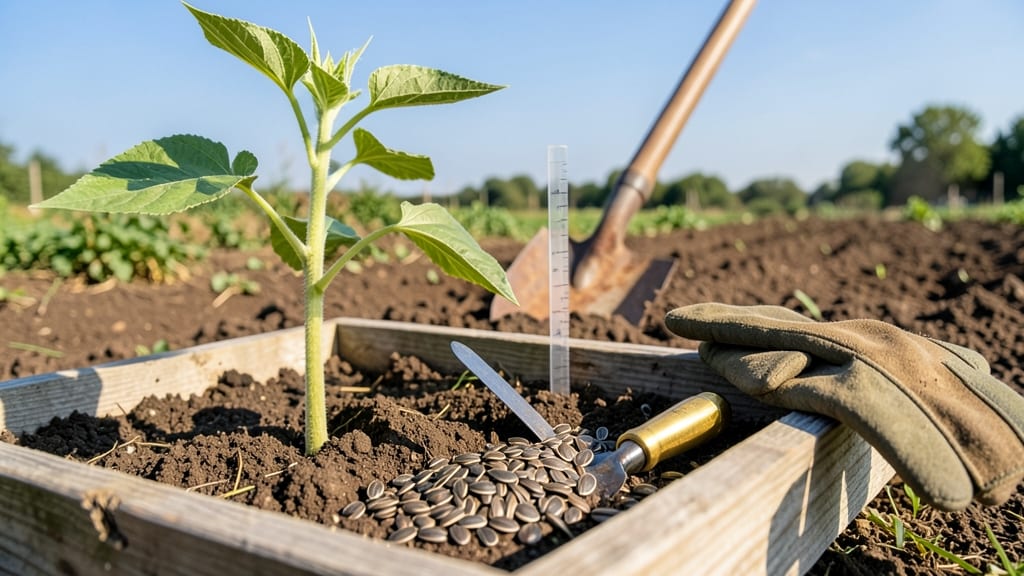
You can plant sunflowers in Florida year-round, but timing matters for stronger stems and bigger blooms—especially in the state’s heat.
Picture this: a 12-foot-tall 🌻 sunflower towering over your fence by summer, its petals glowing like a Florida sunset. That dream starts with the right planting window, not just any month. Too early, and your sunflowers bolt in the heat; too late, and they wilt before they bloom.
Florida’s frost-free climate means no waiting for spring, but regional differences still matter. North Florida’s cooler winters favor early spring plantings, while South Florida’s humidity demands fall starts. I’ll break down the best months by county so you can time your sunflowers for peak color.
Ready to grow sunflowers that thrive? You’ll learn how to prep soil, pick heat-tolerant varieties, and avoid common pitfalls—so your garden stays bright all year.
Florida sunflower planting calendar by county: best months for fast growth and blooms
Florida’s frost-free climate means you can grow sunflowers year-round, but timing matters for fast growth and vibrant blooms. North Florida’s cooler winters and South Florida’s intense summer heat create distinct planting windows. I’ll break down the best months by county so your sunflowers thrive without wilting under stress.
Sunflowers love Florida’s warmth but struggle with peak summer heat (June-August) and cool winter snaps in northern regions. The ideal window balances soil warmth (55°F+) and humidity—typically February-April for spring blooms and September-October for fall displays. Let’s dive into county-specific timing.
🌱 Key Insight: South Florida gardeners can plant almost year-round, while North Florida’s shorter growing season demands earlier starts. Central Florida strikes a balance with two prime windows.
| Region | Counties | Best Planting Months | Avoid Planting | Bloom Time |
|---|---|---|---|---|
| North Florida | Duval, Nassau, St. Johns | February-March | July-August | May-June |
| Alachua, Marion, Citrus | January-February or September | June-July | April-May or October | |
| Gadsden, Jefferson, Taylor | March-April | July-August | June-July | |
| Central Florida | Orange, Seminole, Osceola | February-March or September | June-July | April-May or October-November |
| Hillsborough, Pinellas, Pasco | January-February or August | July-August | March-April or September | |
| Polk, Lake, Sumter | February-March or September | June-July | May-June or October | |
| South Florida | Miami-Dade, Broward, Palm Beach | Year-round (best Nov-Jan) | None | December-April |
| Hendry, Collier, Monroe | September-October or January | June-July | November-December or February | |
| Lee, Charlotte, Sarasota | February-March or September | July-August | April-May or October |
🌡️ Heat Zone Tip: South Florida’s Zone 11 allows year-round planting, while North Florida’s Zone 8a requires earlier starts.
North Florida’s cooler winters (like in Jacksonville or Gainesville) mean sunflowers planted in February-March will bolt to bloom by May. The heat of July-August slows growth, so avoid planting then—your seeds may rot before sprouting.
For a second flush of blooms, try September plantings in counties like Alachua or Marion.
Central Florida’s milder winters (e.g., Orlando or Tampa) let you plant January-February for spring blooms or September for fall displays. The humidity spike in June-July can cause fungal issues, so skip planting then unless you’re using well-draining soil and shade cloth.
South Florida’s tropical climate (like Miami or Naples) lets you plant sunflowers year-round, but November-January yields the fastest growth. The dry season (December-April) is ideal for blooming, while summer rains can lead to leggy, weak stems. For tall varieties, plant in September to avoid hurricane season stress.
Pro tip: Use shade cloth (30-50%) for summer plantings in North or Central Florida to protect young seedlings from intense afternoon sun. In South Florida, focus on well-draining soil to prevent root rot during the wet season (June-November).
For fastest growth, choose heat-tolerant varieties like ‘Moulin Rouge’ (deep red blooms) or ‘Autumn Beauty’ (multi-colored). Dwarf varieties like ‘Teddy Bear’ thrive in containers and can be planted anytime in South Florida.
Remember: Sunflowers need 6-8 hours of sun daily. In shady spots (common in Central Florida’s summer or North Florida’s winter), growth slows dramatically. Stake tall varieties early to prevent wind damage—especially in coastal counties like Broward or Pinellas.
🌻 Final Tip: Harvest seeds when the back of the flower head turns yellow-brown—this ensures maximum germination for next year’s garden!
How to extend sunflower season in Florida: tips for year-round planting success
Florida’s warm climate lets you grow sunflowers almost year-round, but summer heat and humidity can shorten their lifespan. The key to year-round sunflower success lies in strategic planting, shade management, and soil prep.
By following these Florida-specific techniques, you can enjoy vibrant blooms from February through November—even in the hottest months.
Start by choosing heat-tolerant varieties like 'Moulin Rouge' or 'Autumn Beauty' that thrive in 90°F+ temperatures. These varieties handle Florida’s summer heat better than traditional types. Pair them with drought-resistant soil prep—amend your garden beds with compost and perlite to improve drainage and moisture retention during dry spells.
⚠️ WARNING: Common Mistake Alert! Sunflowers planted during peak summer (June-August) often bolt (flower too quickly) or develop blossom rot from excess humidity.
Avoid this by: - Planting in early spring (Feb-Mar) or fall (Sept-Oct) for best results - Using 30-50% shade cloth in summer to reduce stress - Watering deeply at soil level (not overhead) to prevent fungal diseases
For extended blooms, try succession planting every 2-3 weeks. This ensures a continuous display of flowers. Plant shorter varieties like 'Teddy Bear' near taller types to create a multi-tiered garden effect while maximizing space. These dwarf varieties also re-bloom after harvest, giving you extra flowers.
Companion planting with basil or marigolds deters pests like sunflower moths and aphids, which thrive in Florida’s humidity. Basil also improves sunflower flavor if you harvest the seeds. Space companions 12-18 inches away from sunflowers to avoid competition for nutrients.
Mulch heavily with straw or wood chips to retain moisture and regulate soil temperature. In summer, mulch keeps roots 5-10°F cooler than surface temps. For container-grown sunflowers, use self-watering pots and place them in partial shade during afternoon heat to prevent wilting.
Harvest spent blooms by cutting stems 2-3 inches above the base to encourage secondary blooms on many varieties. Save seeds from your healthiest plants for next year’s garden. With these techniques, you’ll enjoy sunflowers year-round—even in Florida’s toughest heat! 🌻