
Flowers
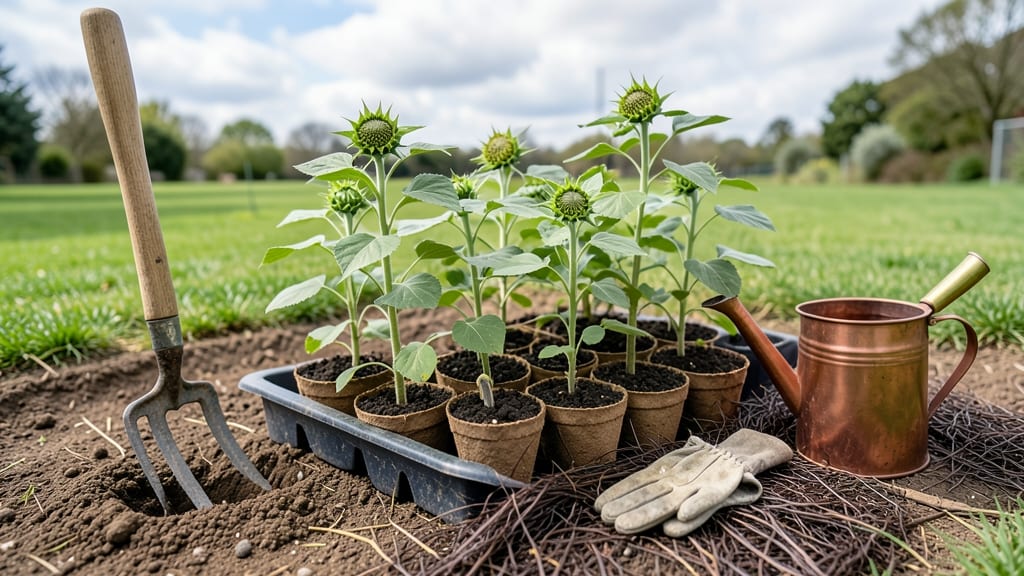
The best time to plant sunflowers in Florida is either late winter to early spring or fall—avoiding the brutal summer heat and rare frost risks that can stunt their growth.
Sunflowers 🌻 thrive in Florida’s warm climate—but planting them at the wrong time means stunted growth, weak stems, or even total failure. Timing is everything, especially when balancing Florida’s unpredictable frost risks and scorching summer heat.
For northern Florida (USDA zones 8a–9a), aim for February to March or September to October to give plants enough time to mature before summer’s peak. Southern Florida (zones 10a–11) can plant almost year-round, but fall is ideal to escape the worst humidity and heat.
Below, I’ll break down the exact months by region, the heat-tolerant varieties that work best, and how to prep your soil for bigger, stronger blooms—no matter where you garden in the Sunshine State.
Optimal sunflower planting windows in Florida: avoid frost, target heat tolerance
Florida’s climate offers year-round sunflower growing potential, but timing is critical to avoid frost damage in northern regions and heat stress in southern areas. Sunflowers thrive in warm soil (55°F+) and full sunlight, making late winter and early fall the sweet spots for planting.
In North Florida (USDA Zones 8a-9a), frost can still occur as late as January 15, while South Florida (Zones 10b-11) enjoys frost-free conditions year-round.
For maximum growth and vibrant blooms, I recommend two primary planting windows: February–March for spring blooms and August–September for fall harvests. These windows align with Florida’s temperature extremes—avoiding both frost risks and the peak summer heat that can stress young plants.
Heat-tolerant varieties like 'Autumn Beauty' or 'Mammoth Russian' are ideal for Florida’s climate, as they handle 90°F+ temperatures better than standard types.
Here’s how Florida’s frost-free zones influence your planting schedule:
| Region | Frost Risk | Best Planting Months | Heat Tolerance Tip |
|---|---|---|---|
| North Florida (Panhandle, Gainesville) | High (Jan–Feb) | Feb–March, Aug–Sept | Use 'Teddy Bear' for shorter seasons |
| Central Florida (Orlando, Tampa) | Low (Dec) | Jan–April, Sept–Nov | Avoid July–August planting |
| South Florida (Miami, Key West) | None | Year-round (best: Feb–March, Sept–Oct) | Prioritize 'ProCut' for heat |
In North Florida, where frost is still a threat, I plant sunflower seeds indoors in late January and transplant outdoors after the last frost date (typically mid-February). This head start ensures strong stems before spring heat arrives.
For fall planting, aim for August to give plants time to mature before cooling temperatures in November. In Central Florida, you can push planting to early January or late November, but monitor weather forecasts for unexpected cold snaps.
South Florida gardeners have the luxury of year-round planting, but I still recommend sticking to February–March and September–October windows. The summer monsoons (June–July) can lead to overwatering and fungal diseases, while winter humidity may cause powdery mildew.
Heat-tolerant varieties like 'Autumn Beauty' (8–10 ft tall) or 'Mammoth Russian' (12–15 ft) thrive in these conditions, producing bold, long-lasting blooms even in 95°F+ heat.
To maximize success, I always test soil temperature before planting—it should be at least 55°F. Use a soil thermometer to check depth (2–3 inches). If soil is too cold, wait or use black plastic mulch to warm it faster.
In containers, sunflowers grow faster due to warmer root zones, making them ideal for urban gardeners in cities like Miami or Jacksonville.
Another pro tip: Direct-seed sunflowers rather than transplanting, as they hate root disturbance. Plant seeds 1 inch deep and 12–24 inches apart, depending on the variety.
Dwarf types like 'Teddy Bear' (2–3 ft) can be spaced 12 inches apart, while giants like 'Mammoth' need 24+ inches to avoid crowding and stem weakness.
Watering is key, especially during Florida’s dry spells. Young plants need 1–2 gallons of water every 2–3 days, while mature plants tolerate drought once established. I water deeply in the morning to encourage deep root growth and reduce fungal risks.
In peak summer, mulch around plants with straw or wood chips to retain moisture and regulate soil temperature.
By aligning your planting with Florida’s microclimates and choosing heat-tolerant varieties, you’ll enjoy taller stems, brighter blooms, and longer vase life. Whether you’re growing sunflowers for cut flowers, birdseed, or garden decor, timing is the secret to success in the Sunshine State. 🌻
How to choose sunflower varieties for Florida’s climate: heat-resistant vs. fast-maturing options
Florida’s humid heat and long growing season make it perfect for sunflowers—but not all varieties thrive equally. Heat-resistant types like 'ProCut' handle summer’s intensity, while fast-maturing options like 'Teddy Bear' finish before hurricanes strike. Choosing the right variety ensures vibrant blooms and strong stems despite Florida’s challenges.
Start by matching your planting timeline to the variety. Spring-planted sunflowers (Feb–March) benefit from heat-tolerant giants like 'Mammoth Russian,' while fall plantings (Aug–Sept) suit dwarf varieties that mature quickly. Florida’s USDA zones 8a–11 mean frost is rare, but hurricane season (June–Nov) demands early harvests.
Soil prep is critical: Amend with compost for drainage, and test pH (6.0–7.0). Well-draining soil prevents root rot in Florida’s heavy rains. Water deeply 2–3 times weekly for young plants, then reduce to 1–2 times once established. Mulch with straw to retain moisture and suppress weeds.
| Variety | Heat Tolerance | Mature Height | Days to Mature | Best for Florida |
|---|---|---|---|---|
| 'ProCut' | ⭐⭐⭐⭐⭐ (Excellent) | 6–8 ft | 60–70 days | Summer plantings, cut flowers |
| 'Teddy Bear' | ⭐⭐⭐ (Moderate) | 2–3 ft | 50–55 days | Fall plantings, containers |
| 'Autumn Beauty' | ⭐⭐⭐⭐ (Good) | 5–6 ft | 70–80 days | Spring/fall, long vase life |
| 'Mammoth Russian' | ⭐⭐⭐ (Moderate) | 10–14 ft | 90–120 days | Cool-season plantings |
For South Florida’s heat (zones 10–11), prioritize short-season varieties like 'Early Bird' (50 days) to avoid peak summer stress. In North Florida (zones 8a–9), taller varieties like 'Russian Giant' thrive with extra water during dry spells. Always stake tall varieties (6+ ft) to prevent wind damage from storms.
Harvest sunflowers when the back turns brown and petals droop. Cut stems at a 45-degree angle to prolong vase life. Store seeds in a cool, dry place for future planting. Florida’s long harvest window (year-round in South FL) means you can enjoy fresh blooms or birdseed almost anytime.
Experiment with companion planting to boost yields: Pair sunflowers with basil (repels pests) or marigolds (deters nematodes). Avoid planting near potatoes, which compete for nutrients. With the right variety and care, your Florida sunflowers will shine brighter than ever! 🌻