
Planting
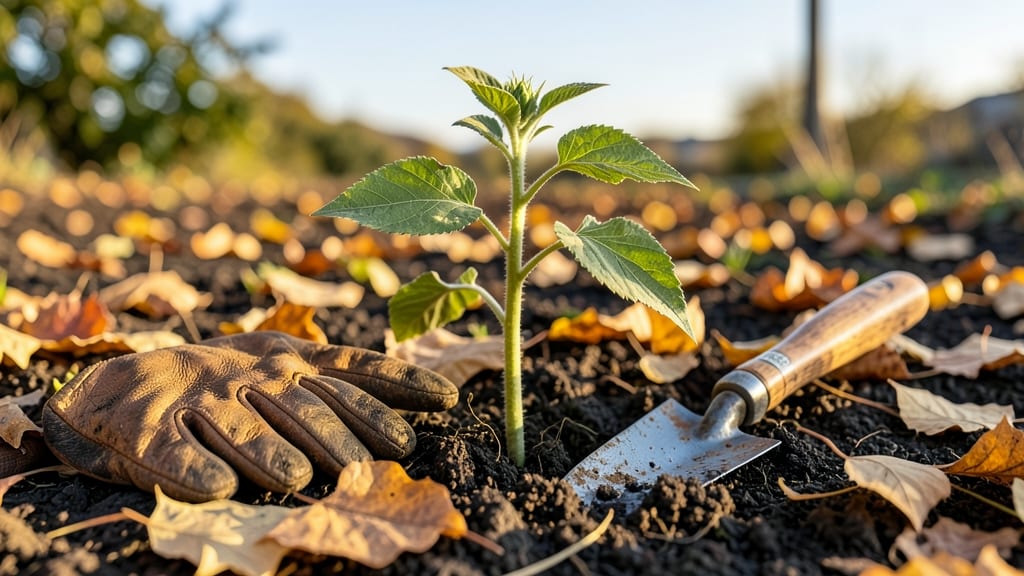
Planting sunflowers in fall is a smart move for gardeners in cooler climates who want to enjoy their towering 🌻 beauty before winter arrives.
You might assume sunflowers are strictly a summer crop, but with the right timing, they can actually grow stronger and more resilient when planted in late summer or early fall.
In USDA Zone 6a, where I garden, sunflowers planted between mid-August and mid-September have time to mature before the first frost—typically around October 20—while still benefiting from cooler temperatures that slow down pests and diseases.
Below, I’ll share the best varieties for fall planting, soil prep tips to ensure strong root growth, and care strategies to protect your sunflowers from early frosts—so you can enjoy their golden faces well into autumn.


Best fall planting times for sunflowers by US climate zone
Fall planting offers sunflowers a unique advantage—they can develop stronger stems and hardier roots before winter, often producing bigger blooms the following spring. However, timing is everything. Plant too early, and your sunflowers may bolt or struggle in cool soil.
Plant too late, and frost will cut their growth short. Let's break down the ideal fall planting windows for your USDA climate zone.
The key to successful fall sunflower planting is understanding your first frost date and soil temperature. Sunflower seeds need soil temperatures of at least 55°F (13°C) to germinate. Once planted, they should have 8-10 weeks of warm weather to grow before winter sets in.
This means counting backward from your average first frost date is your best strategy.
For example, if your first frost is October 20, aim to plant sunflower seeds by August 15 in most zones. This gives them enough time to germinate, grow, and even flower before cold weather arrives.
In warmer zones, you might extend this window slightly, but always prioritize soil warmth over late-season heat.
🌻
| USDA Zone | Fall Planting Window | Soil Temp Requirement | First Frost Date | Notes |
|---|---|---|---|---|
| Zones 3-4 | Late July - Early August | 55°F (13°C) minimum | Mid-September to Mid-October | Short growing season; choose dwarf varieties like 'Teddy Bear' |
| Zones 5-6 | Mid-August - Late August | 55°F (13°C) minimum | Late October to Early November | Ideal for semi-dwarf varieties like 'Autumn Beauty' |
| Zones 7-8 | Late August - Early September | 55°F (13°C) minimum | Mid-November to Early December | Longer season; standard varieties like 'Moulin Rouge' thrive |
| Zones 9-10 | Early September - Mid-September | 50°F (10°C) minimum | Late December to January | Mild winters; can plant later; try 'Russian Giant' for height |
In USDA zones 3-4, where winters are harsh, focus on dwarf varieties like 'Teddy Bear' or 'Moulin Rouge.' These sunflowers grow 3-5 feet tall and mature quickly, giving them a better chance to establish roots before frost.
Plant them in late July to early August, ensuring soil temperatures stay above 55°F (13°C).
For zones 5-6, you have a bit more flexibility. Semi-dwarf varieties like 'Autumn Beauty' (with its stunning bicolor blooms) perform well when planted in mid-August to late August. These sunflowers can handle cooler nights and still produce vibrant flowers before winter.
In warmer zones 7-8, you can push the planting window later, up to early September. This is perfect for standard varieties like 'Moulin Rouge,' which can grow up to 10 feet tall.
The extended growing season allows them to develop thicker stems and larger blooms, making them a stunning addition to winter landscapes.
If you live in zones 9-10, fall planting is almost like a second chance for sunflowers. With mild winters, you can plant as late as mid-September and even experiment with tall varieties like 'Russian Giant.'
These sunflowers can reach 12-16 feet tall and thrive in cooler temperatures, providing dramatic height and structure to your garden.
One common mistake gardeners make is planting sunflowers too late in the fall, hoping for a quick harvest. However, sunflowers need time to establish roots and germinate properly.
If planted too close to frost, seeds may rot in cold, wet soil. Always prioritize soil temperature over calendar dates—use a soil thermometer to confirm conditions are right.
For added protection, consider using row covers
How to prepare soil and choose sunflower varieties for fall planting
Fall planting of sunflowers can yield hardier stems and longer-lasting blooms before winter arrives. The key lies in soil preparation and selecting cold-tolerant varieties that thrive in cooler temperatures. Unlike summer plantings, fall sunflowers benefit from well-amended soil that retains moisture while preventing waterlogging as temperatures drop.
For best results, focus on loamy, well-draining soil with a pH between 6.0 and 7.0. Sunflowers hate soggy roots, so incorporate compost or aged manure to improve drainage while adding organic matter.
A 1-inch layer of mulch after planting helps regulate soil temperature and conserve moisture during fall's fluctuating weather.
| Variety | Cold Tolerance | Height | Fall Planting Notes |
|---|---|---|---|
| Autumn Beauty | Excellent | 3-5 ft | Bicolor blooms; thrives in USDA zones 3-9 |
| Moulin Rouge | Good | 4-6 ft | Deep red blooms; ideal for late-season color |
| Russian Giant | Moderate | 10-16 ft | Tallest variety; plant in sheltered spots |
| Teddy Bear | Very Good | 2-3 ft | Dwarf variety; perfect for containers |
When selecting varieties for fall, prioritize dwarf or semi-dwarf types in windy regions, as they're less likely to topple over before winter. 'Autumn Beauty' and 'Moulin Rouge' are top choices—they produce vibrant blooms even in cooler temperatures and often overwinter in USDA zones 5-9 with proper mulching.
Space seeds 6-12 inches apart depending on variety, with taller types needing more room to avoid crowding. For maximum late-season growth, plant in well-drained raised beds if your soil stays damp. This prevents root rot while allowing sunflowers to establish strong roots before winter.
After planting, water deeply but infrequently to encourage deep root growth. Fall sunflowers need consistent moisture but can't handle waterlogged soil. Aim for 1 inch of water per week, delivered in the morning to reduce fungal risks from evening dampness.
With the right soil prep and variety selection, your fall sunflowers will thrive through cooler months, providing color and structure in your garden well into winter. Just remember: mulch heavily once temperatures drop below 40°F to protect tender roots.