
Flowers
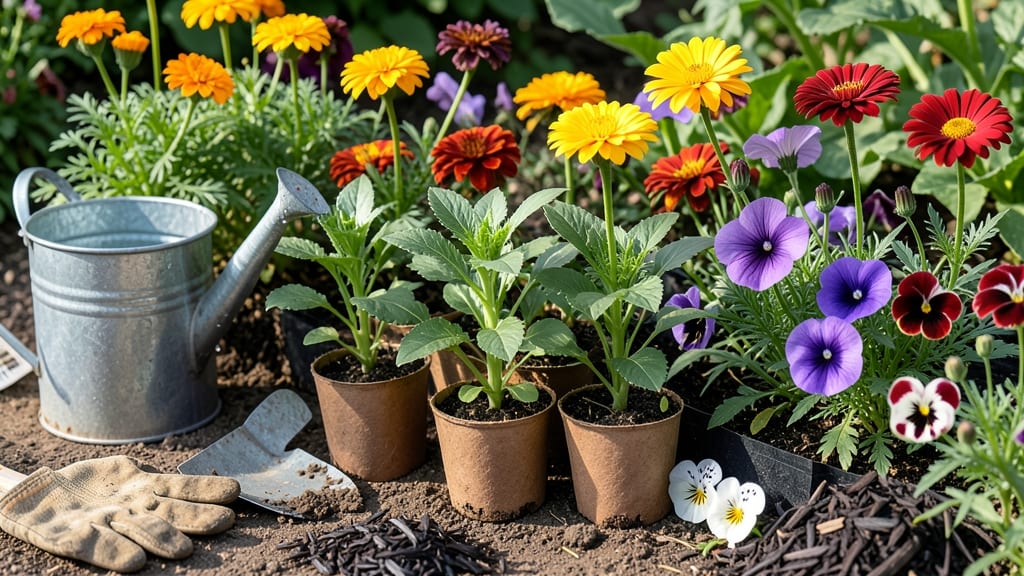
You can start planting flowers about 4-6 weeks before your last frost date—or late summer for fall blooms—when soil temperatures and daylight align with their needs.
Timing your flower planting just right can mean the difference between a vibrant garden and a season of waiting for blooms—so when exactly should you start? The answer depends on your local frost dates, flower types, and even your climate zone.
For USDA Zone 6a, like many northern gardens, early spring (around April 15) is prime time for cool-season flowers, while late summer offers a second chance for heat-loving varieties. Miss the window, and you risk stunted growth or late blooms.
Below, I’ll break down how to read frost dates, adjust for your region, and even extend your planting season with smart techniques—so you can enjoy 🌸 blooms all year.


How to determine your local frost dates for flower planting
Timing your flower planting is all about understanding your local frost dates. These dates tell you when to start seeds indoors or plant outdoors to avoid frost damage. For most flowers, you’ll want to plant 2-4 weeks before your last expected frost date, depending on the variety.
But how do you find these dates if you’re unsure?
Start by checking the USDA Plant Hardiness Zone Map, which divides the U.S. into 13 zones based on average minimum winter temperatures. Your zone helps narrow down your frost dates, but it’s not the full picture.
For example, Zone 5 typically has last frost dates between April 15 and May 15, while Zone 8 might see frost as late as December 15. However, zones alone don’t account for local variations.
Next, use the National Weather Service (NWS) Frost/Freeze Forecast or local agricultural extensions for precise dates. These resources provide historical frost data and short-term predictions.
For instance, if your area averages a last frost on April 20, you’ll want to plant frost-sensitive flowers like petunias or marigolds after that date. But if you’re growing cold-hardy flowers like pansies or snapdragons, you can plant them earlier.
Don’t forget to adjust for microclimates, which are small areas with unique weather patterns. A south-facing slope warms up faster than a shady valley, so frost dates may arrive 1-2 weeks earlier or later in these spots.
Observe your garden over a few years to spot patterns, like late frosts in low-lying areas or early frosts near water bodies.
| Step | Action | Tools/Resources |
|---|---|---|
| 1 | Find your USDA Zone | USDA Plant Hardiness Zone Map |
| 2 | Check historical frost dates for your area | National Weather Service, Almanac |
| 3 | Adjust for microclimates (e.g., slopes, valleys) | Personal garden observations |
| 4 | Calculate planting windows for flowers | Seed packet guidelines |
| 5 | Use row covers for early starts | Frost cloth, cold frames |
For example, if your last frost date is May 1, you’ll want to start warm-season flowers like zinnias or cosmos indoors 6-8 weeks before that date. If you’re planting cool-season flowers like pansies or calendula, you can sow seeds directly outdoors 4-6 weeks before your last frost.
Always check seed packets for specific recommendations, as some flowers thrive in cooler temperatures.
Another tool to consider is the Frost-Free Date Calculator from local gardening websites. These calculators factor in your zone, elevation, and even your latitude to give you a more accurate estimate.
For instance, a garden at 5,000 feet elevation might experience frost 2 weeks later than one at sea level in the same zone. Always double-check with a local gardening forum or extension office for insights from experienced growers in your area.
If you’re unsure whether a frost has passed, use the old gardener’s trick: place a glass jar of water outside overnight. If it freezes, frost is likely. For extra protection, use row covers or cold frames to extend your planting window by 2-4 weeks.
These tools create a microclimate that traps heat, allowing you to plant earlier or later than the official frost dates.
Finally, keep a gardening journal to track your frost dates over time. Note when frost occurs in spring and fall, and adjust your planting schedule accordingly. Over time, you’ll build a personalized frost calendar that’s more accurate than generic guidelines.
This is especially useful for unpredictable climates where frost dates can vary year to year.
By combining USDA zones, local weather data, and personal observations, you’ll gain confidence in your planting timing. Whether you’re growing annuals for summer color or perennials for long-term beauty, knowing your frost dates is the first step to a thriving flower garden. 🌸
Best flower planting times by region: frost-free guidelines
Getting your flower planting schedule right means the difference between a garden bursting with color and one that struggles to take off. The key? Knowing your local frost dates and adjusting for your region.
In colder climates, you’ll need to start seeds indoors 6-8 weeks before the last frost, while warmer zones can often plant directly in the ground as early as February or March. Let’s break down the best times by region so you can plan like a pro.
Your last frost date is the golden number—it tells you when the soil has warmed enough for tender flowers. For example, in the Northeast, last frosts typically hit in mid-April to early May, while the South sees frost-free soil as early as February or March.
The Midwest and West vary widely, with some areas frost-free by March and others waiting until May. Below, we’ll map out your planting windows by region, plus cold-hardy flowers that can brave early starts.
For perennials, timing matters too, but they’re often more forgiving. Plant them in early spring as soon as the ground is workable—usually 2-4 weeks before your last frost date.
Cold-hardy perennials like coneflowers, black-eyed Susans, and daylilies can even handle being planted in fall (6-8 weeks before the first frost) for an early start next season. Just avoid planting when the ground is frozen or waterlogged.
If you’re planting bulbs, like tulips or daffodils, the best time is in fall (6-8 weeks before the ground freezes). This gives them time to establish roots before winter. For tender annuals, like petunias or geraniums, wait until after the last frost—usually mid-to-late spring—to avoid frost damage.
Always check your local USDA Hardiness Zone for precise guidelines, as microclimates can shift frost dates by weeks!
Pro tip: Use row covers or cold frames to extend your planting season in cooler regions. This lets you plant 2-4 weeks earlier without risking frost damage.
And if you’re in a warmer zone, don’t wait too long—some flowers, like marigolds or zinnias, bolt (go to seed) in extreme heat. Aim to plant them in early spring or late summer for the best blooms.
Remember, soil temperature matters just as much as air temperature. Use a soil thermometer to confirm it’s at least 50°F (10°C) before planting seeds or seedlings. Cooler soils can delay germination, leaving your flowers playing catch-up all season.
With these regional guidelines, you’ll be well on your way to a bloom-filled garden that starts strong and stays vibrant all season! 🌸