
Flowers
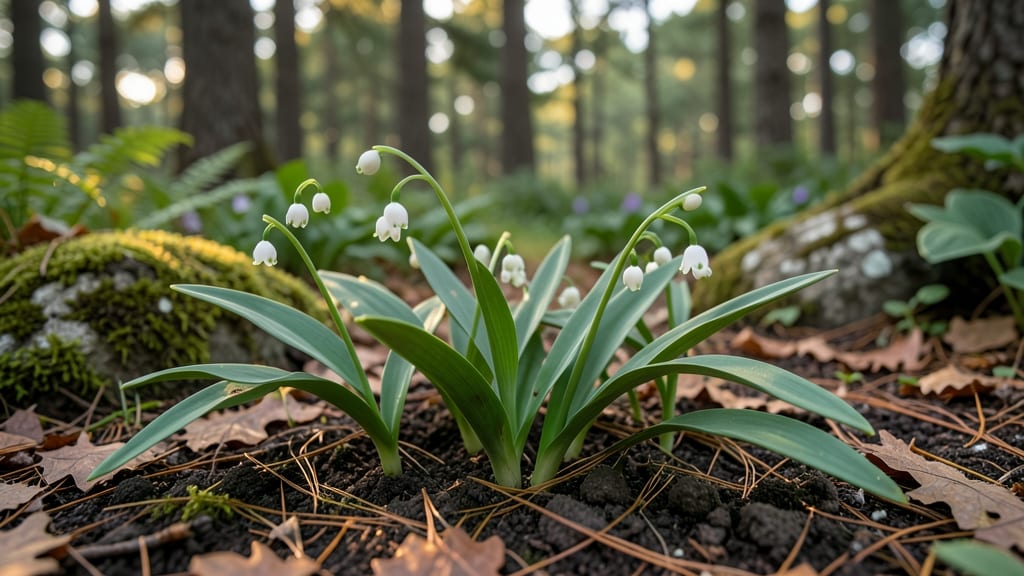
Lily of the valley flowers bloom in late spring, but the exact timing depends on your climate zone and how you care for them. If you’ve ever waited eagerly for those bell-shaped blooms to appear, only to be disappointed by a late start, you’re not alone.
In most temperate regions, including USDA Zone 6a, these fragrant flowers typically push through the soil in April or May, with peak blooming lasting 3-4 weeks.
However, cooler climates might see them as late as June, while warmer areas could enjoy an earlier show in March.
What you might not realize is that proper planting in fall (September-October) and consistent moisture can shift their bloom window by weeks. A well-placed partial shade spot and a light spring feeding also encourage earlier—and longer—flowering.
Below, I’ll break down the month-by-month bloom schedule by zone, plus 5 simple tricks to ensure your lily of the valley 🌸 puts on its best show year after year.
Lily of the valley blooming months by USDA climate zones: a detailed guide
Timing your lily of the valley blooms starts with understanding your USDA climate zone. These delicate flowers thrive in zones 3 through 9, but their bloom windows shift dramatically depending on whether you're in the northern cold regions or warmer southern climates.
In cooler zones like 3-5, expect blooms as early as late April to May, while southern zones 7-9 may see flowers as late as June or even July. Frost dates play a critical role—these plants need chilling periods to trigger blooming.
For gardeners in zones 6-8, the classic late spring bloom (May-June) is most common. However, regional microclimates can push blooms 2-4 weeks earlier or later.
For example, a Pacific Northwest garden in zone 7 might bloom in early May, while a Florida zone 9 garden could see flowers in late June. Always check your last frost date—blooms typically appear 4-6 weeks after the final frost.
| USDA Zone | Bloom Window | Key Factors | Regional Notes |
|---|---|---|---|
| 3-4 | Late May - Early June | Long chilling, late frost | Northern climates; mulch heavily |
| 5-6 | Early May - Late May | Moderate chilling, reliable frost | Classic spring blooms; avoid soggy soil |
| 7-8 | Late April - June | Mild winters, early warmth | Southern gardens; shade protection needed |
| 9 | June - Early July | Minimal chilling, heat tolerance | Late blooms; ensure consistent moisture |
In zones 3-4, where winters are harsh, lily of the valley often blooms late May to early June because they need extended chilling periods (typically 60-90 days below 40°F).
If you're in Minnesota or upstate New York, expect a short but vibrant bloom window—sometimes just 2-3 weeks. To extend this, plant in partial shade and mulch with 3-4 inches of organic matter to protect roots.
Gardeners in zones 5-6 enjoy the most predictable blooms, usually early to mid-May. This is the sweet spot for lily of the valley, where frost dates align perfectly with their natural growth cycle.
In Ohio or Pennsylvania, you might see double blooms if you plant early and late varieties side by side. For example, 'Variegata' (white with green stripes) often blooms 1-2 weeks earlier than the classic 'Alba' (pure white).
Southern gardeners in zones 7-9 face a different challenge: heat can delay blooms or cause flowers to bolt prematurely. In Georgia or the Carolinas, blooms may stretch from late April to June, but July heat often signals the end of the season.
To combat this, provide afternoon shade and increase watering frequency during dry spells. In zone 9, where winters are mild, blooms can appear as late as early July, but the plants may need artificial chilling (like a cool garage) to trigger reliable blooming.
Frost dates are the single most important factor in lily of the valley bloom timing. These plants cannot tolerate frost while flowering, so timing your last frost date is crucial.
For instance, in zone 5, if your last frost is May 10, expect blooms 4-6 weeks later (around June 1). In zone 8, with an earlier last frost (March 15), blooms may start as early as late April.
Always check your local agricultural extension service for precise frost data—it can shift 1-2 weeks from year to year.
For gardeners in transition zones (6-7), where microclimates vary widely, consider planting multiple varieties to spread out blooms. 'Picturata' (speckled flowers) often blooms earlier than 'Alba', while 'Aureovariegata' (gold-edged leaves) may bloom slightly later.
This strategy ensures you have continuous fragrance and color from late April to June
How to extend lily of the valley blooming season with simple gardening hacks
Lily of the valley (Convallaria majalis) typically blooms in late spring, but with the right techniques, you can coax earlier or later flowers. The key lies in understanding their natural growth cycle and making small adjustments to your gardening routine.
By optimizing soil conditions, light exposure, and mulching strategies, you can extend that fragrant display by weeks—even months!
These delicate plants thrive in cool temperatures and moisture-rich soil, but they’re surprisingly adaptable. The secret to prolonging blooms? Mimicking their ideal environment while encouraging robust root development.
Let’s explore the simplest yet most effective hacks to transform your garden into a lily of the valley paradise with extended fragrance and color.
- 1 Plant in well-draining, organic-rich soil with a slightly acidic pH (6.0-7.0) to encourage vigorous root growth.
- 2 Provide partial shade (morning sun + afternoon shade) to prevent heat stress while maintaining 60-70% humidity.
- 3 Apply 2-3 inches of mulch (wood chips or straw) in early spring to retain moisture and regulate soil temperature.
- 4 Plant near hostas or ferns to create a microclimate with consistent moisture and shade.
- 5 Deadhead spent blooms in late spring to redirect energy to foliage, which stores nutrients for next year’s earlier blooms.
One of the easiest ways to extend blooming is by adjusting sunlight exposure. Lily of the valley prefers partial shade, but if your garden receives too much direct sun, consider dappled shade from nearby trees or a sheer fabric shade cloth.
This prevents the soil from drying out too quickly, which delays flowering. In cooler climates (USDA Zones 3-5), you might even see late summer blooms if the plant receives consistent moisture.
Mulching is another game-changer. A thick layer of organic mulch (like shredded bark or leaf mold) helps maintain even soil temperatures and reduces water evaporation. Apply mulch in early spring and replenish it in fall to protect rhizomes from temperature fluctuations.
This simple step can push blooms 2-3 weeks earlier in the season.
For gardeners in warmer climates (Zones 6-9), focus on companion planting to create a cooler microclimate. Pair lily of the valley with hostas or astilbes, which thrive in similar conditions and provide shade.
This combination not only extends the blooming window but also enhances the garden’s overall fragrance and visual appeal. Just avoid planting near competitive perennials that steal nutrients.
Finally, don’t overlook the power of light fertilization. In early spring, apply a balanced 10-10-10 fertilizer (1 tablespoon per plant) to encourage lush foliage, which directly impacts bloom production.
Avoid heavy feeding in summer or fall, as this can stimulate tender new growth that won’t survive winter. The goal is to strengthen roots, not force rapid growth.
With these simple adjustments, you’ll enjoy prolonged lily of the valley blooms—sometimes even a second flush of flowers in late summer. The key is consistency: moisture, shade, and organic matter are your best friends for a fragrant, long-lasting display. Happy gardening! 🌸