
Flowers
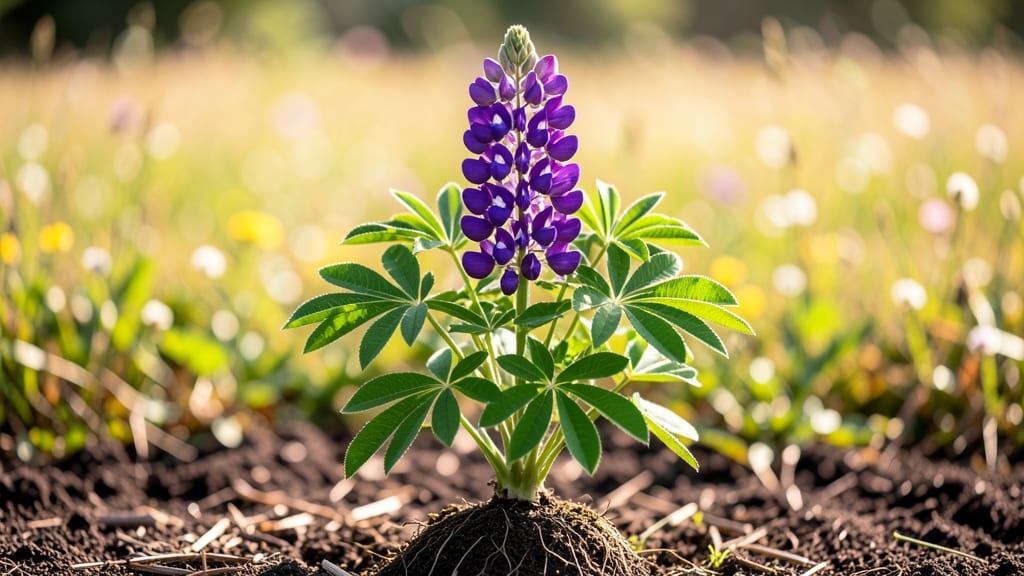
Lupins flower in late spring to early summer 🌸, but the exact timing depends on your variety and climate zone—some burst into bloom by May, while others wait until July.
If you’ve ever admired lupins’ striking spikes but wondered when they’ll bloom in your garden, timing is everything—especially since varieties and climates dramatically shift their flowering windows.
In cooler USDA Zone 6a, like much of the Midwest, lupins often start flowering in early June, while warmer southern regions may see blooms as early as April. Annual lupins tend to flower faster than perennials, which can take a few years to reach their full, dramatic height.
Below, I’ll break down how to predict your lupins’ bloom time, adjust care for your climate, and even coax extra weeks of vibrant flowers with simple tricks.
Lupin flowering seasons by variety: spring vs summer bloomers
Lupins (genus Lupinus) are stunning perennials and annuals known for their spiky flower clusters in vibrant colors like blue, purple, pink, and white. But their blooming windows vary wildly depending on the variety and climate.
Some burst into color in early spring, while others wait until summer—knowing which is which helps you plan your garden for maximum impact.
As a gardener who’s experimented with lupins across USDA zones 3–9, I’ve learned that timing isn’t just about the calendar—it’s also about the specific lupin species and your local frost dates.
For example, Lupinus polyphyllus (the classic garden lupin) typically blooms in mid-to-late spring, while Lupinus arboreus (tree lupin) thrives in summer heat. Let’s break it down by variety so you can choose the perfect lupins for your seasonal garden.
| Variety | Bloom Season | USDA Zones | Height | Notes |
|---|---|---|---|---|
| Lupinus polyphyllus | Mid-to-late spring (April–June) | 3–9 | 3–5 ft | Classic perennial; thrives in cool climates. |
| Lupinus arboreus | Summer (June–August) | 7–10 | 4–6 ft | Drought-tolerant; loves heat. |
| Lupinus nanus | Late spring (May–July) | 4–8 | 1–2 ft | Dwarf variety; great for borders. |
| Lupinus albus | Spring (March–May) | 5–10 | 2–4 ft | Annual; fast-growing for early color. |
| Lupinus nootkatensis | Late spring (May–June) | 3–7 | 3–5 ft | Cold-hardy; loves coastal climates. |
If you’re in cooler zones (3–6), focus on spring-blooming perennials like Lupinus polyphyllus or Lupinus nootkatensis. These varieties often bloom as early as April, providing a splash of color right after winter.
In warmer zones (7–9), summer-blooming types like Lupinus arboreus shine, thriving in the heat and extending your flowering season until August or later.
Regional frost dates also play a huge role. For example, in Zone 5, I’ve seen Lupinus polyphyllus bloom as early as late April if planted in a sheltered spot, while in Zone 9, the same variety might wait until May or June due to milder winters.
Always check your last frost date and plant accordingly—lupins hate being transplanted, so direct sowing is key.
Annual lupins, like Lupinus albus, are your best bet for early spring color. They germinate quickly and bloom in just 8–10 weeks, making them perfect for filling gaps in your garden before perennials take over.
Perennial lupins, on the other hand, reward patience with longer-lived plants that return year after year, though their first bloom might take 12–18 months to appear.
Pro tip: To extend your lupin season, mix spring and summer varieties. For instance, plant Lupinus polyphyllus (spring) alongside Lupinus arboreus (summer) to ensure continuous blooms from April through August. Pair them with companion plants like delphiniums or hollyhocks for a dramatic, layered effect in your garden beds.
One common mistake I see is assuming all lupins bloom at the same time. Dwarf varieties like Lupinus nanus might bloom a month later than their taller cousins, so always read the seed packet or plant tag for exact timing.
And remember: well-draining soil and full sun are non-negotiable for consistent blooming across all varieties.
For gardeners in transition zones (6–8), where spring can be unpredictable, I recommend Lupinus polyphyllus hybrids—they’re bred to handle temperature swings and often produce two bloom cycles: one in spring and a lighter rebloom in fall.
This flexibility makes them a favorite for my Zone 7 garden, where cool springs and hot summers can otherwise throw off timing.
Finally, don’t overlook post-bloom care. After lupins finish flowering, cut back faded spikes to encourage a second flush of blooms in some varieties, especially perennials. This simple step can add weeks to your flowering season and keep
Climate factors that delay or advance lupin blooming
Lupins are stunning perennials that reward gardeners with vibrant blooms, but their flowering timeline can shift dramatically based on your local climate. Temperature fluctuations, sunlight exposure, and even soil moisture play critical roles in determining whether your lupins burst into color early or lag behind schedule.
Understanding these factors helps you adjust care routines to encourage timely—or even extended—blooming seasons.
For example, cooler climates (USDA zones 3–5) often delay lupin blooms until late spring, while warmer regions (zones 7–9) may see summer flowering. Even within the same zone, microclimates—like a sheltered garden spot—can advance blooms by 2–4 weeks compared to exposed areas.
Let’s break down how to optimize your lupins’ flowering schedule based on your specific conditions.
⚠️ Critical Warning: Soil pH and Moisture Missteps
Lupins hate soggy soil—excessive moisture can delay blooms by 3–6 weeks—while alkaline soil (pH >7.0) starves them of essential nutrients. Test your soil’s pH and drainage before planting: lupins thrive in acidic to neutral soil (pH 6.0–7.0) with well-draining beds. Amend clay soil with compost or sand to prevent root rot, which halts flowering entirely.
Sunlight is another game-changer: lupins need 6+ hours of direct sun daily to trigger blooming. In shady gardens, flowering may be sparse or delayed until late summer.
If your lupins are in partial shade, consider relocating them or supplementing with a reflective surface (like a white wall) to maximize light exposure. Even a 1–2 hour increase in sunlight can push blooms forward by 1–2 weeks.
Temperature also sets the stage for lupin blooms. Cold snaps in early spring can pause growth entirely, while consistent warmth above 60°F (15°C) signals the plant to focus on flowering. In hotter climates, lupins may bloom earlier but fade faster—mulching with straw helps retain moisture and cool roots.
Conversely, in northern climates, a cold frame or row cover in late winter can accelerate bud formation.
Moisture balance is equally critical: drought stress causes lupins to conserve energy, delaying blooms, while overwatering leads to root rot. Aim for deep watering 1–2 times per week, letting the top 2 inches of soil dry between sessions.
In container gardens, lupins dry out faster—check soil moisture daily during heatwaves. A self-watering pot can prevent stress-related delays in flowering.
Finally, soil fertility impacts timing: lupins are light feeders but respond well to a balanced fertilizer (5-10-10) applied in early spring. Avoid heavy nitrogen—it promotes foliage over flowers. For second-year lupins, a low-phosphorus feed in late summer can encourage a fall rebloom in warmer zones.
With these adjustments, you’ll fine-tune your lupins’ schedule to align with your garden’s peak display goals.