
Blooming
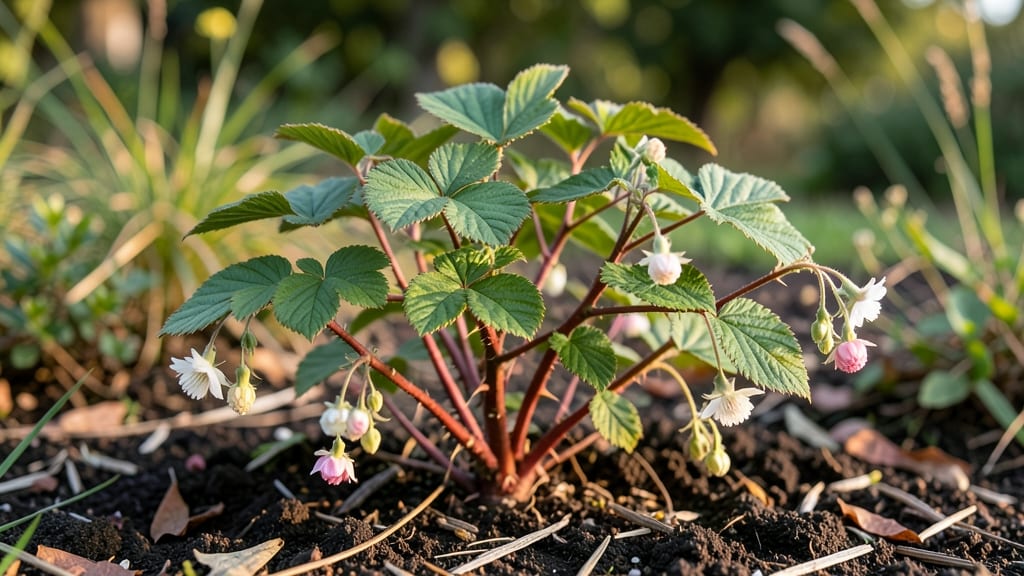
Raspberries flower in late spring to early summer 🍇 — the prime time for pollinators and fruit development, but timing can make or break your harvest.
Did you know raspberries bloom twice a year—but only one flush produces sweet, juicy fruit? Timing their flowers correctly is the secret to a bountiful harvest, and getting it wrong can leave you with bitter berries or none at all.
In USDA Zone 6a, like most of the Midwest, your raspberries will likely burst into bloom between May and June, depending on the variety and weather.
Summer-bearing types (the most common) rely on those early flowers for their entire year’s crop, while fall-bearing varieties might surprise you with a second round in late summer.
Below, I’ll break down exactly when to expect those delicate blossoms, how climate and care affect bloom time, and the simple steps you can take to ensure your bushes put their energy into fruit—not just leaves.
Raspberry flowering timeline: seasonal blooms explained
Raspberries are unique because they bloom twice in one season—but only one of those flushes actually produces fruit. Understanding when raspberries flower helps you predict harvests and troubleshoot issues like poor yields.
The key lies in distinguishing between primocanes (first-year canes) and floricanes (second-year canes), which have completely different flowering patterns.
Most raspberry varieties fall into two categories: summer-bearing (produce fruit on floricanes) and fall-bearing (produce fruit on primocanes). Your climate zone, soil health, and even last year's pruning decisions all influence when those delicate white or pink flower clusters appear.
In USDA zones 5-9, timing can shift by weeks depending on whether you're in a cooler Pacific Northwest region or a hotter Southern state.
Why timing matters: Flowers that appear too early may frost-damaged, while late blooms might struggle to ripen before fall. The prime pollination window—when bees are most active—directly impacts fruit set. Miss this window, and you'll end up with sparse harvests or small, seedy berries.
In USDA Zone 5, summer-bearing varieties like Boyne or Heritage typically flower in late May to early June, while fall-bearing types such as Heritage Gold bloom in mid-July. Warmer zones like Zone 9 see earlier blooms—sometimes as early as April for summer-bearing varieties.
Pay attention to your local last frost date, as flowers exposed to frost will drop off without setting fruit.
Identifying flower buds early helps you plan. Look for tiny green clusters along last year's canes (floricanes) in spring or new growth (primocanes) in summer. These buds swell into 1-inch flower clusters just before opening.
For summer-bearing types, these clusters appear on woody, brown canes that survived winter, while fall-bearing varieties develop flowers on current year's green growth.
Climate plays a huge role. Cool, wet springs can delay flowering by 2-3 weeks, while hot, dry conditions may cause buds to drop. In the Pacific Northwest, raspberries often flower later due to cooler temperatures, while Southern states might see earlier blooms followed by heat stress.
If you notice flowers appearing but not opening, check for pollen viability—some varieties need cross-pollination from nearby plants.
Pruning mistakes can also shift bloom timing. If you remove all old canes in winter, summer-bearing varieties won't have floricanes to flower. Conversely, leaving too many canes can overcrowd flowers, reducing fruit quality. Always prune after harvest to avoid cutting off next year's flower buds.
Pro tip: Mark your calendar when you see the first 10-15 flower clusters—this signals the start of your 6-8 week harvest window. For fall-bearing types, these late-summer blooms mean your fruit will ripen in September or October, just in time for preserves or fresh eating.
🌱 Understanding these patterns lets you predict harvests, adjust care routines, and even extend your fruiting season by choosing the right varieties for your climate. Next time you spot those delicate raspberry blossoms, you'll know exactly what they mean for your berry bounty! 🍇
How to maximize raspberry flowering for bigger harvests
Raspberries produce fruit only from floricanes—the second-year canes—but their primocanes (first-year growth) hold the flowers that will become next year's harvest. To maximize flowering, focus on creating ideal conditions for both cane types.
I’ve learned that even 6-8 hours of sunlight can double your bloom potential, but timing and care matter just as much.
Start by understanding your raspberry variety. Summer-bearing types bloom once in spring, while fall-bearing (everbearing) varieties produce two flushes—spring and fall. Knowing this helps you adjust pruning and fertilization schedules. For example, fall-bearing types need careful management to avoid overloading canes, which can reduce fruit quality.
One common mistake I see is over-fertilizing with nitrogen in late summer. While lush green leaves look healthy, they divert energy from flower development. Instead, switch to a low-nitrogen, high-phosphorus fertilizer (like 5-10-10) in late summer to encourage root and flower growth for next year’s crop.
Another critical factor is watering consistency. Raspberry flowers are delicate and can drop off if the soil dries out or becomes waterlogged.
I’ve found that drip irrigation or soaker hoses work best, delivering water directly to the roots without wetting the foliage—this reduces fungal diseases like botrytis, which can destroy blossoms.
Finally, watch for pests like spider mites or diseases like cane blight, which can stress plants and reduce flowering. Use neem oil or insecticidal soap early in the season to protect buds. A healthy plant with strong canes will always produce more flowers—and bigger harvests.