
Plants
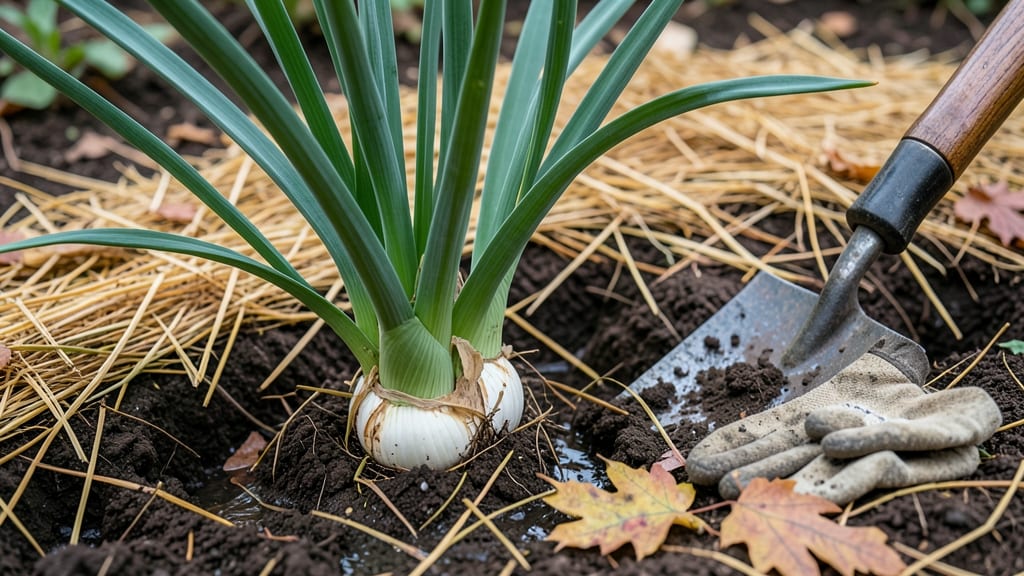
Planting garlic in North Carolina at the right time ensures bold, flavorful bulbs instead of bitter disappointment—because timing is everything for this hardy crop.
Picture this: you’ve spent hours prepping your soil, only to watch your 🧄 garlic bolt or rot because you planted too early or too late. That’s the difference between a perfect harvest and wasted effort.
North Carolina’s USDA zones 6b-8a mean your ideal window is October to November, when soil temps drop but frost hasn’t yet arrived. Hardneck varieties thrive in cooler climates, while softnecks handle milder winters—both need the right timing to avoid bolting.
Below, I’ll break down the exact months to plant, soil prep secrets, and how to protect your crop through winter so you end up with plump, prize-worthy garlic by summer.
North Carolina’s ideal garlic planting window: month-by-month breakdown
North Carolina’s diverse climate zones (5b-8a) create unique challenges for garlic growers. Unlike northern states, NC’s mild winters and humid summers demand precise timing to avoid bolting or weak bulb development.
The key? Planting when soil temps hit 60°F but before hard frosts lock in—typically October through November, with regional adjustments.
Garlic thrives on cold dormancy followed by spring warmth. In NC’s Zone 6b (mountains), plant by mid-October; in Zone 8a (coastal), extend until early December.
Hardneck varieties need 40-60 days of winter chill, while softnecks tolerate milder winters. Let’s break down the perfect planting window month-by-month to ensure zero-bolt success.
| Month | Zone 6b (Mountains) | Zone 7a (Piedmont) | Zone 8a (Coastal) | Key Notes |
|---|---|---|---|---|
| September | Early planting possible if soil >60°F | Late September only (soil prep) | Not recommended (too warm) | Soil temp must stay above 50°F |
| October | Ideal window: Mid-October | Best time: Early-October | Good until mid-October | Hardnecks need 40+ chill days |
| November | Last chance: Early November | Extend to late November | Plant until December 1 | Soil must freeze by January |
| December | Risky (limited chill) | Possible in mild winters | Best for softnecks | Use mulch for insulation |
| January-February | Too late for fall planting | Not recommended | Not recommended | Spring planting leads to bolting |
For Zone 6b gardeners, aim to plant by October 15th to ensure garlic gets enough winter chill before soil freezes. In Zone 7a, extend planting until November 1st—this gives hardnecks like ‘Music’ or ‘German White’ the 40-60 days of cold they crave.
Coastal Zone 8a growers have the most flexibility, planting until December 1st, but focus on softneck varieties like ‘Silverskin’ that tolerate milder winters.
Soil temperature is more critical than air temperature. Use a soil thermometer to confirm temps between 50-60°F at planting time. If soil is too warm (70°F+), garlic will bolt prematurely. In Zone 6b, soil temps drop below 50°F by late October, so plant early.
In Zone 8a, soil stays warm longer—wait until November when nights dip into the 50s.
Mulching plays a crucial role in NC’s unpredictable winters. After planting, apply 4-6 inches of straw or leaves to insulate bulbs from freeze-thaw cycles that can damage roots. Remove mulch in late winter (February) to prevent rot as temps rise.
This insulation trick works especially well in Zone 7a, where winters fluctuate wildly between freezing and thawing.
Hardneck varieties like ‘Chesnok Red’ or ‘Inchelium Red’ need at least 40 days below 40°F to form proper bulbs. If you’re in Zone 8a and planting late (November/December), choose softneck varieties like ‘Artichoke’, which store longer and tolerate warmer winters. For Zone 6b, prioritize hard
How to time your garlic planting for zero bolting in NC’s unpredictable winters
North Carolina’s variable winters can turn your garlic dreams into bolting disasters if you’re not strategic. The key to avoiding premature bolting lies in understanding soil temperatures and adjusting your planting schedule based on your microclimate—whether you're in the mountains or near the coast.
Even a 2-week difference in timing can mean the difference between perfect bulbs and disappointing scapes.
Garlic needs 60-80 days of cold temperatures below 40°F to form bulbs properly. In North Carolina’s USDA zones 6b-8a, this means planting between mid-October and mid-November for most regions.
However, coastal areas like Wilmington (zone 8a) can plant as late as December 1st, while the mountains (zone 6b) should plant by October 15th to avoid winter kill.
⚠️ callout warning ⚠️
Planting garlic too early (before October 1st) risks winter kill in NC’s colder zones, while planting too late (after November 15th) leads to bolting before bulb maturity. Use a soil thermometer—ideal planting soil temps are 40-50°F. Mountain gardeners: aim for October 1-15. Coastal gardeners: November 1-15.
🌱 Pro Tip: Hardneck varieties need more cold than softnecks—plant them 2 weeks earlier.
To protect your garlic from unpredictable freezes, use row covers or straw mulch (4-6 inches thick) once temperatures drop below 20°F. In the mountains, where winters are harsher, consider black plastic mulch in early spring to warm the soil faster.
Coastal areas benefit from raised beds, which drain better and warm up quicker in spring.
Another trick is to plant in stages—sow half your cloves in early October and the rest in mid-November. This staggered approach ensures some garlic gets enough cold while others avoid bolting from warm spells.
For example, if your November temperatures spike above 60°F, the later-planted garlic will still have time to vernalize properly.
Watch for bolting signs: tall flower stalks (scapes) appearing before the lower leaves yellow. If you see this in March or April, your garlic planted too late.
To fix it, harvest the scapes (they’re edible!) and focus on saving the bulbs. For next year, adjust your planting date 2 weeks earlier.
Finally, test your soil—garlic thrives in pH 6.0-7.0. Amend with compost or aged manure before planting to provide nutrients without triggering early growth. With these strategies, you’ll avoid bolting and enjoy juicy, flavorful garlic every summer—no matter where you garden in North Carolina. 🧄