
Plants
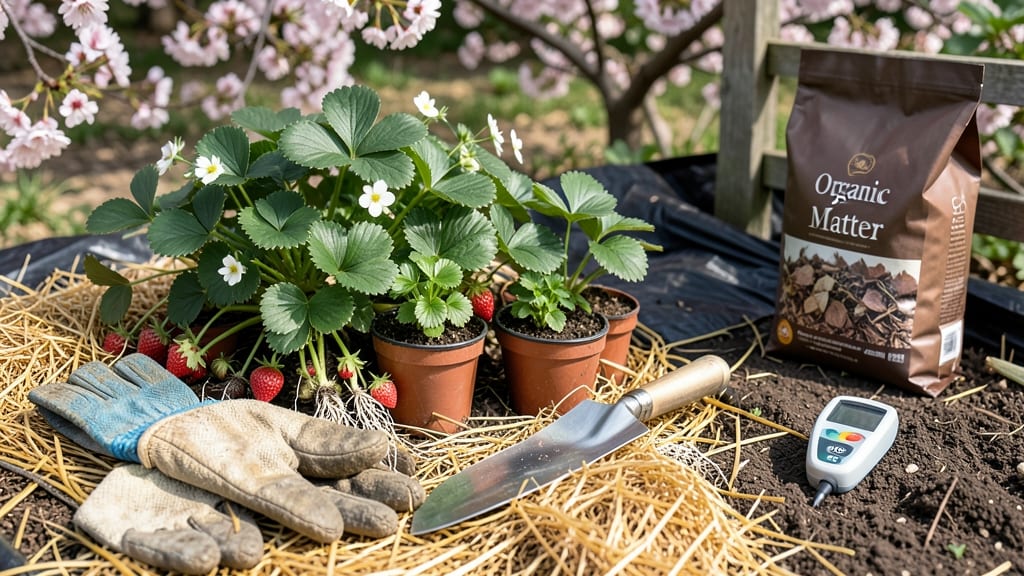
To plant strawberries in Virginia, aim for early spring—February through March—or early fall in September and October, aligning with the 7a/7b frost-free window.
Timing matters more than you think: Plant too early, and a late frost will kill tender crowns; too late, and your berries won’t ripen before winter sets in. I’ve seen June-bearing varieties fail when planted just two weeks past the ideal window—so let’s get this right.
Virginia’s climate means you’ve got two solid chances: spring for June-bearing types or fall for everbearing/day-neutral varieties that stretch harvests into October. Below, I’ll walk you through the exact frost dates, soil prep, and spacing tricks that make the difference between a bountiful harvest and a sad patch of leaves.
You’ll leave here knowing not just when to plant, but how to set up your beds for maximum yield—whether you’re tucking them into containers or digging in-ground rows. Let’s get those 🍓 crowns in the ground the right way.
Virginia strawberry planting timeline by month: best time in USDA Zones 7a/7b
Timing is everything when planting strawberries in Virginia, where USDA Zones 7a/7b experience unpredictable frost patterns that can ruin early plantings. The last average frost date in most Virginia regions falls around March 15, while the first frost typically hits November 15.
This creates a narrow window for success—either in early spring or early fall—that we’ll break down month by month.
For June-bearing varieties, which produce one large harvest, timing is critical to avoid frost damage. Everbearing and day-neutral varieties, however, offer more flexibility with multiple harvests throughout the season. Let’s explore the best months to plant based on your goals and Virginia’s climate quirks.
| Month | Planting Window | Frost Risk | Best Varieties | Notes |
|---|---|---|---|---|
| January | ❌ Avoid | High (❄️) | None | Frost risk too high; wait for warmer soil. |
| February | ✅ Early Spring | Moderate (⚠️) | Chandler, Allstar | Plant in late February if soil is workable. |
| March | ✅ Best Spring | Low (☀️) | Seascape, Jewel | Ideal for June-bearing varieties. |
| April | ❌ Too Late | None | None | Plants won’t establish before summer heat. |
| September | ✅ Best Fall | Low (🍂) | Albion, Tristar | Plant 4-6 weeks before first frost. |
| October | ✅ Late Fall | Moderate (⚠️) | Everbearing | Use mulch to protect roots. |
| November | ❌ Avoid | High (❄️) | None | Frost will kill new plants before establishment. |
In February, I recommend planting bare-root strawberries only if your soil temperature stays above 40°F. Use row covers to protect young plants from late frosts, which can still occur in Virginia’s Zone 7a.
For March plantings, the risk drops significantly, making it the optimal window for June-bearing varieties like Chandler or Allstar.
If you prefer everbearing or day-neutral varieties, September and October are your best bets. These plants establish roots before winter and produce fruit the following spring and summer. Albion and Tristar thrive in Virginia’s fall conditions, provided you plant them 4-6 weeks before the first frost.
One common mistake I see in Virginia gardens is planting too late in spring (April or later). By
How to prepare strawberry beds in Virginia for optimal growth
Virginia’s USDA Zones 7a/7b offer perfect conditions for growing strawberries, but proper soil preparation is key to maximizing your harvest. The right bed setup ensures strong root development, disease resistance, and high-yielding plants.
Whether you're planting June-bearing, everbearing, or day-neutral varieties, these steps will set your strawberries up for success.
Start by choosing a location with at least 6-8 hours of sunlight daily, as strawberries thrive in full sun. Avoid low-lying areas where cold air collects, as late spring frosts can damage young plants.
If your soil is heavy clay or sandy, consider raised beds for better drainage and warmth, which Virginia’s humid summers demand.
- 1. Test & Amend Soil: Use a soil test kit to check pH (ideal: 5.5-6.5). Virginia’s native soil often needs compost (2-3 inches) and aged manure mixed in 6-8 inches deep. Add peat moss or sand if drainage is poor.
- 2. Clear & Loosen Soil: Remove weeds, rocks, and debris. Loosen soil to 12 inches deep with a garden fork or tiller. Break up clay compaction for better root penetration.
- 3. Build Raised Beds (Optional): Construct 4-6 inch tall beds with untreated wood or cinder blocks. Fill with a mix of topsoil, compost, and perlite (60:30:10 ratio) for optimal drainage.
- 4. Space Plants Correctly: Plant 12-18 inches apart in rows 24-36 inches apart. For container growing, use 5-gallon pots with drainage holes and plant 1-2 per container.
- 5. Mulch Heavily: Apply 4-6 inches of straw or pine needles after planting. Mulch retains moisture, suppresses weeds, and protects crowns from winter freeze in Virginia’s Zone 7a.
- 6. Install Drip Irrigation: Set up soaker hoses or drip lines to deliver 1 inch of water weekly. Avoid overhead watering to prevent fungal diseases like gray mold.
One of the most critical steps is mulching. Virginia’s summers bring intense heat and humidity, which can stress strawberry plants. A thick layer of straw mulch keeps roots cool, reduces evaporation, and prevents soil-borne diseases. Replenish mulch every 3-4 weeks during peak growing months (May-August) to maintain protection.
For container gardening, use lightweight potting mix blended with perlite or vermiculite to improve aeration. Containers warm up faster in spring, so start them 2-3 weeks earlier than in-ground beds. Place pots in a south-facing location to maximize sunlight exposure, which is crucial for fruiting.
After planting, monitor your strawberries for weed competition, especially in Virginia’s fast-growing spring. Hand-pull weeds weekly, as they can steal nutrients and moisture from your plants. If birds become a problem (common in Virginia’s strawberry-growing regions), cover new plants with floating row covers until they establish roots.
With these preparation steps, your Virginia strawberry beds will be primed for high yields and healthy plants all season long. Remember, the key to success lies in well-draining soil, proper spacing, and consistent mulching—three pillars of strawberry cultivation in our climate. 🍓