
Plants
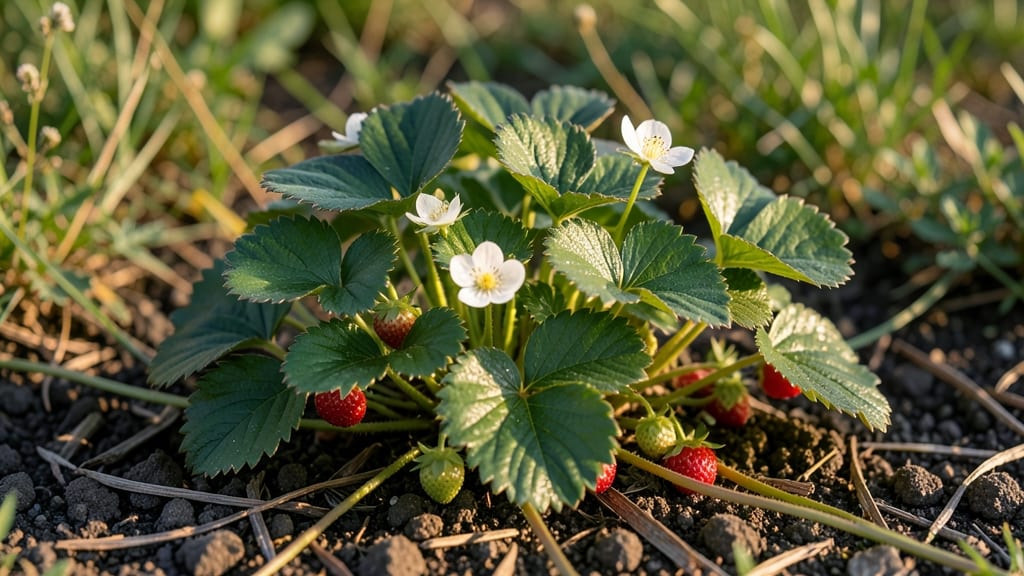
Strawberry plants flower when daylight length and temperature align—typically in late winter to early spring, but the exact timing depends on your climate zone and variety.
If your 🍓 plants are sitting there looking healthy but not producing blooms, you might be missing the critical window when they switch from leaf growth to flowering.
In Zone 6a, that’s usually March to April, but warmer regions can see blooms as early as February, while colder areas wait until May.
Day-neutral varieties (like 'Albion') flower all season, while June-bearing types (like 'Chandler') have a single burst of blooms in spring. Everbearing varieties fall somewhere in between. The key? Understanding your strawberry’s type and adjusting care—like pruning old leaves or fertilizing at the right time—to encourage those first delicate white flowers.
Below, I’ll break down the exact months for your zone, how to spot flowering readiness, and the 3 biggest mistakes that delay blooms. No more guessing—just a plan to turn those green leaves into sweet, ripe berries.
Strawberry flowering timeline by USDA climate zones: month-by-month guide
Strawberries are one of the most rewarding plants to grow, but their flowering timeline depends heavily on your USDA climate zone and variety. June-bearing types produce a single spring bloom, while everbearing and day-neutral varieties offer multiple harvests.
Knowing when to expect strawberry flowers helps you plan for peak production and avoid common mistakes like pruning too late or fertilizing at the wrong time.
In colder zones (3-5), strawberries often wait until late April or May to flower, while warmer zones (8-10) may see blooms as early as February or March. Regional microclimates—like coastal areas or mountain valleys—can shift these timelines by weeks.
Let’s break down what to expect in your zone, plus how to encourage healthy blooms for a bountiful harvest.
🌱
If you’re in Zone 5 or 6, like much of the Midwest or Northeast, your June-bearing strawberries will likely flower in late April to early May, with fruit ripening by June or July.
Everbearing varieties in these zones may produce a second flush in late summer, while day-neutral types like 'Tristar' can keep blooming until fall frost. In Zone 7, you might catch early blooms as soon as March, especially in protected microclimates.
Southern gardeners in Zones 8-10 have the advantage of year-round growing potential, but heat can stress plants. Day-neutral varieties like 'Fort Laramie' thrive here, offering blooms from winter through fall.
However, high summer temperatures (above 90°F) can cause flower drop, so provide drip irrigation and shade cloth during peak heat.
Northern gardeners in Zones 3-4 should focus on cold-hardy varieties like 'Honeoye' or 'Jewel'. These plants often need chilling hours (below 45°F) to trigger flowering, so avoid forcing early blooms with heat lamps. Instead, use row covers to extend the season and protect delicate flowers from late frosts.
🌡️
To encourage healthy strawberry flowering, start with well-draining soil (pH 5.5-6.8) and full sun exposure. Avoid over-fertilizing with nitrogen, which promotes leafy growth at the expense of blooms.
Instead, use a balanced 10-10-10 fertilizer in early spring and switch to a phosphorus-heavy formula (like 5-10-10) when flowers appear to support fruit development.
Pruning also plays a key role. For June-bearing types, remove old leaves after harvest to redirect energy to next year’s crown growth. Everbearing and day-neutral varieties benefit from light pruning to improve air circulation, reducing fungal risks like gray mold.
Always use sterilized pruners to prevent disease spread.
🪴
Regional variations can shift these timelines significantly. For example, Pacific Northwest gardeners in Zone 8 might see blooms as early as January, while Florida growers in Zone 10 could have year-round production with proper care.
Pay attention to local frost dates and adjust planting times accordingly—June-bearing varieties need 6-8 weeks of chilling before flowering, so avoid planting them in warm climates.
If your strawberries aren’t flowering on schedule, check for stress signs like yellowing leaves (nutrient deficiency), wilting (underwatering), or pests like slugs or spider mites. Addressing these issues promptly can reset your plant’s growth cycle
How to tell if your strawberry plant is ready to flower (and what to do next)
Your strawberry plants are sending signals long before those iconic white flowers appear. Understanding these visual and growth cues can help you predict flowering time and take action to maximize your harvest. The key is watching for leaf development, crown size, and temperature triggers that kickstart blooms.
Once you spot these signs, you’ll know exactly when to adjust care for the best fruiting results.
Most strawberry varieties need 4-6 healthy leaves before flowering, but some day-neutral types may bloom earlier with just 3 leaves. The crown size (the base where leaves and roots meet) also matters—it should be about 1-2 inches wide for optimal flowering.
If your plants are smaller or leggy, they may need more time or better growing conditions to trigger blooms.
5 Key Signs Your Strawberry Plant Is Ready to Flower
- Leaf Count: 4-6 mature leaves (June-bearing) or 3-4 leaves (everbearing/day-neutral).
- Crown Size: Base is 1-2 inches wide with visible root growth.
- Temperature Trigger: Nighttime temps consistently above 50°F (10°C) for 2+ weeks.
- Light Exposure: Receiving 6+ hours of direct sunlight daily for 3+ weeks.
- New Growth: Fresh, dark green leaves emerging from the crown center.
Once your plants meet these criteria, they’ll start producing flower buds within 2-4 weeks. In cooler climates (USDA Zones 3-5), this typically happens in late April to early May, while warmer zones (6-10) see blooms as early as March.
The transition from vegetative growth to flowering is also marked by a shift in energy—your plants will look fuller at the base and may develop a slightly woody stem.
To encourage flowering, focus on three critical steps: pruning, fertilization, and light optimization. Remove any old or yellow leaves to redirect energy to new growth, and switch to a low-nitrogen fertilizer (like 10-10-10) to promote fruiting over leafy growth.
If your plants are in containers, ensure they’re in the sunniest spot possible—strawberries need full sun to trigger blooms.
After flowers appear, protect them from late frosts (below 28°F/-2°C) by covering plants with row fabric or cloches. Once blooms open, hand-pollinate if needed by gently shaking plants or using a small brush to transfer pollen. This is especially helpful in greenhouse or container gardens where natural pollinators are limited.
Remember, everbearing and day-neutral varieties may produce multiple harvests per season, so don’t prune off all flowers at once. Instead, remove the first flush of blooms on June-bearing types to encourage larger fruit later.
With the right care, your strawberries will go from flower to harvest in just 4-6 weeks!