
Flowers
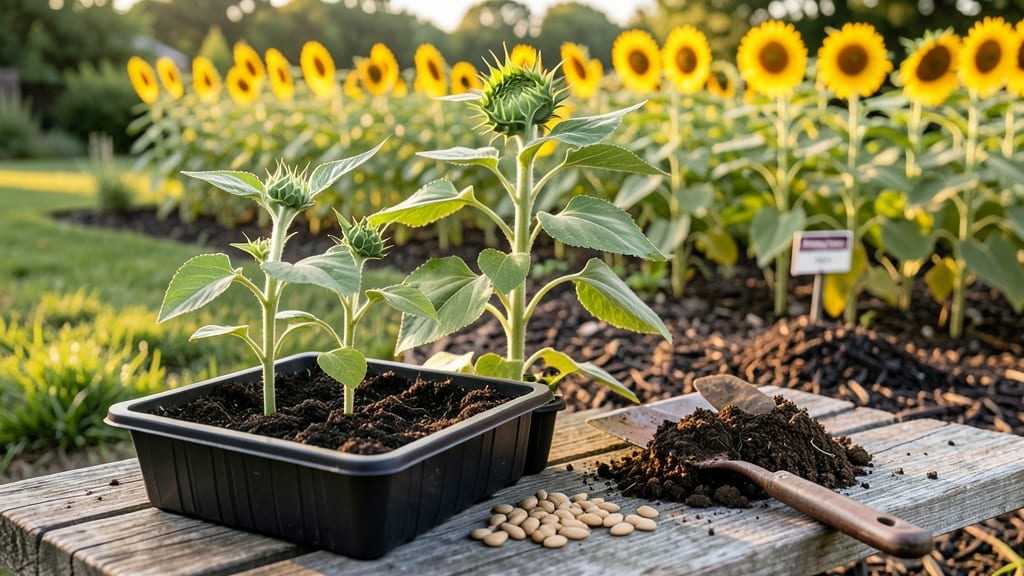
To plant sunflowers in Alabama, aim for mid-March to early July—when soil warms to at least 50°F and frost risk fades, ensuring strong germination and towering blooms.
Picture this: you’ve spent weeks nurturing your 🌻 sunflower seedlings, only to watch them wilt overnight because a late frost snuck in. That’s why Alabama’s USDA Zones 7b-8a demand precision—plant too early, and frost zaps your progress; too late, and summer’s heat stunts growth before blooms appear.
Most gardeners in Alabama focus on two key windows: spring (April-May) for classic summer blooms and late summer (July) for fall displays. But the real secret lies in soil temperature, sunlight, and variety choice—each factor fine-tuning your timing for zero frost-related setbacks.
In this guide, I’ll break down the exact months by zone, whether to start indoors or sow directly, and how to prep your soil for 3- to 15-foot giants that thrive in Alabama’s climate. No guesswork—just sunflower success.
Alabama sunflower planting calendar by USDA Zone (with frost risk dates)
Alabama’s USDA Zones 7b and 8a offer two distinct windows for planting sunflowers, but timing is everything to avoid frost damage or missed blooms.
The key is understanding your last frost dates—typically mid-March for Zone 7b and late February for Zone 8a—and aligning them with soil temperatures above 50°F. Whether you’re direct sowing or transplanting, these dates ensure your sunflowers get a strong start.
Sunflowers thrive in Alabama’s heat, but they’re sensitive to cold snaps. In Zone 7b (northern Alabama), the frost-free season lasts about 220 days, while Zone 8a (southern Alabama) enjoys an extra 2-3 weeks of warmth.
This means gardeners in Mobile or Huntsville can plant earlier than those in Birmingham or Decatur—but only if the soil is ready.
| USDA Zone | Last Frost Date | Best Planting Window | Soil Temp (°F) | Notes |
|---|---|---|---|---|
| 7b (North AL) | Mid-March | April 15–May 15 | 50°F+ | Direct sow after frost; transplant starts indoors in March. |
| 8a (South AL) | Late February | March 15–June 1 | 55°F+ | Longer growing season; can plant in late summer for fall blooms. |
| Both Zones | First Frost | Mid-November | N/A | Late summer plantings may bloom before frost in Zone 8a. |
For Zone 7b gardeners, the ideal window is mid-April to mid-May. This gives seedlings time to establish roots before Alabama’s summer heat peaks. If you’re transplanting, start seeds indoors in late March and harden them off before moving outdoors.
In Zone 8a, you can stretch planting from mid-March to early June, but aim for April-May for the best balance of warmth and moisture.
Direct sowing is the easiest method for sunflowers. Drop seeds 1 inch deep and 6 inches apart in rows spaced 2 feet apart. In Alabama’s clay-heavy soils, mix in compost to improve drainage and fertility.
Avoid planting too early—cold, wet soil can cause rot or poor germination. Use a soil thermometer to confirm temperatures are consistently above 50°F.
Did you know? Sunflowers planted in late July can still bloom before frost in Zone 8a. This is perfect for extending your garden’s color season. Just be prepared for shorter stems and smaller blooms compared to spring plantings.
For fall harvests, aim for early August sowings—they’ll mature just in time for seed collection.
If you’re growing tall varieties like ‘Russian Giant,’ stake them early to prevent toppling in Alabama’s summer storms. For dwarf varieties like ‘Teddy Bear,’ you can plant them later in the season—even as late as June—since they’re less prone to wind damage.
Always choose varieties suited to your zone; heat-tolerant types thrive better in Alabama’s 90°F+ summers.
Watering is critical in the first 2-3 weeks after planting. Keep soil consistently moist but not soggy—sunflowers hate waterlogged roots. Once established, they’re drought-tolerant, but mulch around the base to retain moisture and suppress weeds.
In Alabama’s humid climate, morning watering reduces fungal risks like powdery mildew, which can ruin blooms.
Pro tip: Mark your calendar for July 4th weekend—it’s a great time to plant sunflowers in Zone 8a for late-summer color. By then, the soil is warm, and the threat of frost has passed.
Pair them with marigolds or zinnias to attract pollinators and deter pests. With the right timing, your sunflowers will reward you with vibrant blooms from July through October.
Remember, Alabama’s weather is unpredictable. Always check your local Alabama Cooperative Extension Service for updates on frost dates and heat advisories. With this calendar, you’ll avoid the most common mistakes—planting too early, ignoring soil temps, or skipping mulch—and enjoy sunflowers that thrive in your Alabama garden. 🌻
5 Critical factors that determine your sunflower planting success in Alabama
Alabama’s unpredictable spring showers and shifting frost dates can turn sunflower planting into a guessing game. But success isn’t just about timing—it’s about preparing your garden for the five critical factors that make or break sunflower growth.
From soil prep to sunlight exposure, each element plays a role in transforming those tiny seeds into towering, vibrant blooms.
First, let’s tackle the soil temperature. Sunflower seeds need soil that’s at least 50°F to germinate. In Alabama’s USDA Zones 7b-8a, this typically means waiting until mid-April for most regions, but northern areas may need to wait until May.
Cold soil can leave seeds sitting dormant for weeks, wasting your planting window.
Next comes sunlight exposure. Sunflowers are sun worshippers, requiring 6-8 hours of direct sunlight daily. In Alabama, this means choosing a south-facing plot or the sunniest spot in your yard.
Partial shade can lead to leggy, weak stems and fewer blooms—something no gardener wants when aiming for those iconic 10-foot-tall giants.
Soil Temperature
Wait until soil reaches 50°F+ (usually mid-April in most of Alabama). Use a soil thermometer to check—cold soil delays germination by weeks.
Sunlight Needs
Plant in full sun (6+ hours/day). Alabama’s south-facing plots are ideal—partial shade reduces bloom size by 30-50%.
Drought Tolerance
Once established, sunflowers handle dry spells, but deep watering weekly during germination is critical. Alabama’s summer heat can dry soil quickly.
Spring Rain Adjustments
Alabama’s unpredictable spring rains can cause seed rot. Plant in raised beds or on mounds to improve drainage. Wait 24 hours after heavy rain to sow seeds.
Soil Preparation
Amend soil with compost before planting. Sunflowers thrive in loamy, well-draining soil with a pH of 6.0-7.0. Test your soil—Alabama’s clay-heavy areas may need sand or peat moss.
Alabama’s spring rains can also sabotage your sunflower dreams. Heavy downpours can lead to seed rot or washed-out seed beds. My trick? Plant on mounds or raised beds to improve drainage, and always wait 24 hours after rain to sow seeds.
This simple adjustment has saved my sunflower patches from mushy, failed sprouts more times than I can count.
Don’t overlook soil preparation, either. Sunflowers love well-draining, nutrient-rich soil, and Alabama’s native clay can be a challenge.
Before planting, mix in 2-3 inches of compost and test your soil’s pH. Aim for a 6.0-7.0 range—any lower, and your plants may struggle to absorb nutrients, leading to stunted growth or poor blooms.
Finally, remember that drought tolerance is a double-edged sword. While sunflowers can handle dry spells once established, they still need consistent moisture during germination. In Alabama’s summer heat, that means deep watering once a week unless you’ve had recent rain.
Mulching around the base of your plants helps retain moisture and keeps roots cool—both critical for Alabama’s 90°F+ days.
By mastering these five critical factors, you’ll turn Alabama’s climate challenges into sunflower success. Whether you’re growing tall giants for cut flowers or dwarf varieties for containers, the right prep makes all the difference. Happy planting—your sunflowers will thank you with bold blooms and towering height! 🌻