
Flowers
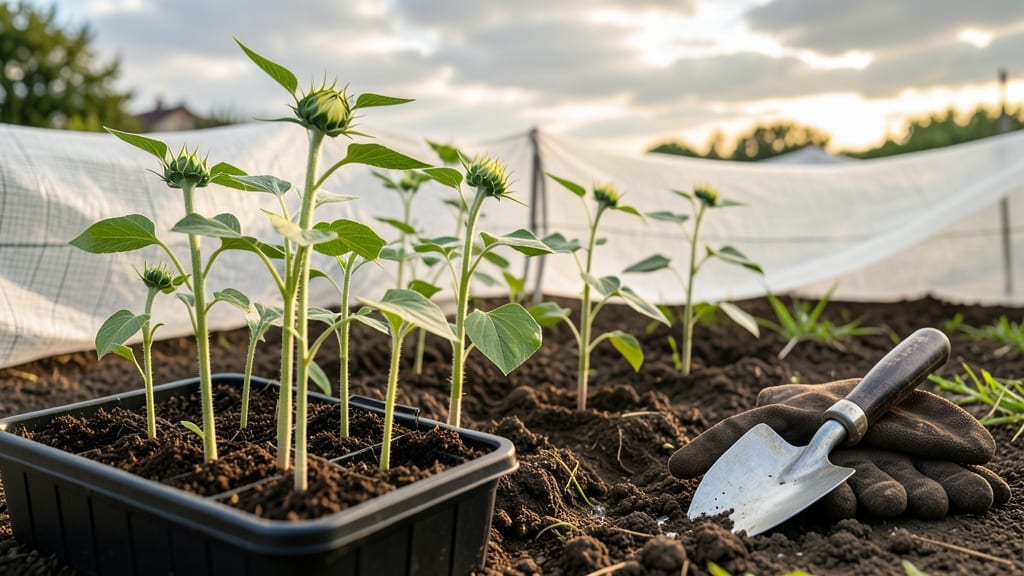
Planting sunflowers in Michigan at the right time ensures those towering 🌻 blooms thrive from spring to fall, no matter which hardiness zone you’re in.
Michigan’s unpredictable climate can make timing sunflower planting tricky—but getting it right means towering blooms and bountiful seeds all summer long. Whether you’re growing dwarf varieties for cut flowers or giant sunflowers for bird feeders, knowing the exact frost-free window for your zone is key.
Most Michigan gardeners wait until after the last frost, typically between mid-April and early May in USDA Zones 4-6, but soil temperature matters just as much. If the ground stays below 50°F, seeds won’t sprout, and late frosts can still nip young plants.
Below, I break down the best planting windows by zone, soil prep tips, and how to choose varieties that fit Michigan’s short season—so you can enjoy sunflowers from 60 to 90 days after planting.
Michigan sunflower planting timeline by hardiness Zone (USDA 4-6)
Michigan’s sunflower growing season is short but sweet—if you plant at the right time. The key is understanding your USDA zone, since last frost dates vary dramatically from northern Zone 4a to southern Zone 6a.
In my experience, planting too early risks frost damage, while waiting too long cuts back on bloom time. Let’s break down the perfect planting windows for each zone, including soil temperature thresholds and transplanting tips.
Sunflowers thrive when soil temperatures reach at least 50°F, which typically aligns with Michigan’s frost-free dates. For direct sowing, aim for 2-4 weeks after your last expected frost. If you’re using starter plants, transplant them when soil is warm and nighttime temps stay above 55°F.
Northern Michigan gardeners face the biggest challenge with late frosts, while southern zones can push sunflowers into early fall harvests.
| Zone | Avg Last Frost | Soil Temp Threshold | Direct Sow Window | Transplant Window |
|---|---|---|---|---|
| 4a (Northern MI) | May 15-20 | 50°F+ (late May) | May 25 - June 5 | June 10-15 (soil 55°F+) |
| 4b (Upper Peninsula) | May 10-15 | 50°F+ (late May) | May 20 - June 1 | June 5-10 (soil 55°F+) |
| 5a (Central MI) | May 5-10 | 50°F+ (early May) | May 15 - May 30 | May 25 - June 5 |
| 5b (Southern MI) | April 25 - May 5 | 50°F+ (early April) | April 30 - May 15 | May 10 - May 25 |
| 6a (Southeast MI) | April 15-20 | 50°F+ (late March) | April 20 - April 30 | April 25 - May 10 |
For Zone 4a and 4b gardeners, I recommend starting sunflower seeds indoors under grow lights 4-6 weeks before your target transplant date. Use biodegradable pots to avoid root disturbance.
In Zone 5a and 5b, you can direct sow as early as mid-April in protected microclimates, but watch for late frosts—they’re common even in May.
Southern Michigan (Zone 6a) offers the longest growing season, allowing for two plantings: one in early spring and another in late June for fall blooms. Just remember, sunflowers need full sun (6+ hours daily), so avoid shady spots.
In my garden, I’ve seen Mammoth varieties grow 12 feet tall when planted in Zone 6a—but only if started early enough!
Pro tip: Use row covers for early starts in colder zones. They protect seedlings from late frosts while letting sunlight through. Remove covers when plants are 3-4 inches tall to prevent overheating. Also, black plastic mulch warms soil faster—ideal for Zone 4 gardeners who need to jumpstart their season.
Heat tolerance is another critical factor. Sunflowers can handle Michigan’s summer heat, but drought stress weakens plants. In Zone 6a, where summers are hotter, mulch heavily to retain moisture.
I’ve seen sunflowers wilt dramatically in 90°F+ temps without proper hydration—so deep watering 2-3 times per week is a must during peak summer.
If you’re growing sunflowers for seed production, plant late varieties in Zone 4 to ensure full maturity before frost. In Zone 6a, you can even try succession planting every 2 weeks for continuous blooms.
Just remember: sunflowers need space—dwarf varieties need 12 inches apart, while giants require 2-3 feet of clearance.
For real-time updates, check the Michigan State University Extension frost maps or local weather stations. They track last frost dates annually, which can shift by 1-2 weeks due to climate changes. In 2023, my Zone 5b garden saw a May 1 frost—something I hadn’t planned for!
Always have a backup plan, like row covers or a greenhouse, for unexpected cold snaps.
Finally, don
Best sunflower varieties for Michigan’s short vs. long seasons
Michigan’s short growing season demands sunflower varieties that thrive quickly or tolerate cool nights. Early-maturing types like 'Autumn Beauty' (55-60 days) are perfect for USDA Zone 4, while heat-tolerant hybrids like 'Moulin Rouge' handle Michigan’s humid summers with ease.
Dwarf varieties (3-4 feet) excel in containers, while mammoth types need longer seasons for seed production.
For northern Michigan (Zones 4a-4b), prioritize disease-resistant varieties like 'Teddy Bear', which matures in 60-70 days and resists powdery mildew. In southern Michigan (Zones 5b-6a), you can grow taller varieties like 'Russian Giant' (100+ days) for seed harvests, but start them indoors in March to beat late frosts.
🌻 Comparison Table: Sunflower Varieties for Michigan’s Climate
| Variety | Days to Mature | Height | Best For | Disease Resistance |
|---|---|---|---|---|
| Autumn Beauty | 55-60 | 3-5 ft | Cut flowers, containers | Powdery mildew |
| Teddy Bear | 60-70 | 3-4 ft | Short seasons, kids' gardens | Rust, mildew |
| Moulin Rouge | 65-70 | 5-6 ft | Heat tolerance, cut flowers | Blight |
| Russian Giant | 100-120 | 10-14 ft | Seed production, long seasons | Moderate |
| ProCut Lemon Queen | 60-65 | 4-5 ft | Floral arrangements, bouquets | High |
For container gardening, choose dwarf varieties like 'ProCut Lemon Queen', which matures in 60-65 days and thrives in 5-gallon pots. Its bright yellow blooms add color to patios and balconies, even in urban Michigan spaces.
Always use well-draining soil and place containers in full sun for best results.
If you’re growing sunflowers for seed production, 'Russian Giant' is ideal for southern Michigan but requires early starts indoors. For northern gardens, opt for shorter varieties like 'Autumn Beauty', which produces edible seeds even in shorter seasons.
Remember to harvest seeds before first frost to avoid bird damage.
Michigan’s humid summers can stress sunflowers, so prioritize disease-resistant hybrids. Varieties like 'Teddy Bear' and 'Moulin Rouge' have built-in resistance to common issues like powdery mildew. Always space plants 12-18 inches apart for air circulation and mulch heavily to retain moisture.
For extended blooms, try succession planting with early and mid-season varieties. Plant 'Autumn Beauty' in late May and 'Teddy Bear' in early June to enjoy continuous color through September. This strategy works especially well in