
Flowers
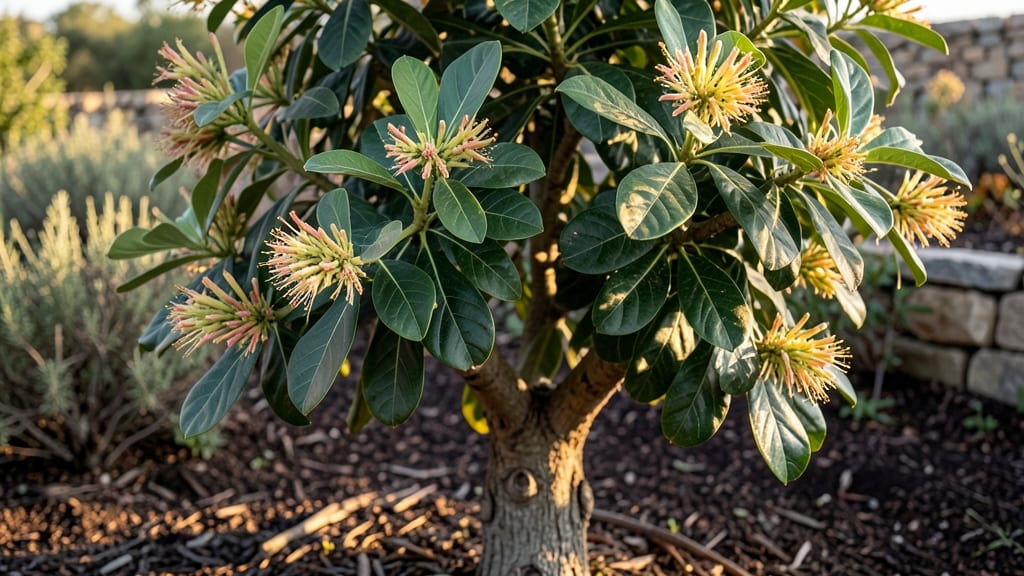
Avocado trees flower when the days grow warm and long in spring, a delicate balance of sunlight and temperature that sets the stage for fruit.
If you’ve ever wondered why your 🥑 blooms in spring but never produces fruit—or why some trees flower twice a year—you’re not alone. Understanding the when and why behind avocado flowering is the key to unlocking a bountiful harvest.
Most avocado varieties bloom in late winter or early spring, with some subtropical types flowering again in fall. But timing isn’t just about the calendar—temperature swings, daylight hours, and even rainfall play a role in triggering those iconic yellow-green blossoms.
In this guide, I’ll break down the seasonal patterns, share tips to encourage flowering, and explain why some trees bloom but never bear fruit. Ready to turn those flowers into avocados?
Avocado flowering seasons: what months to expect blooms
Avocado trees are fascinating because their flowering patterns depend heavily on your local climate and the specific avocado variety you're growing. In tropical climates, like Hawaii or Florida, blooms can appear year-round, though they peak during warmer months with consistent daylight.
Meanwhile, in subtropical zones, such as California or Australia, flowering typically aligns with spring and fall when temperatures are mild and days are longer.
Understanding these patterns is crucial because Type A and Type B avocado varieties have distinct flowering cycles. Type A trees bloom in late spring to early summer, while Type B trees flower in fall to early winter.
This difference is why planting both types nearby can improve pollination and fruit production.
Now, let’s break down the flowering windows by climate zone and variety type to help you predict when your avocado tree will burst into bloom.
| Climate Zone | Variety Type | Primary Flowering Window | Secondary Window (if applicable) | Key Triggers |
|---|---|---|---|---|
| Tropical (e.g., Hawaii, Florida) | Type A & Type B | Year-round, peaks in spring/fall | None (continuous) | Warm temps, consistent rainfall |
| Subtropical (e.g., California, Australia) | Type A (e.g., Hass, Fuerte) | May–June | None | 60–70°F days, long daylight |
| Subtropical (e.g., California, Australia) | Type B (e.g., Reed, Choquette) | September–October | None | 55–65°F nights, shorter days |
| Temperate (e.g., Southern Spain, South Africa) | Type A & Type B | Spring (March–April) | Fall (September–October) | Temperature swings, rainfall |
In tropical climates, avocado trees often flower continuously, though blooms may intensify during warmer, wetter months. This is why trees in Hawaii or Puerto Rico can produce fruit multiple times a year. However, temperature consistency is key—extreme heat or cold can disrupt flowering entirely.
The subtropical zones, like California’s Central Valley or Australia’s Queensland, see more defined flowering seasons. Type A varieties, such as the popular Hass avocado, bloom in late spring when days are long and temperatures hover around 60–70°F.
Type B varieties, like Reed avocados, prefer fall blooming when nights cool to 55–65°F.
Daylight hours play a surprising role in triggering blooms. Avocado trees are sensitive to photoperiodism, meaning they respond to changes in daylight length. In subtropical regions, shorter days in fall signal Type B trees to flower, while longer days in spring cue Type A varieties.
This is why gardeners in these zones often see two distinct flowering periods each year.
Rainfall also influences flowering, but too much or too little can cause problems. Moderate rainfall (about 1–2 inches per week) supports healthy blooms, while drought stress or waterlogging can lead to dropped flowers or poor fruit set.
In drier climates, like parts of California, supplemental irrigation during flowering can make a big difference.
If you’re growing avocados in a temperate climate, such as Southern Spain or South Africa, expect blooms in both spring and fall. These regions experience more pronounced seasonal changes, which can trigger two flowering cycles.
However, temperature swings are critical—too much heat or cold can prevent flowers from developing properly.
One common misconception is that avocado trees flower only once a year. In reality, many trees—especially in subtropical zones—can produce two distinct flowering periods. For example, a Type A tree might bloom in May, while a nearby Type B tree flowers in September.
Planting both types ensures cross-pollination and a more reliable fruit harvest.
To maximize your chances of success, observe your tree’s flowering patterns over 2–3 years. Note the month, temperature, and daylight conditions during each bloom cycle.
This will help you anticipate future flowering windows and adjust your care routine accordingly—whether that means reducing water to stress the tree slightly or providing extra nutrients to support
How to trigger avocado flowering: proven methods for gardeners
Avocado trees are finicky about flowering, but with the right techniques, you can encourage blooms even in less-than-ideal conditions. The key lies in understanding their natural triggers—temperature swings, pruning strategies, and water management—which mimic their native tropical environments.
By applying these methods, you can coax your tree into producing those critical flowering cues that lead to fruit.
Many gardeners struggle because they focus only on fertilizer and sunlight, but avocados respond far more to environmental stress and hormonal signals. For instance, a brief period of water restriction followed by deep hydration can trick your tree into thinking it’s time to flower.
This mimics the dry-wet cycles of their natural habitat, where Type A and Type B varieties rely on these patterns to sync their blooming cycles.
Avocados typically flower in spring (Type A) or fall (Type B), but timing varies by climate. In subtropical zones (USDA 9-11), expect blooms from March-May or September-November. To trigger early flowering, expose your tree to 10-15°F nighttime drops for 2-3 weeks—this mimics winter chill without frost damage.
Pruning plays a surprising role in flowering. By lightly thinning dense branches in late winter, you improve air circulation and expose more flowering nodes to sunlight. Avoid heavy pruning, as this can stress the tree and delay blooms.
Instead, focus on selective cuts to open the canopy—this encourages the tree to redirect energy toward reproductive growth rather than leaf production.
Water management is another critical factor. Avocados need consistent moisture but respond well to short-term drought stress. Try this technique: reduce watering by 30-50% for 4-6 weeks before the expected flowering season, then resume normal watering.
This stress signal often triggers the release of floral hormones, prompting blooms. Monitor soil moisture with your finger—it should be dry but not bone-dry at 2-3 inches deep.
For gardeners in cooler climates (USDA 8 or below), consider using a greenhouse or row cover to create microclimates with warmer nights. Avocados need 50-60°F nighttime temps to initiate flowering, so even a 10°F increase can make a difference.
Place your tree near a south-facing wall or use a low-wattage heat lamp at night during critical periods.
Finally, don’t overlook the role of pollinators and wind. While avocados are self-pollinating, cross-pollination increases fruit set. If you have multiple trees, plant Type A and Type B varieties nearby to ensure better pollination.
For container-grown trees, gently shake branches during morning hours to mimic wind pollination—this can boost fruit production by up to 40%.