
Blooming
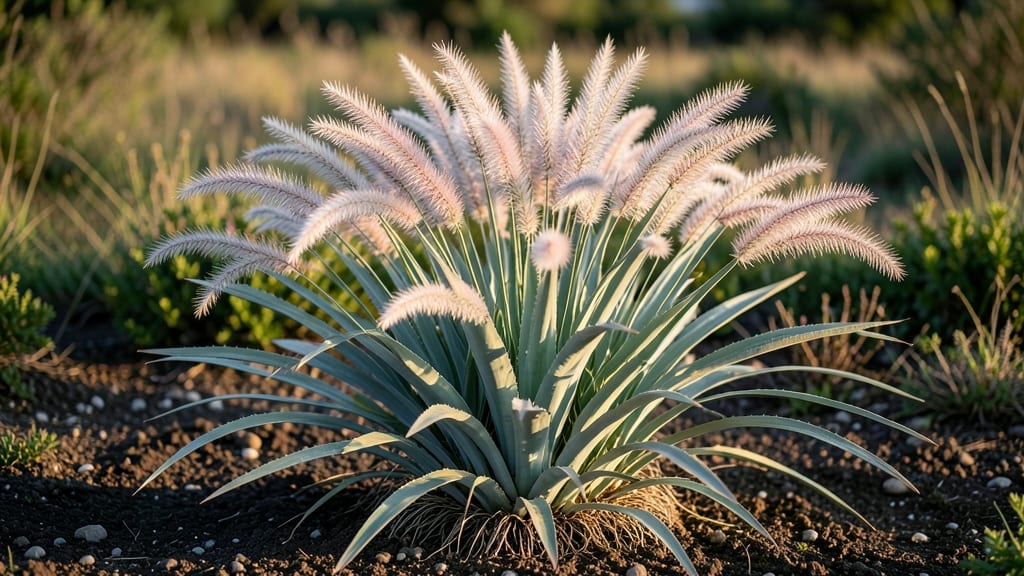
Pampas grass flowers in late summer to fall 🌿, with timing that shifts dramatically depending on your USDA zone and local climate.
If you’ve ever waited patiently for those signature cloud-like plumes to appear—only to be met with silence from your 6-foot-tall stalks—you’re not alone.
The truth is, this ornamental grass doesn’t bloom on a strict calendar; it responds to sunlight, temperature, and even soil nutrients in ways that can throw off even the most seasoned gardeners.
In warmer zones like Zone 9 or 10, blooms may start as early as August, while gardeners in Zone 6a might not see them until October or November.
Sunlight exposure plays a surprisingly big role too—plants in full sun often flower 4-6 weeks earlier than those tucked into partial shade.
Below, I’ll break down the exact months to expect blooms in your area, plus 3 simple tricks to encourage earlier (or later) flowering—because once you understand the triggers, you can finally coax your pampas grass into putting on its best show.
Pampas grass flowering timeline by USDA Zone: month-by-month breakdown
Pampas grass (Cortaderia selloana) is famous for its feathery, cloud-like plumes that transform gardens into dramatic landscapes—but timing is everything. In USDA Zones 7–11, flowering windows shift dramatically due to temperature gradients, sunlight exposure, and regional climate patterns.
Understanding these variations helps you anticipate when to expect those signature blooms or troubleshoot delays in your own garden.
Most gardeners in cooler zones (7–8) see blooms arrive later in the season, while those in warmer zones (9–11) often enjoy earlier, longer-lasting displays. Even within a single zone, coastal areas may bloom weeks ahead of inland regions due to milder winters.
Let’s break down the exact month-by-month flowering windows so you can plan your garden around pampas grass’s natural rhythm.
| USDA Zone | Early Blooms | Peak Blooms | Late Blooms | Notes |
|---|---|---|---|---|
| 7 | Late August | September–October | Early November | Cooler nights delay blooms; frost risk increases in late fall. |
| 8 | Mid-August | September–October | Mid-November | Humidity can prolong bloom duration in coastal areas. |
| 9 | Early July | August–September | Late October | Heatwaves may cause early senescence; water consistently. |
| 10 | Late June | July–August | Early October | Extended blooms possible with afternoon shade in desert climates. |
| 11 | May–June | June–July | September | Tropical climates may see year-round blooming with ideal conditions. |
In USDA Zone 7, pampas grass typically kicks off blooming in late August, with peak displays stretching from September to October. This delay occurs because cooler temperatures slow the plant’s metabolic processes, requiring more time to reach its 60°F temperature threshold for consistent blooming.
If you’re in a Zone 7 microclimate—like a sheltered valley or urban heat island—you might see blooms arrive as early as mid-August.
Gardeners in Zone 8 enjoy a slightly earlier show, with mid-August marking the start of flowering. The peak period remains September–October, but the extended warmth often pushes late blooms into mid-November.
Coastal areas in Zone 8, such as North Carolina’s Outer Banks or Georgia’s Savannah, may experience blooms lasting 2–3 weeks longer due to milder nights and higher humidity.
For those in Zones 9–11, the flowering window shifts dramatically earlier. In Zone 9, blooms begin as early as late June, with peak displays in August–September. The shift to earlier blooming is driven by longer daylight hours and consistent temperatures above 70°F.
In Zone 10, the cycle starts in late June and peaks in July–August, while Zone 11 gardeners may see blooms as early as May, especially in tropical climates like Hawaii or Southern Florida.
If your pampas grass isn’t blooming on schedule, check these three critical factors: sunlight exposure, soil drainage, and temperature consistency. Pampas grass requires full sun (6+ hours daily) and well-draining soil to thrive.
In hotter zones (10–11), afternoon shade can prevent heat stress, while cooler zones (7–8) benefit from mulching to retain soil warmth. Even a 5°F temperature swing can delay blooms by 2–4 weeks.
Pro tip: Male pampas grass plants produce larger, more abundant plumes than females, which focus energy on seed production. If you’re after dramatic displays, prioritize male cultivars like ‘Pampa King’ or ‘Silver Frost’.
Females, like ‘Rosea’, may bloom later or produce smaller plumes. Knowing your plant’s sex can help you set realistic expectations for bloom timing.
To extend your pampas grass’s bloom season, consider strategic pruning. Cut back old flower stalks in late winter or early spring to encourage new growth and earlier blooming. Avoid pruning
Climate triggers that determine when pampas grass blooms (beyond zones)
Your pampas grass (Cortaderia selloana) might follow a general flowering schedule, but climate triggers—not just your USDA zone—dictate the exact timing. While most gardeners expect blooms in late summer or fall, sunlight hours, temperature thresholds, and rainfall patterns can shift this window dramatically.
For example, coastal gardens often see earlier blooms due to milder temperatures, while desert regions may delay flowering until monsoon rains arrive.
Pampas grass needs consistent warmth—specifically, 60°F+ temperatures for 6+ weeks—to trigger blooming. Below this threshold, growth stalls, and those iconic feathery plumes won’t appear. Even in the same zone, microclimates (like urban heat islands or shaded valleys) can push blooming dates by 2–4 weeks.
Understanding these triggers helps you predict—and even influence—when your pampas grass will flower.
- 🌡️ Temperature Threshold: 60°F+ for 6+ weeks—below this, blooms delay or cancel.
- ☀️ Sunlight Hours: 8+ hours daily accelerates flowering; 6 hours slows it.
- 🌧️ Rainfall Patterns: 1–2 inches/week in late summer boosts bloom production.
- 🌊 Coastal Effect: Earlier blooms (July–August) due to milder, humid air.
- 🏜️ Desert Delay: Late blooms (September–October) until monsoon rains trigger growth.
Let’s take coastal California (Zone 9) versus Arizona’s Sonoran Desert (Zone 10) as case studies. In coastal gardens, pampas grass often blooms in July–August thanks to consistent 70°F+ temps and high humidity.
Meanwhile, in Phoenix, blooms typically wait until September–October when summer rains break the heat. Even within the same zone, elevation changes matter—mountain gardens may bloom 2–3 weeks later than valley counterparts.
Another critical factor is soil moisture. Pampas grass is drought-tolerant once established, but dry spells during its growth phase (spring–early summer) can delay blooming. In arid climates, gardeners often rely on drip irrigation to mimic natural rainfall patterns.
Overwatering, however, is just as harmful—waterlogged soil can rot roots and prevent flowering entirely. Aim for deep, infrequent watering (every 7–10 days) once established.
If your pampas grass isn’t blooming on schedule, check these three red flags:
- Stunted growth (sign of nitrogen-heavy fertilizer—switch to low-N, high-P/K).
- Yellowing leaves (could mean overwatering or poor drainage).
- No new shoots (likely cold snaps or shade issues).
Adjusting these factors can shift blooming windows by weeks or even months. For example, adding compost in early spring (rich in phosphorus) often jumpstarts flowering in Zone 7 gardens by 3–4 weeks.
Remember, pampas grass is notoriously unpredictable—even healthy plants may skip a year if conditions aren’t ideal. But by tuning into these climate triggers, you’ll gain the upper hand.
Next time you spot those feathery plumes, you’ll know exactly why they arrived when they did—whether it’s the long summer days, a warm spell, or just the right amount of late-summer rain. 🌿