
Blooming
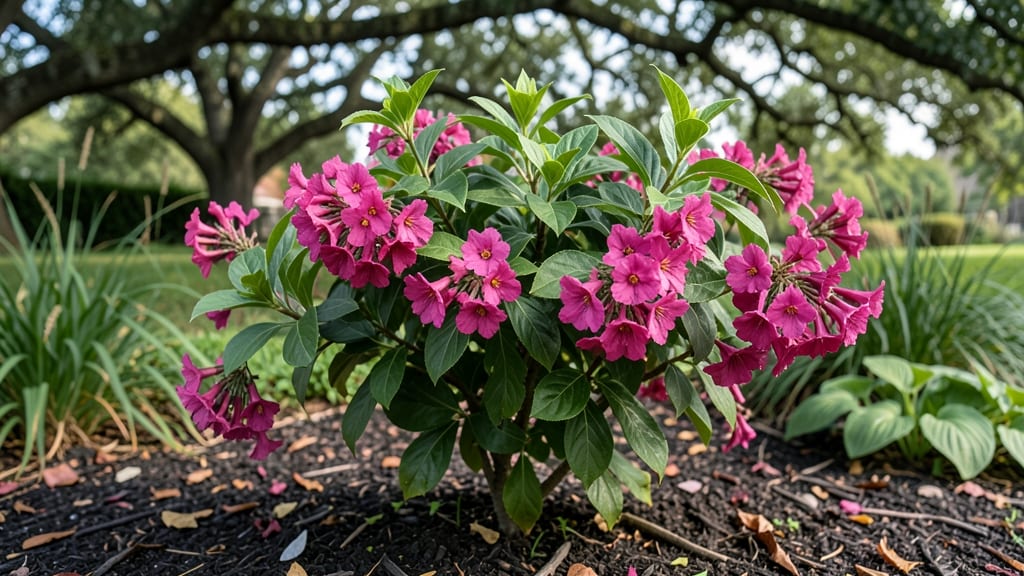
Weigela flowers in early to mid-spring, typically between March and May, when the buds burst into vibrant trumpet-shaped blooms 🌸 that can last for weeks.
If you’ve ever wondered why your Weigela shrub seems to bloom at different times each year—or why some years it barely flowers at all—you’re not alone.
The timing depends on your USDA zone, sunlight exposure, and even the specific variety you’ve planted. For instance, Weigela florida often blooms earlier than Weigela middendorffiana, and cooler climates can delay the show.
Below, I’ll break down the exact bloom windows by region, how to encourage a second wave of flowers in summer, and the pruning secrets that keep your Weigela blooming year after year.
Weigela flowering timeline: when to expect blooms in spring
If you're eagerly waiting for your Weigela shrub to burst into color, timing is everything. Most Weigela varieties bloom in late spring to early summer, but the exact timing depends on your climate zone and the specific type of Weigela you're growing.
Understanding these factors helps you set realistic expectations and plan your garden layout for maximum impact.
In USDA Zones 5-8, the primary flowering period typically falls between April and June. However, early bloomers like Weigela florida may start as early as March in warmer regions, while hardier varieties like Weigela middendorffiana might wait until May.
The key is recognizing that cooler climates often delay blooming until after the last frost.
Here’s a quick reference to help you visualize when your Weigela might bloom based on common varieties and your growing conditions:
| Variety | Primary Bloom Time | Climate Zone | Notes |
|---|---|---|---|
| Weigela florida | April - May | Zones 5-9 | Early bloomer; pink or red flowers. |
| Weigela middendorffiana | May - June | Zones 3-8 | Hardy; white or pale pink blooms. |
| Weigela 'Wine and Roses' | May - June | Zones 4-9 | Dark foliage; pink flowers. |
| Weigela 'Alexandra' | April - May | Zones 5-9 | Dwarf variety; bright pink blooms. |
The USDA hardiness zone where you live plays a massive role in determining when your Weigela will bloom. For example, in Zone 5, where winters are colder, Weigelas often wait until late May to flower, while in Zone 9, they may start as early as March.
This delay in cooler zones gives the plant time to recover from dormancy before putting energy into blooming.
Another critical factor is sunlight exposure. Weigelas thrive in full sun to partial shade, but those in partial shade may bloom later or produce fewer flowers.
If your Weigela is in a shadier spot, consider moving it to a sunnier location next year to encourage earlier and more abundant blooms.
Did you know that Weigela florida, one of the most popular varieties, often produces its first buds as early as February in mild climates? However, these buds are typically frost-sensitive, so they may not survive if temperatures drop below 20°F.
This is why many gardeners in colder regions see their Weigelas burst into full bloom only after the last frost date.
If your Weigela is 3-5 years old and still not flowering, it might be due to over-pruning or insufficient nutrients. Young Weigelas focus energy on root and stem growth, so blooms may take a few years to appear.
Patience is key—once established, these shrubs reward you with vibrant, trumpet-shaped flowers that attract hummingbirds.
For gardeners in Zone 7 or warmer, you might even catch a second wave of blooms in late summer or early fall. This happens when the plant produces new growth after the initial flush of flowers.
To encourage this, avoid heavy pruning in early spring and instead focus on light shaping cuts after blooming.
Pro tip: If you want to predict bloom times more accurately, keep an eye on the leaf buds that form in late winter. When these buds swell and turn green, it’s a sure sign that blooms are just weeks away.
This visual cue can help you plan garden maintenance, like deadheading spent flowers to prolong the display.
🌸
Second wave of Weigela flowers: how to trigger late-season blooms
Some Weigela shrubs surprise gardeners with a second flush of flowers in late summer or early fall, creating a stunning extended display. This isn't just luck—it's a response to proper care, especially pruning timing and nutrient management.
Unlike their spring blooms, these late-season flowers often appear on new wood, meaning they're influenced by current-year growth rather than last year's stems.
To encourage this phenomenon, focus on three key factors: when you prune, how you feed your plant, and consistent watering habits. Reblooming Weigela varieties like Weigela florida 'Wine & Roses' or Weigela 'Minuet' are more likely to produce this second wave when given the right conditions.
Let's break down the science—and practical steps—behind triggering these late blooms.
- 🌱 Prune after blooming: Cut back 1/3 of old wood in late spring to encourage new growth for fall flowers.
- 💧 Water deeply: 1 gallon weekly during dry spells to support new stem development.
- 🌿 Deadhead spent blooms: Remove faded flowers in early summer to redirect energy to new buds.
- 🌡️ Fertilize lightly: Use 10-10-10 balanced fertilizer in early fall to boost late-season growth.
- ☀️ Ensure full sun: 6+ hours daily maximizes photosynthesis for extended blooming.
Timing is everything when it comes to pruning for reblooming. If you prune too late in spring (after June), you risk removing next year's flower buds that form on new wood.
Instead, aim to finish pruning by early June—this gives your Weigela time to develop fresh stems that will bear those late-season blooms.
Fertilizer choice matters just as much as timing. A balanced 10-10-10 formula applied in early spring and again in early fall provides the right nutrients without promoting excessive leafy growth at the expense of flowers.
Avoid high-nitrogen fertilizers—they encourage lush foliage but can delay or reduce blooming. Think of it as giving your Weigela a light snack rather than a heavy meal.
Watering plays a subtle but crucial role. While Weigela is drought-tolerant once established, consistent moisture during bud formation (late summer) helps trigger those second flushes. Water deeply in the morning to reduce fungal risks, and always check soil moisture—stick your finger 2 inches down.
If it's dry, it's time to water.
Don't forget about deadheading! Removing spent blooms throughout the summer redirects the plant's energy toward producing new flower buds rather than seed development. Use clean, sharp pruners to snip just above a leaf node, and you'll encourage more vibrant late-season blooms.
This simple step can double your Weigela's flowering period with minimal effort.
With these strategies, you can transform your Weigela from a one-season wonder into a year-round beauty. The key is patience—late blooms develop gradually, but the payoff of seeing those pink, red, or white trumpet-shaped flowers in September is worth every extra care step. Happy gardening! 🌿