
Flowers
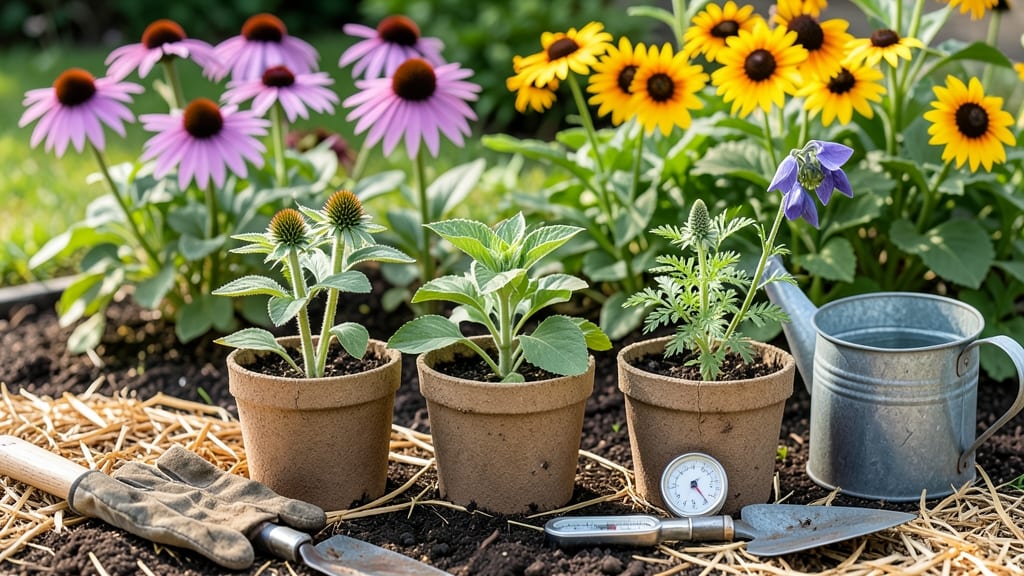
The best time to plant flowers in Michigan is after your last frost date—typically mid-April in most regions, but earlier in southern counties and later in the Upper Peninsula.
Michigan gardeners know timing is everything—plant too early and frost will ruin your blooms, too late and your flowers may struggle to establish before winter. But with the right frost-free window by county, you can transform your yard into a vibrant display of color year after year.
For annuals like marigolds and petunias, wait until soil temperatures hit 50°F—usually late April to early May—while perennials and bulbs can go in as early as March in warmer zones like Detroit. Even native wildflowers have their own sweet spot.
Below, I break down the exact frost-free dates by county, the best flowers for your microclimate, and pro tips to extend your planting season—so you can enjoy nonstop blooms from spring to fall.
Michigan’s frost-free dates by county: when to plant annuals and perennials
Michigan’s frost-free dates vary dramatically from the Upper Peninsula to southern counties, making timing critical for your annuals and perennials. In northern regions like Marquette, the last frost often hits May 15-30, while Detroit gardeners can plant as early as April 15.
These differences mean your petunias might thrive in one county but freeze in another!
Understanding your local frost window helps you avoid frost damage while maximizing bloom time. For example, tender annuals like geraniums need to wait until after the last frost, while cold-hardy perennials like coneflowers can handle earlier planting.
Let’s break down the average frost-free dates by county so you can plan your flower beds like a pro.
🌱 Pro Tip: Always check your local weather forecasts 1-2 weeks before planting—unpredictable late frosts can still sneak in, especially in Michigan’s variable climate. Use row covers or cold frames for extra protection if needed.
If you’re in the Upper Peninsula, your growing season is shorter, so focus on fast-growing annuals like marigolds or zinnias that bloom quickly. In southern Michigan, you’ve got more flexibility—ideal for longer-season perennials like black-eyed Susans or daylilies.
For fall planting, aim to get cool-season crops like pansies or snapdragons in the ground 6-8 weeks before your first frost. These cold-hardy annuals can handle light frosts and even add color to your garden in late autumn!
Don’t forget about perennial flowers, which often need 2-3 years to reach full bloom. Planting them in early spring gives them time to establish strong roots before winter. Peonies and iris, for example, thrive when planted in spring rather than fall.
In northern counties
Best flowers to plant in Michigan by season: matching blooms to your county’s climate
Michigan’s diverse microclimates mean your spring tulips in Detroit may bloom weeks earlier than those in Marquette’s Upper Peninsula. To thrive, your flowers need the right seasonal timing and climate-matched varieties.
Whether you’re in USDA Zone 5b (northern regions) or Zone 6b (southern areas), these recommendations align with Michigan’s frost patterns and heat tolerance.
Start with spring-blooming bulbs like daffodils and tulips, which can be planted as early as October for a May-June show. For summer color, annuals like petunias and marigolds love Michigan’s June-August warmth, while fall perennials such as mums and asters thrive when planted in early spring for September-October blooms.
| Season | Best Flowers | Planting Time | Climate Notes |
|---|---|---|---|
| Spring | Daffodils, Tulips, Hyacinths | Oct-Nov (bulbs) or Apr-May (seeds) | Cold-hardy; plant before ground freezes |
| Summer | Petunias, Marigolds, Zinnias | After last frost (May-June) | Heat-tolerant; mulch for moisture |
| Fall | Mums, Asters, Pansies | Early spring (Mar-Apr) for fall blooms | Cool-season lovers; avoid summer heat |
For southern Michigan (e.g., Wayne County), where frost typically arrives by October 15, focus on heat-loving annuals like geraniums and begonias. These thrive in full sun and can handle 80°F+ temperatures.
In contrast, northern regions like Houghton County should prioritize cold-tolerant perennials such as coneflowers and black-eyed Susans, which survive sub-zero winters.
Always check your local frost dates—tools like the National Weather Service or Michigan State University Extension provide county-specific forecasts. For example, Grand Rapids averages a May 10 last frost, while Traverse City may see frost until May 20.
Adjust planting dates accordingly to avoid frost damage or bolting.
Pro tip: Mulch heavily in late fall to protect tender perennials like daylilies from freeze-thaw cycles. In spring, remove mulch once soil warms to 50°F to encourage root growth.
Pair drought-tolerant flowers like lavender with moisture-loving varieties such as impatiens to create a balanced garden that thrives across Michigan’s variable rainfall.
With these seasonal guidelines, your Michigan garden can burst with color from spring bulbs to fall mums, regardless of your county’s climate quirks. Start small—try one new variety per season—and watch your garden evolve into a year-round masterpiece! 🌷